Azerbaijan and Slovakia are moving closer to a potential long-term gas supply agreement. For Bratislava, the talks are about diversifying energy sources and routes. For Baku, they offer an opportunity to take Azerbaijani gas deeper into Central Europe. But the most important question is not simply how much gas Slovakia could buy - it is how Azerbaijani gas can reach the country.
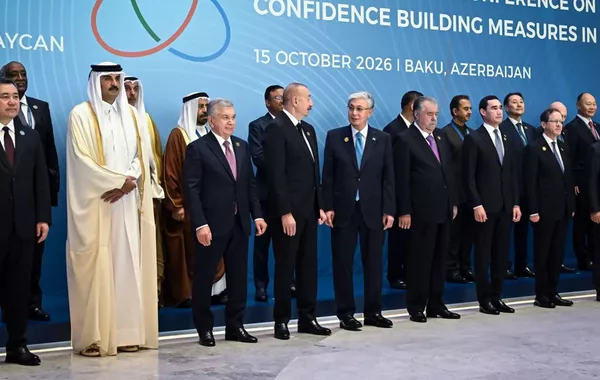
A new round of discussions between Azerbaijan and Slovakia was held in Baku on the sidelines of the 2nd Azerbaijan International Investment Forum. Slovak officials and representatives of state-owned gas company SPP discussed future cooperation with their Azerbaijani counterparts, including potential supplies of Azerbaijani natural gas to Slovakia.
Slovakia has previously indicated that it is considering purchasing around 1.2 billion cubic metres of Azerbaijani gas annually from 2027.
If a long-term agreement is reached, it could become an important step for both countries.
But behind the proposed volumes lies a more complicated question:
How Will Azerbaijani Gas Physically Reach Slovakia?
That issue could ultimately determine the future of the project.
photo: getty images
Slovakia is Looking for New Gas Sources
Slovakia has historically relied heavily on Russian gas and on east-west energy infrastructure.
That model is now changing.
Bratislava is seeking to diversify both its suppliers and transportation routes, reducing exposure to any single source or corridor.
In May, Slovak Deputy Prime Minister and Environment Minister Tomáš Taraba said Slovakia was discussing a gas contract with Azerbaijan lasting at least 10 years.
At the same time, the Slovak side has openly identified transportation as one of the main challenges.
The question is therefore not simply whether Slovakia wants Azerbaijani gas.
The bigger question is whether it can be delivered to Central Europe at competitive and reliable conditions.
Azerbaijan Already Has a European Gas Corridor
Baku is not starting from scratch.
Azerbaijan already has functioning infrastructure connecting Caspian gas resources with European consumers.
The Southern Gas Corridor, consisting of the expanded South Caucasus Pipeline, TANAP and TAP, has been delivering Azerbaijani gas to Europe since 2020.
Initially, the main markets included Türkiye, Greece, Bulgaria and Italy. The geography of Azerbaijani gas exports has since continued to expand.
The European Commission says Azerbaijan supplied gas to 14 countries in 2025, including eight EU member states. Azerbaijani gas also began reaching Germany and Austria in January 2026.
Slovakia, therefore, would not represent an entirely new direction for Azerbaijani gas.
Rather, it would mark another stage in the expansion of Azerbaijani supplies deeper into Central Europe.
The Route is the Real Issue
The most interesting part of the potential deal is the transportation route.
Azerbaijani gas does not necessarily need to travel through a dedicated pipeline running directly from Azerbaijan to Slovakia.
A more realistic option could involve existing European gas infrastructure.
Under such a model, Azerbaijani gas would enter Europe through the Southern Gas Corridor and then move north through interconnected pipelines and regional gas hubs.
This is increasingly important as the European gas market becomes more interconnected.
The future of European gas supply will depend not only on individual pipelines between two countries, but also on the ability of national gas networks to function as a wider integrated system.
If that infrastructure becomes sufficiently interconnected, Azerbaijani gas could gradually move from Southern Europe towards Central European markets.
The First Deliveries Have Already Taken Place
Another important point is that cooperation between SOCAR and Slovakia's SPP already has a practical foundation.
In December 2024, SOCAR supplied natural gas to SPP under a pilot short-term arrangement.
In June 2026, SPP CEO Martin Huska said the pilot contract had demonstrated the readiness of the two companies to cooperate on longer-term supplies.
This makes the current negotiations different from a completely new commercial project.
Baku and Bratislava have already tested the model.
The next question is whether that experience can be transformed into a long-term agreement.
Why Slovakia is Interested in Azerbaijani Gas
For Bratislava, Azerbaijani gas is one element of a broader diversification strategy.
Slovakia is also exploring other sources.
In September, Slovak Economy Minister Denisa Saková said SPP was negotiating with Algeria's Sonatrach over potential supplies of up to 1 billion cubic metres of gas per year.
This shows that Bratislava is not simply trying to replace one dependency with another.
Its objective is to create a broader portfolio of suppliers and routes.
Azerbaijan would therefore become one component of Slovakia's emerging energy mix.
For Baku, this is also significant: the long-term value of the Slovak market will depend not only on the volume of gas sold, but also on the reliability and competitiveness of the route.
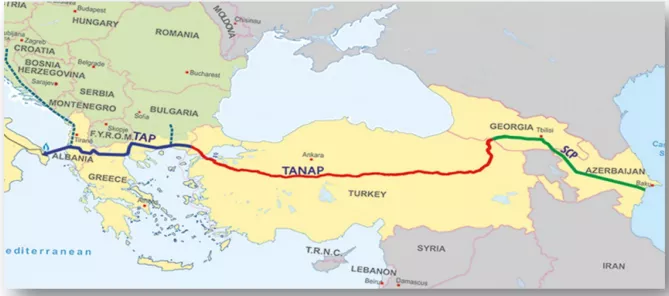
photo: minenergy.com.az
What Azerbaijan Stands to Gain
For Baku, a potential agreement with Slovakia has a wider strategic dimension.
Azerbaijan has spent years expanding its position as a natural gas supplier to Europe.
The Southern Gas Corridor was developed to connect Caspian resources with European consumers.
The next stage is increasingly about expanding the geography of Azerbaijani exports within Europe itself.
Slovakia is important in this context because it would give Azerbaijani gas access to another Central European market.
Even if 1.2 billion cubic metres per year does not represent a dominant share of Slovakia's total gas consumption, it could still have significant commercial and strategic value for SOCAR.
Why a 10-Year Contract Matters
The potential duration of the agreement is particularly important.
The Slovak side has discussed a contract lasting at least 10 years.
For Bratislava, such an agreement could provide greater visibility over future supplies.
For SOCAR, it would provide a predictable European market for an extended period.
But long-term contracts also require confidence in the future structure of Europe's energy market.
Europe is simultaneously expanding renewable energy, electrification and energy efficiency while reducing its exposure to traditional fossil-fuel supplies.
At the same time, natural gas continues to play an important role in industry, power generation and balancing energy systems.
Any long-term agreement therefore needs to reflect a changing demand environment.
For both sides, the challenge will be finding the right balance between long-term security and commercial flexibility.
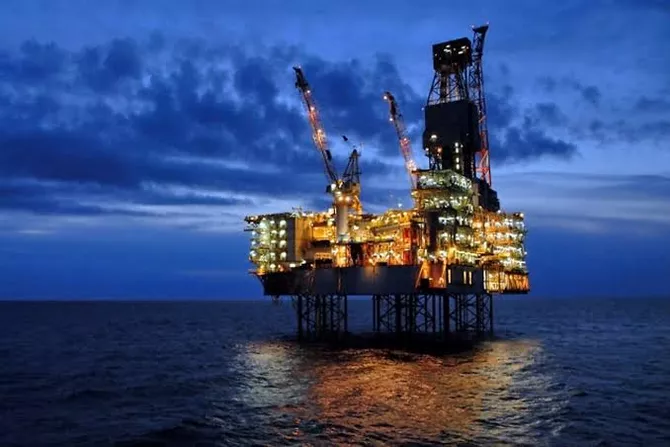
photo: getty images
Azerbaijan's Biggest Advantage
One of Azerbaijan's biggest advantages is that Europe no longer needs to be convinced that Azerbaijani gas can reach the continent.
It already does.
Gas from the Shah Deniz field has been flowing to Europe through the Southern Gas Corridor for years.
The challenge is therefore no longer proving the concept.
It is expanding existing infrastructure and connecting it more effectively with Central European gas networks.
This is where Slovakia becomes particularly interesting.
If Azerbaijani gas can reliably move through existing and upgraded European networks, the Southern Gas Corridor could gradually evolve from a route serving mainly Southern European markets into a component of a broader European gas system.
This is Bigger Than Azerbaijan and Slovakia
The negotiations have implications well beyond bilateral relations.
Europe's gas market is undergoing a major transformation.
Traditional supply routes have changed.
LNG imports are playing a larger role.
Gas networks are becoming increasingly interconnected.
And countries that once relied heavily on a single supplier are building more diversified portfolios.
Azerbaijan occupies a distinctive position in this changing landscape.
It has substantial gas resources, an established export corridor to Europe and a geographical position connecting the Caspian region with European markets.
The Slovakia talks are therefore part of a much broader process.
They are about gradually integrating Azerbaijani gas more deeply into the European market.
The Real Test Will Be Implementation
It is important, however, to distinguish between political interest, commercial negotiations and a signed long-term supply agreement.
The two sides are holding talks, Slovakia has publicly expressed interest in Azerbaijani gas, and potential annual supplies of around 1.2 billion cubic metres have been discussed.
But the final outcome will depend on several factors:
· pricing and commercial terms;
· available gas volumes;
· transportation capacity;
· the route used to deliver the gas;
· development of regional interconnectors;
· and long-term European gas demand.
Infrastructure remains one of the central questions.
The issue is not simply whether Azerbaijan can sell gas to Slovakia.
It is whether that gas can reach Central Europe reliably and competitively.
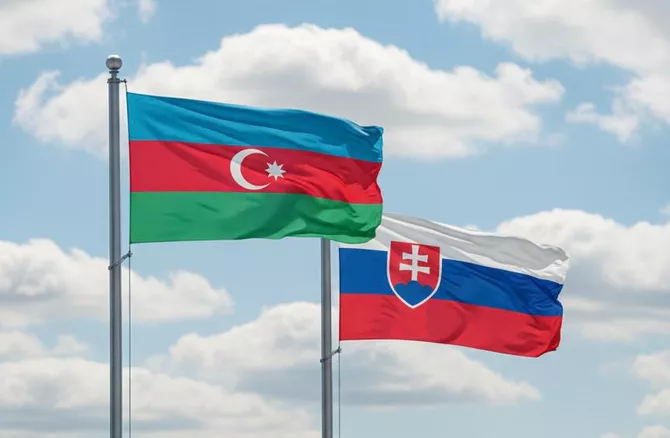
photo: getty images
A New Chapter for Azerbaijani Gas in Europe
The Azerbaijan-Slovakia talks are therefore about much more than a potential gas contract.
For Slovakia, Azerbaijani gas could become another component of a diversified supply portfolio.
For Azerbaijan, Slovakia could become another destination for its expanding European gas exports.
For Europe, greater access to Azerbaijani supplies could contribute to the broader diversification of energy sources and routes.
But the most important question is no longer simply whether Baku and Bratislava will sign a contract.
The bigger question is whether Europe's gas infrastructure can support the efficient movement of Azerbaijani gas from Southern Europe into Central Europe.
If it can, the significance of a potential 1.2 billion cubic metre annual supply could go far beyond the volume itself.
It could mark another step in Azerbaijan's transformation from a regional gas producer into a long-term supplier integrated into Europe's broader energy system.
By Anar Musayev