Amid shifting geopolitical currents and mounting economic pressures, Central Asia is charting a course defined by resilience and reform. In his latest piece for the Atlantic Council, Associate Director of the Eurasia Center Andrew D’Anieri explores how Kazakhstan and Kyrgyzstan are navigating uncertainty while pursuing ambitious political and economic transformations. Titled “Dispatch from Central Asia: Dynamism Amid Uncertainty in Kazakhstan and Kyrgyzstan,” the article highlights the region’s evolving strategic role, reform momentum, and the balancing act between domestic change and external pressures.
Earlier this month, while Washington, DC, was enduring its most frigid two weeks in decades, D’Anieri traveled to Astana, Kazakhstan, where bone-chilling temperatures are the norm this time of year. This was his first stop on the way to the B5+1 Forum in Bishkek, Kyrgyzstan, the business counterpart to the C5+1 diplomatic platform that most recently convened leaders from the five Central Asian states in Washington in November, The Caspian Post republishes the article.
Increasing contact between Central Asian citizens, governments, and businesses in the past couple of years has resulted in dynamism unprecedented in the five countries’ modern histories. That buzz is being matched internationally, as Central Asia’s geopolitical importance grows as a hub for trade and critical minerals. That has created opportunities but also spiked uncertainty as the region grapples with this newfound attention.
Kazakhstan: A greater role on the geopolitical stage
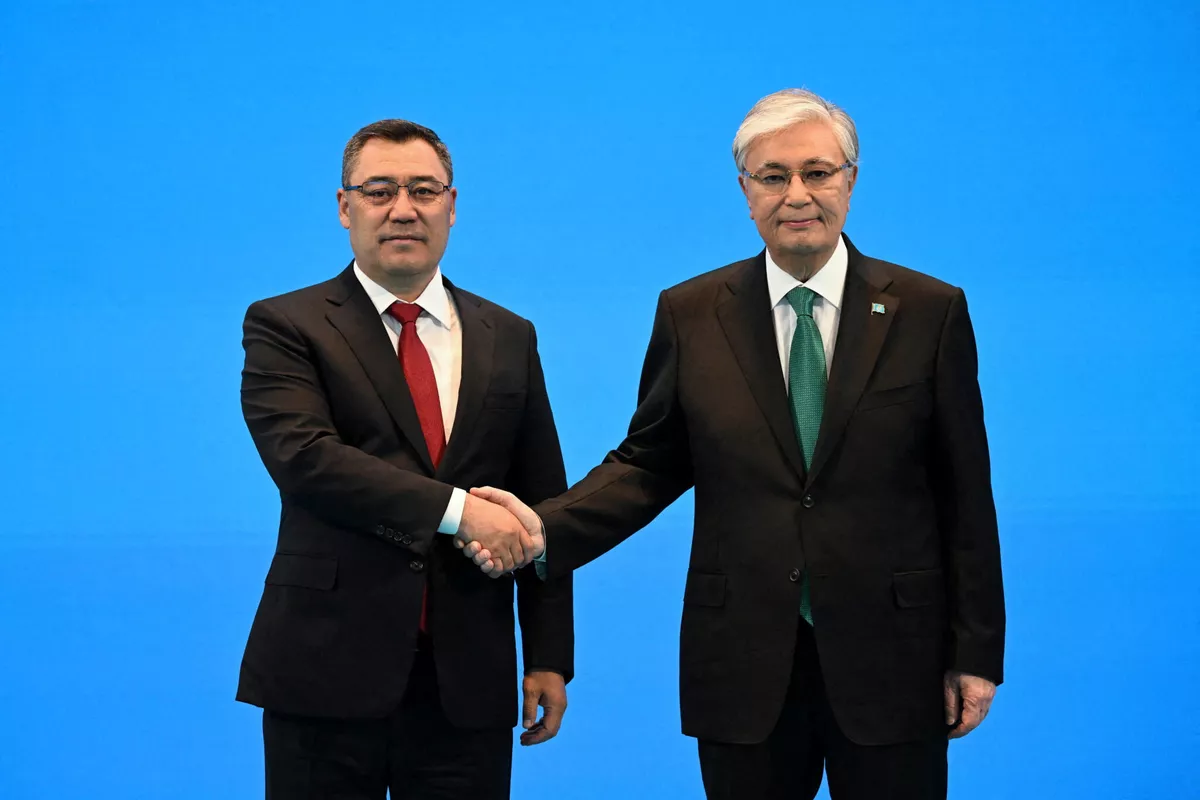
Both abroad and at home, Kazakh President Kassym-Jomart Tokayev is moving with urgency and ambition. Several of his administration’s moves are already raising Kazakhstan’s profile on the global stage.
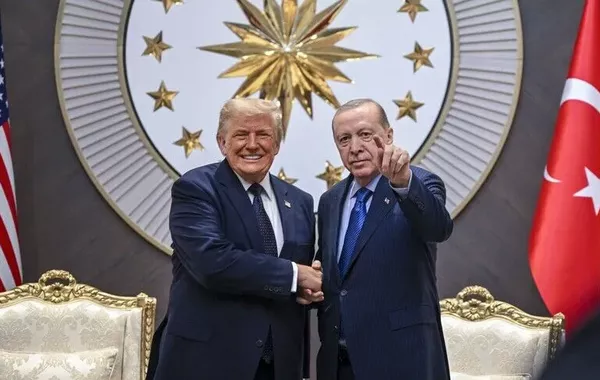
Since November 2025, Tokayev has announced the country’s intention to join the Abraham Accords, signed onto US President Donald Trump’s Board of Peace, and received an invitation to participate in the 2026 Group of Twenty (G20) summit in Miami. Kazakhstan also signed a $1.1 billion mining deal with a US firm. This active engagement with the United States prompted additional diplomatic attention from Russia and China, Kazakhstan’s two largest neighbors. Russian President Vladimir Putin gave Tokayev a lavish reception on the back of the Kazakh president’s November trip to Washington, suggesting that the Kremlin wanted to show that it, too, assigns great importance to its relations with Astana.
While it’s nice to be wanted on the world stage, the Kazakh government faces sticky challenges at home. Inflation continues to run above 12 percent. Prolonged outages at Kazakhstan’s main oil export hub have eaten into state revenues. And many analysts see the country’s economic growth slowing in the next few years. At the same time, Tokayev has proposed a new constitution that, among other changes, will condense the bicameral legislature into a unicameral body and institute a vice-presidential position, a rarity among personalized Central Asian governments.
A national referendum on the changes is now scheduled for March 15. That rushed timeline has raised fears among some observers that Tokayev could use what he has described as “a complete reboot” of the current constitution-which was only updated in 2022-to extend his term as president. While the new changes do not mention the presidential term specifically, few of the experts and media people he spoke with in Astana could explain exactly why these changes were necessary. More optimistic experts, however, see the proposed changes as a means of trimming a bloated state that would allow Kazakhstan to pursue its sovereign interests more efficiently.
Despite some economic and political uncertainty, Kazakhstan is clearly open for business. Small- and medium-sized enterprises, especially tech companies, have been allowed room to grow and partner with international firms. From conversations in Astana and in Washington, the government appears to be doing an effective job of engaging potential investors in new projects, mainly in the mining, energy, and transport sectors. The next challenge will be to see if it can expand this investment to other industries.
Kyrgyzstan: The challenge of attracting investment
Then it was off to Bishkek for the B5+1 Forum. The organizers of the event-the Center for International Private Enterprise-billed the conference as a “public-private dialogue between Central Asian and American businesses and governments,” essentially a feedback loop for the private sector and government agencies to address business environment challenges.
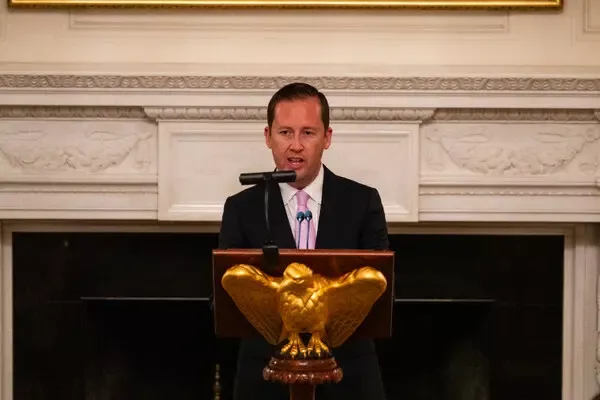
photo: New York Times
Ambassador Sergio Gor, Trump’s point man for Central Asia, led the US government delegation to Bishkek, underlining Washington’s newly energetic approach to engaging Central Asia. In his remarks, Gor emphasized US support for regional connectivity and “win-win” deals, before departing to advocate for US companies in meetings with Kyrgyz President Sadyr Japarov and foreign ministry officials.
Back at the conference, it was clear that Kyrgyz officials were looking to make the case for greater economic engagement from the United States. But the cautious tone and tenor of their remarks belied the twin insecurities of government officials: uncertainty about how to advocate for their country’s interests to an international audience and wariness of overstepping the bounds of their state duties.
In fairness, Kyrgyzstan has not had much practice attracting Western investment. While its northern neighbor Kazakhstan negotiated oil deals with Western majors in the 1990s, Kyrgyzstan was largely handed financial and infrastructure grants in the 2000s in exchange for US military basing rights as US forces fought in Afghanistan. In the decades that followed, the country used its status as the “island of democracy” in a region of tightly managed regimes to attract US attention and government funding. That dynamic began to take hits with serious domestic upheavals in the late 2000s and collapsed in 2020, when a disputed parliamentary election led to mass unrest. In the turmoil, Japarov, who had been convicted of orchestrating the kidnapping of a provincial governor, was busted out of prison by his supporters and in January 2021, won a snap presidential election. Since Japarov came to power, Kyrgyzstan’s political processes have become more tightly managed and pressure on civil society has grown.
This political consolidation has affected the country’s ability to attract investment. Take the critical minerals industry, for example: Foreign companies are now required by law to give the state-owned mining enterprise a 30 percent stake in any new projects and investors cannot buy land, only rent it.
In theory, the Japarov government instituted these measures to ensure that the Kyrgyz people benefited from mining profits. In practice, however, Kyrgyz and international entrepreneurs he spoke with say these policies degrade the quality of investors willing to do business in the country. Smaller outfits desperate for a mining license may agree to such terms, but major mining companies will simply look for a better deal elsewhere.
Japarov’s grip appeared to tighten further in the week following my visit when he abruptly fired security services chief Kamchybek Tashiyev-widely seen as the country’s unofficial co-president-along with a slew of his deputies. Tashiyev is widely seen as a patron of Kyrgyzstan’s south, while Japarov is a northerner; the dramatic purge may be a move to wipe away the carefully balanced regional split that had held the Japarov government together.
But as in Kazakhstan, Kyrgyzstan’s private sector offers reason for optimism. Tech incubators and e-residency programs have succeeded in both growing indigenous information technology startups and attracting international firms. As panelists at the forum noted, agricultural business associations are piloting logistics regimes aiming to sell organic produce in the United States and Europe. And an international machinery retailer with regional offices is helping to bring top Western brands to farmers and construction firms.
Opportunities for the United States
The US government appears to have settled on a sound two-track approach to Central Asia based on commercial engagement. The first track focuses on promoting US businesses in the region through direct investments, joint ventures, local retail, and exports. This is the task of Gor and high-level figures in the Trump administration. The deals they seek can be made easier by loosening requirements for the Development Finance Corporation and Export-Import Bank to support large-scale projects, which are often strategic ventures such as mining and transport that can use government backing to buy down risks.
The second track is engagement with and technocratic support for the Central Asian business community through initiatives such as the B5+1. Facilitating constructive business-to-government contacts can help increase capacity in both the private and public sectors and lead to common sense reforms with widespread buy-in. This dynamic is crucial for Central Asian governments seeking social stability, businesses seeking regulatory certainty, and Western partners seeking long-term regional growth.
But one element missing from the US strategy is policy consistency. Several of the business leaders and officials he spoke with in both capitals cited two hurdles to more meaningful engagement with Washington: shifting US visa restrictions and requirements and the persistence of the Jackson-Vanik amendment, which prevents normal trade relations with the Central Asian states.
If the Trump administration and Congress can iron out these issues, it will go a long way toward building a more energetic and coherent Central Asia strategy that advances US interests in the region. Turning genuine US interest in Central Asia into mutually beneficial projects will take effort and flexibility from governments and businesses alike. Fortunately, his week in Astana and Bishkek demonstrated that there is enough enthusiasm and business activity on both sides to keep momentum going.