The appointment of Mehrdad Akhlaghi Ketabchi as Iran’s Minister of Defence and Armed Forces Logistics is an important signal of Tehran’s priorities amid continuing military and political tensions. The position had remained vacant for more than seven months following the death of the previous defence minister, General Aziz Nasirzadeh, in February 2026.
On October 18, Iran’s parliament approved Akhlaghi’s nomination by a decisive margin: 237 lawmakers voted in favour and 15 against. President Masoud Pezeshkian described the vote as a “loud and effective message to the world,” reflecting unity between the government and parliament as well as the country’s determination to support its armed forces.
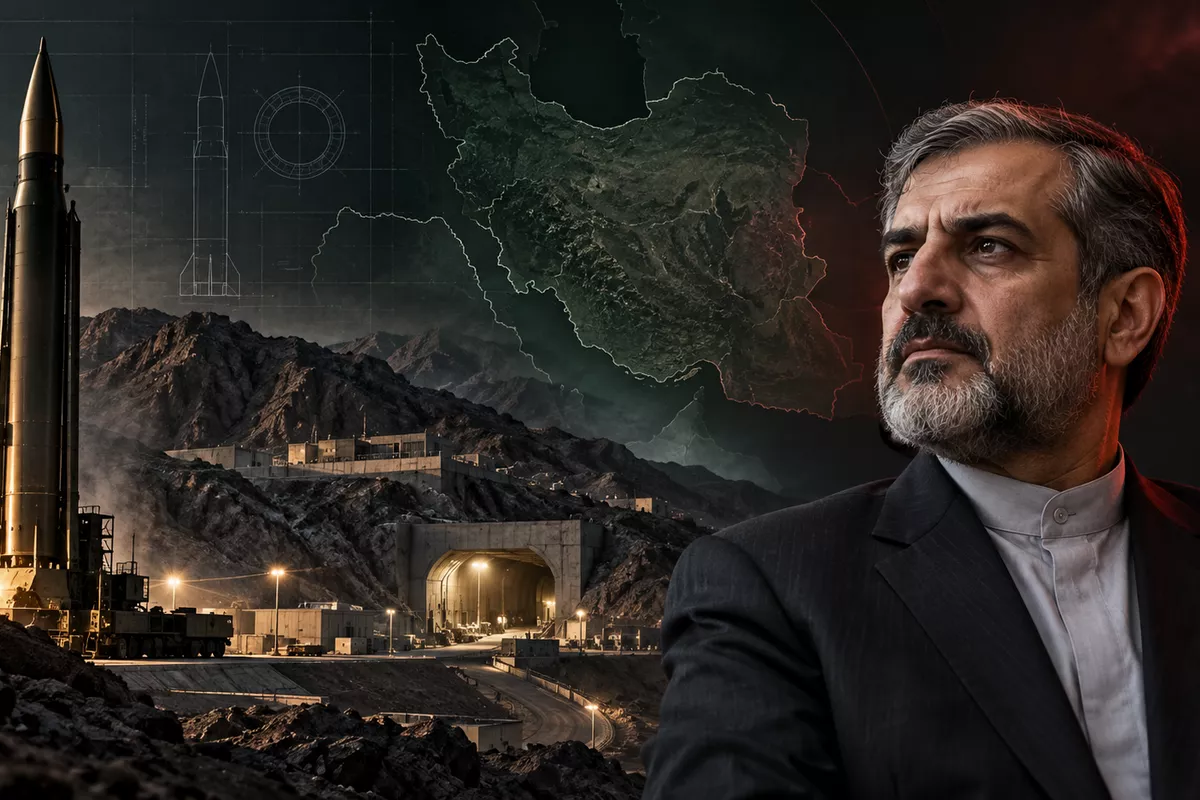
Yet the significance of the appointment goes far beyond filling a vacant cabinet post. Akhlaghi is neither a battlefield commander nor a conventional public politician. He is a defence industry technocrat associated with missile programmes, aerospace technologies and Iran’s highly secretive military-industrial sector.
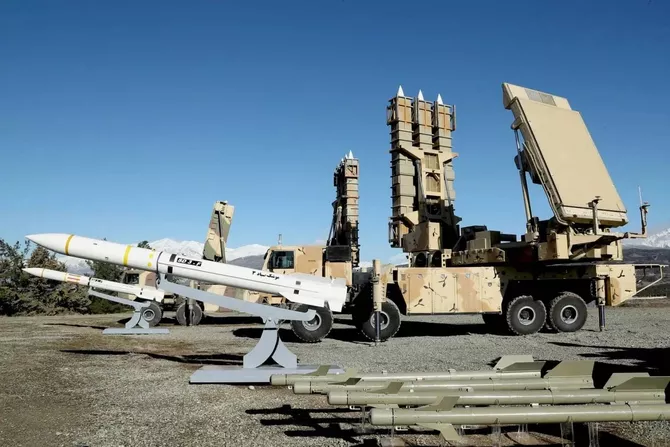
photo: getty images
A Figure from Iran’s Closed Defence Sector
Until recently, Mehrdad Akhlaghi was barely visible in the public sphere. Open sources contained very limited biographical information, while Iranian media reportedly published his photograph for the first time only on October 12. This lack of public visibility is hardly accidental: much of his career has been linked to the most sensitive areas of Iran’s defence policy.
Akhlaghi was born in September 1958 in Rasht, the capital of Iran’s northern Gilan province. Iranian sources report that he graduated in chemical engineering from Amirkabir University of Technology and later earned a degree in strategic management from Malek Ashtar University of Technology.
He has spent more than four decades in the defence sector. His most recent position was executive director of Iran’s Defence Industries Organization, a body responsible for weapons production, technological development, the management of defence enterprises and the supply of military equipment to the armed forces.
Previously, Akhlaghi headed the Aerospace Industries Organization, an institution central to Iran’s missile and aerospace sector. The organization oversees industrial structures involved in the development and production of missile systems.
His appointment therefore suggests that Tehran is placing at the head of the ministry a figure expected not merely to manage the bureaucracy, but to restore, expand and technologically modernize Iran’s defence-industrial base.
Links to Iran’s Missile and Nuclear Programmes
Akhlaghi’s name began appearing in international documents related to Iran’s missile programme in the mid-2000s. At the time, he headed the Shahid Bagheri Industrial Group, one of the key entities associated with Iran’s missile industry.
In 2007, the UN Security Council added him to its sanctions list in connection with this role. The US Treasury Department imposed sanctions on him the same year. The European Union and the United Kingdom have also applied restrictive measures, including asset freezes, travel bans and limitations on management activities.
The Shahid Bagheri Industrial Group has been identified by Western governments as a key component of Iran’s ballistic missile infrastructure. EU documents describe it as an organization involved in the development and production of solid-propellant ballistic missiles.
According to some reports, Akhlaghi also worked in the secretive SPND organization, which has been linked to research in advanced defence technologies and to the alleged military dimension of Iran’s nuclear programme. He is said to have worked alongside Mohsen Fakhrizadeh, a physicist and defence official widely described in Iran as a central figure in the country’s nuclear programme. Fakhrizadeh was killed in 2020 in an operation for which Tehran blamed Israel.
Iranian outlets, including the IRGC-linked Tasnim agency, have emphasized that Akhlaghi’s professional profile combines research, design and industrial production. He has been credited with contributions to the development of the Sejjil, Kheybar, Zolfaghar, Almas and Fateh-110 missile systems, as well as the Yasin precision-guided bomb.
While some of these claims cannot be independently verified, Akhlaghi’s overall profile is clear: his core expertise lies in ballistic missiles, solid-fuel propulsion, aerospace technology and the organization of military production under sanctions.
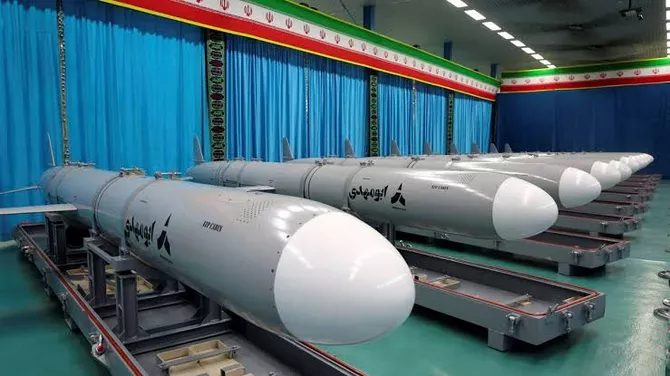
photo: getty images
Missiles, Mountain Factories and New Technologies
During parliamentary hearings, Akhlaghi outlined 16 priorities for his ministry. These include restructuring the Defence Ministry, rebuilding industrial infrastructure, introducing new technologies and expanding the role of knowledge-based companies in defence contracts.
The central focus of his programme will be the expansion of weapons production and a reduction in development timelines. According to Akhlaghi, the ministry will seek to create new products whose technologies can be developed and brought into production within no more than six months.
Special attention will be paid to Iran’s missile programme, including improving missile accuracy, range and technological resilience. Iranian media have interpreted these remarks as an indication that Tehran intends to continue expanding its strategic capabilities, including long-range missile technologies.
Equally revealing is Akhlaghi’s approach to the location of defence facilities. He stated that new factories would not be built at previous sites. Instead, production facilities are expected to be moved to mountainous and more secure areas. This decision appears directly linked to wartime experience and the vulnerability of defence infrastructure to external strikes.
Some products that do not fall into highly classified categories may be outsourced to civilian or external industrial enterprises. Highly sensitive systems and critical technological processes, however, are expected to remain within the protected production network of the Defence Ministry.
Perhaps Akhlaghi’s most ambitious statement was his announcement that an Iranian-made heavy fighter jet is expected to make its first flight next year. Delivering such a project would be a serious test for Iran’s defence industry, particularly given international sanctions, technological constraints and the impact of recent military hostilities.
Supporting the Armed Forces
Akhlaghi’s programme also includes a social component. He said that 100,000 housing units are expected to be delivered to military personnel this year. Improving healthcare, living standards and social support for both active personnel and military retirees has been presented as a priority on par with weapons modernisation.
This is not merely a social policy issue. In a period of extended regional tension, losses and economic pressure, maintaining the morale and loyalty of the security apparatus is a strategic task for the Iranian leadership.
Akhlaghi also pointed to the use of land and assets belonging to the armed forces as a potential source of funding. This indicates that Tehran is searching for internal resources at a time when its external financial and technological options remain restricted by sanctions.
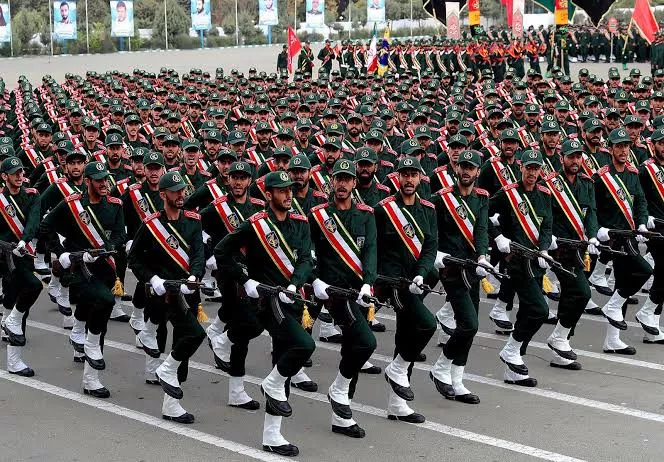
photo: getty images
The Regional Agenda and the IRGC’s Role
In his early statements, Akhlaghi focused not only on national defence. He stressed the need to strengthen the so-called “Axis of Resistance” - Tehran’s network of regional partners and allied armed groups.
The new minister also set out a broader political objective: pushing the United States out of the region. Commenting on the possibility of another US attack on Iran, Akhlaghi said Washington was unlikely to dare to take such a step, warning that both the United States and its regional allies would face serious consequences in the event of an attack.
This rhetoric suggests that the new defence minister will operate within Tehran’s traditional deterrence strategy: strengthening missile capabilities, improving the security of military infrastructure, expanding domestic production and supporting Iran’s regional network of allies.
At the same time, operational military command is likely to remain increasingly concentrated in the hands of the Islamic Revolutionary Guard Corps. Under Akhlaghi, the Defence Ministry may further consolidate its role as an industrial, technological and logistical hub providing the regular armed forces and the IRGC with weapons, production capacity and new systems.
What It Means for the South Caucasus
Akhlaghi’s appointment does not automatically translate into an immediate increase in Iran’s military power. The outcome will depend on funding, access to technology, the ability to repair damaged production facilities and the degree of coordination between political leaders, the regular military and the IRGC.
Still, the choice itself is significant. Iran appears determined to compensate for the consequences of war not only through political messaging, but through an accelerated modernization of its defence industry. Missiles, protected infrastructure, domestic production and technological self-sufficiency are likely to stand at the centre of this strategy.
For Azerbaijan and the wider South Caucasus, this has direct relevance. The recovery of Iran’s defence-industrial sector, the development of its missile programme and Tehran’s regional posture can all affect the broader security environment. The first practical steps taken by the new minister - from decisions on defence facilities to the implementation of missile and aviation projects - will therefore deserve close attention.
By Anar Musayev