The parliamentary elections held in Armenia are important not only for shaping the country’s domestic political agenda but also for the prospects of peace and security in the region. At a time when discussions on the normalization of Azerbaijan-Armenia relations, the signing of a peace agreement, the opening of communications, and the Zangezur Corridor are ongoing, the election results are being closely watched.
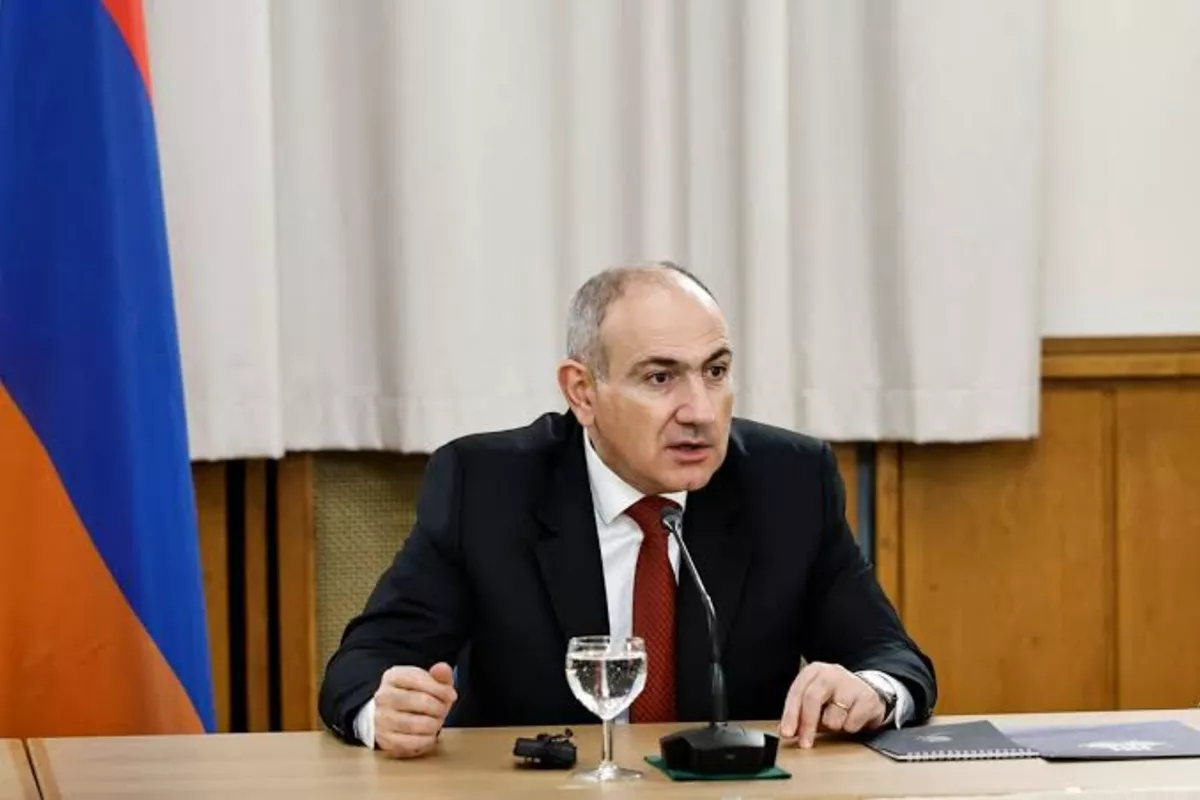
Prime Minister Nikol Pashinyan’s retention of power is viewed as the beginning of a new phase in terms of implementing the commitments Yerevan has undertaken so far. But how could the election results affect the peace process, what steps await the parties going forward, and how will the new political reality in the region take shape?
To find answers to these questions, The Caspian Post discussed the issue with political analyst Zaur Mammadov, Associate Professor at the Academy of Public Administration under the President of Azerbaijan and Chairman of the Baku Political Scientists Club.
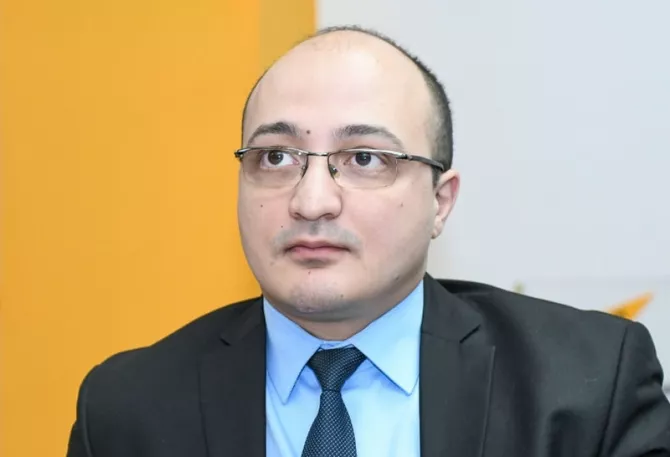
Photo: Zaur Mammadov, Associate Professor at the Academy of Public Administration under the President of Azerbaijan and Chairman of the Baku Political Scientists Club
According to Mammadov, following the elections in Armenia, attention has once again shifted to the future of Azerbaijan-Armenia relations and the next stage of the peace process in the South Caucasus.
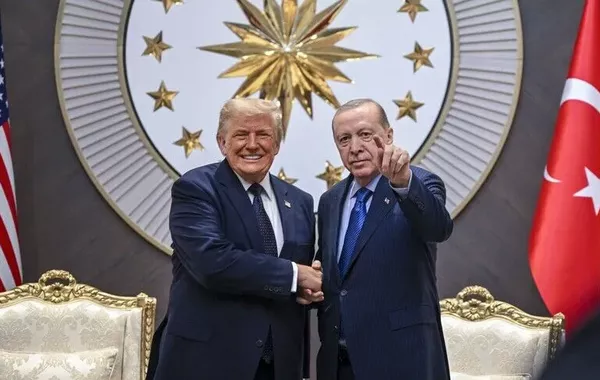
"The Armenian leadership, particularly Prime Minister Nikol Pashinyan, has undertaken several commitments towards Azerbaijan on various international platforms and in negotiations involving third parties since 2020," he said, adding that the latest such commitment was formalized during the signing of an agreement in Washington with the participation of US President Donald Trump.
Mammadov noted that, according to the agreements reached between Azerbaijan and Armenia, official Yerevan must take concrete steps to prepare society for peace. In his view, achieving sustainable peace between the two countries requires amendments to Armenia’s Constitution, the holding of a referendum, and the removal of all symbols, slogans, and other elements associated with separatism.
The political analyst emphasized that despite achieving military victory, Azerbaijan remains the most active party in promoting peace in the region.
"Baku is pursuing a consistent policy aimed at opening the Zangezur Corridor, restoring regional communications, and strengthening security and stability. In return, Armenia should abandon revanchist tendencies and pursue policies focused on the future of the region," he added.
According to the expert, Azerbaijan closely monitored political developments in Armenia following the elections, and conditions currently exist for the continuation of the peace process. He noted that the peace process is not limited solely to interstate relations but also includes the normalization of relations among civil society institutions, public organizations, and the peoples of both countries.
"Although Pashinyan’s securing of approximately 50 percent of the vote and a parliamentary majority is an important political outcome, questions remain regarding a constitutional majority and the possibility of holding a referendum," Mammadov said. "Therefore, the most appropriate approach at this stage is to continue the peace process and ensure that Armenia fulfills its commitments."
The political analyst stated that these commitments are primarily related to the opening of the Zangezur Corridor, or the transportation route referred to as the Trump Route.
"Armenia can begin implementing the agreed projects related to both railway and road transportation," Mammadov noted.
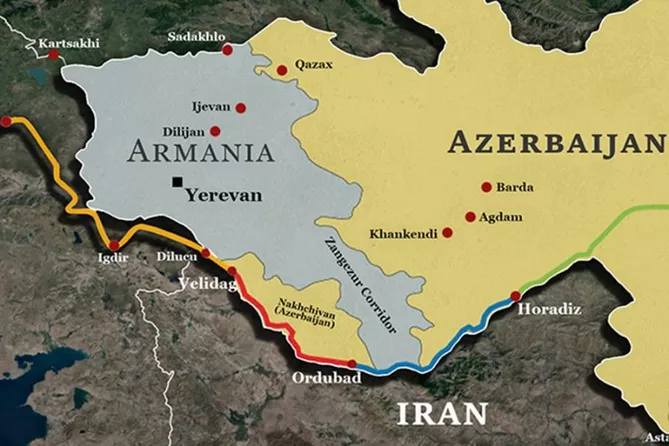
Source: APA
The expert added that while attempts by certain international actors to exert pressure on official Baku in the context of Azerbaijan-Armenia relations can be observed, regional realities must be taken into account.
"Azerbaijan is not only the victorious side but also one of the parties most interested in achieving peace," he stressed.
In Mammadov’s view, different scenarios are possible regarding the sequence in which the peace process and a peace agreement are implemented.
"In some cases, a peace agreement is signed first, followed by a peacebuilding process. In other cases, the peace process begins first, and the agreement is signed at a later stage. Both models are used in international practice," the expert noted.
The political analyst believes that the results of Armenia’s recent elections indicate that, under current conditions, the peace process could precede the signing of a peace agreement. According to him, if the ruling party lacks a constitutional majority and its ability to hold a referendum is limited, the parties may prioritize the implementation of previously reached agreements.
"Azerbaijan will continue to maintain its principled position," he stressed, adding that the main objective will be to prevent the resurgence of revanchist forces in Armenia.
"The key issue is ensuring that the peace process is not limited solely to legal documents, but that people, societies, and states are genuinely prepared for peace as well," he said.
According to the expert, the most realistic scenario at the current stage is for the parties to proceed in accordance with the previously agreed roadmap, including the opening of communications, the development of economic and trade relations, the expansion of public contacts, and, in parallel, the creation of the conditions necessary for the signing of a peace agreement.