The U.S.-Israeli strike on Iran and Tehran’s subsequent retaliatory attacks have reshaped the configuration of the Middle East crisis. However, the geographic epicenter of the consequences has not been limited to Iran itself. The monarchies of the Persian Gulf - states that for decades have built a model of maximum security, investment stability, and economic neutrality - have found themselves most exposed.
It is on their territory that key U.S. military facilities are located, automatically turning them into part of the conflict.
UAE: A Confirmed Casualty
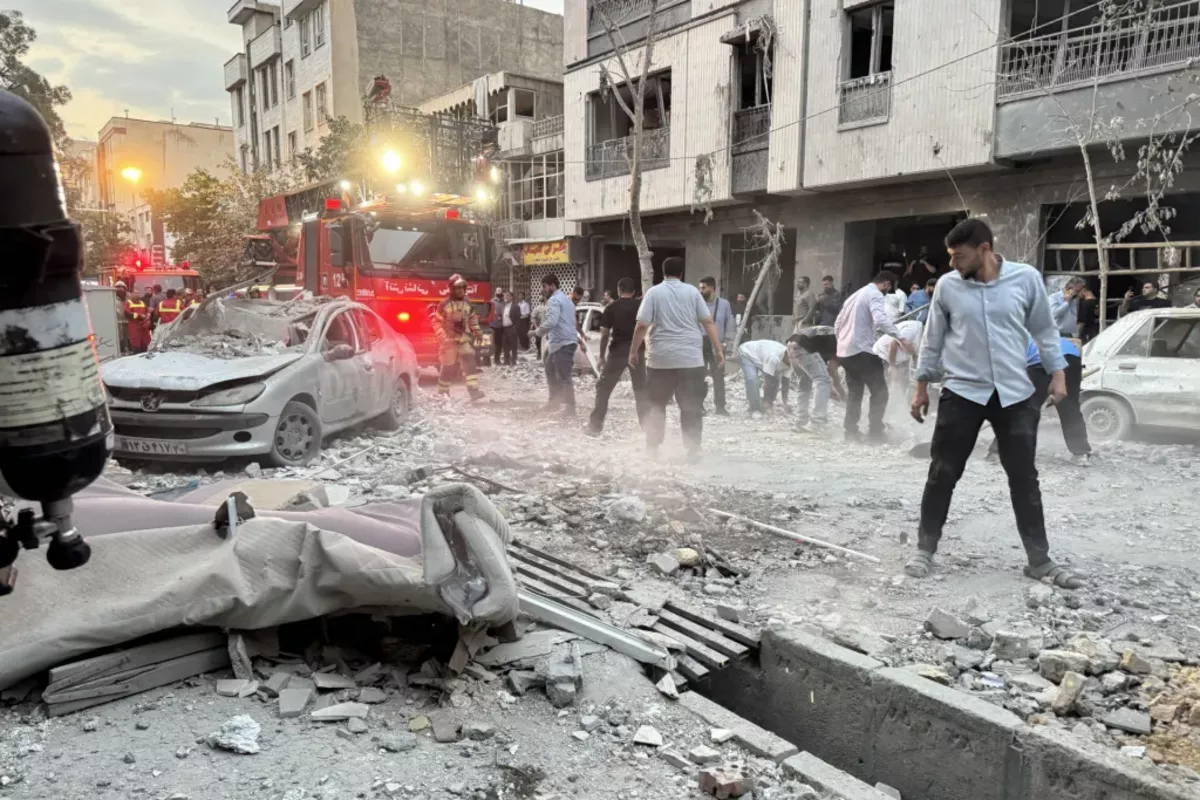
The most concrete data has emerged from the United Arab Emirates. According to Reuters, one person was killed in Abu Dhabi as a result of an Iranian missile strike on UAE territory. Authorities reported that several missiles were intercepted, yet debris or partial impacts still led to casualties.
For a country positioning itself as one of the world’s safest investment hubs, the mere fact of a fatality resulting from a regional military confrontation represents a serious reputational and political blow.
Additional consequences included disruptions to air traffic: airlines began adjusting routes, with flight cancellations and diversions around regional airspace recorded. For a global aviation hub, this translates directly into economic losses.
Bahrain: Strike on U.S. Infrastructure
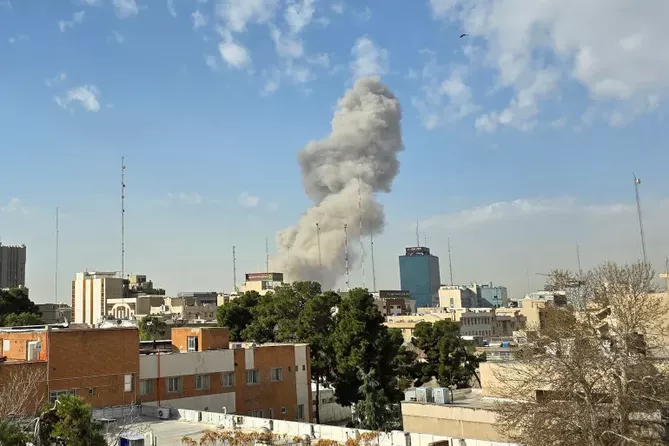
photo: economictimes
Bahrain confirmed attacks on its territory. According to Reuters, a facility linked to U.S. military infrastructure was hit - the country hosts the U.S. Navy’s Fifth Fleet.
There were no confirmed reports of casualties at the time of the initial statements. However, the very fact of a strike near American military infrastructure signals a strategic escalation.
For Manama, this is an extremely sensitive situation: Bahrain has historically balanced regional stability with its allied commitments to Washington.
Kuwait: Reports of Damage to a Base
Live updates citing AFP reported that a military facility in Kuwait was struck, with “significant damage,” including infrastructure impact and reported runway damage.
At the time of publication, there were no confirmed casualty reports. Authorities were conducting damage assessments.
Qatar: U.S. Bases Among the Targets
Iran stated that U.S. facilities in Qatar had been targeted. Official briefings emphasized the activation of air defense systems and successful interceptions. No confirmed reports of fatalities or large-scale destruction in Qatar were available in the initial coverage.
Nevertheless, the mere inclusion of the country among the targets alters its status - from “mediator and energy donor” to a potential military platform.
Economic impact: A Blow to the ‘Safe Haven’ Model
The monarchies of the Persian Gulf are not only about energy. They are:
- Major global aviation hubs
- Financial centers
- Logistics corridors
- Free capital movement zones
- Key tourism destinations
The current escalation has already triggered:
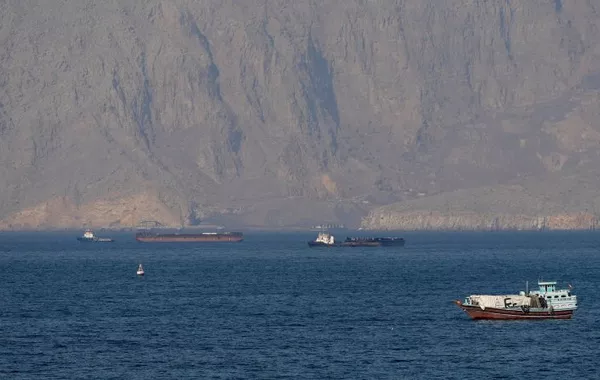
- Rising insurance premiums for maritime and air transport
- Rerouting of air traffic
- Nervousness in energy markets
- An increased geopolitical risk premium
Even without large-scale destruction, the mere threat of conflict expansion undermines the region’s investment appeal.
Political Dimension: A Challenge to Neutrality
photo: AA
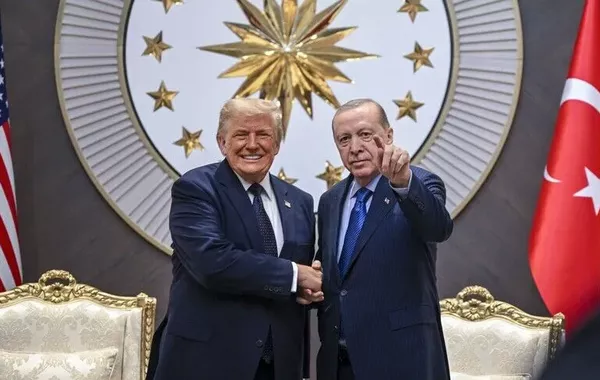
In recent years, Gulf monarchies have pursued a multi-vector strategy: dialogue with Iran, normalization with Israel, a strategic alliance with the United States, and economic cooperation with China.
Their strategy was built on risk minimization through balance.
However, the presence of American military bases makes them part of the U.S. security architecture. In the event of direct U.S.-Iran confrontation, their territory becomes the contact zone.
This creates a fundamental strategic question:
Can a state remain a neutral economic platform while simultaneously serving as a pillar of U.S. military infrastructure?
Who Has Suffered the Most?
The United States and Israel are conducting operations against Iran. Iran is retaliating against U.S. facilities in the region.
Yet the real consequences - casualties, infrastructure damage, economic risk - are borne by states that did not initiate the escalation.
The UAE already has a confirmed fatality. Bahrain and Kuwait report strikes on facilities. Regional aviation and logistics operate under heightened risk conditions.
For years, the monarchies of the Persian Gulf constructed a model of ultra-secure states. Today, that model faces a serious test.
Geopolitics often overlooks the interests of those who seek stability. Yet it is precisely these states that are now absorbing the primary economic and reputational shock.
If escalation continues, the region may begin reconsidering its entire security framework - including the degree of dependence on external military guarantors.
The Persian Gulf has not remained a distant observer of the conflict. It has become its frontier.
By Samir Muradov