What Triggered the Current Escalation?
The immediate trigger appears to be a combination of stalled diplomacy, intelligence assessments regarding Iran’s nuclear and missile capabilities, and growing Israeli concerns about what it views as a narrowing “window of opportunity” to prevent Iran from strengthening its deterrence.
In recent months, negotiations aimed at containing Iran’s nuclear program reportedly produced no tangible breakthrough. At the same time, Israeli leadership signaled that it would not allow Iran to reach a technological threshold that could dramatically shift the regional balance of power.
The arrival of U.S. military assets in the region, including advanced naval and air capabilities, further signaled that Washington was prepared to move beyond rhetorical pressure.
Is This Primarily Israel’s Operation, or a Joint U.S.-Israeli Campaign?
Israel appears to have initiated the strikes, but the scale and coordination indicate active U.S. involvement. Washington has framed its participation as defensive and preventive - aimed at protecting American personnel, regional bases, and allied governments.
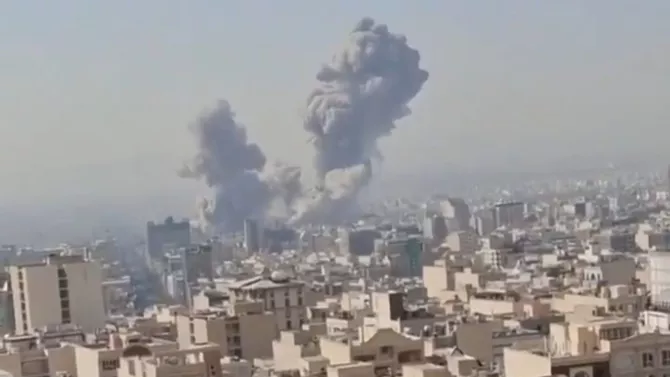
photo: AMU TV
For Israel, the logic is existential. Israeli officials have long described Iran’s nuclear and ballistic missile programs as a direct threat to the state’s survival. For the United States, the calculus is broader: deterrence credibility, alliance commitments, control over escalation, and preventing strategic shifts in the Middle East.
This is not a spontaneous strike - it reflects coordinated planning.
What are the Stated Reasons for the Attacks?
Publicly, three justifications dominate:
Preventing Iran from advancing toward nuclear weapons capability
Disrupting Iran’s ballistic missile infrastructure
Countering Iran’s regional military network and proxy forces
However, the issue extends beyond nuclear enrichment alone. The confrontation involves deeper strategic layers: dominance in the Middle East, control over key energy corridors, and maintaining geopolitical leverage.
For Washington, there is also a systemic concern: preserving the current global financial order, including the central role of the U.S. dollar in energy transactions. Any major geopolitical shift in the Gulf region directly affects that architecture.
What Targets Have Been Struck?
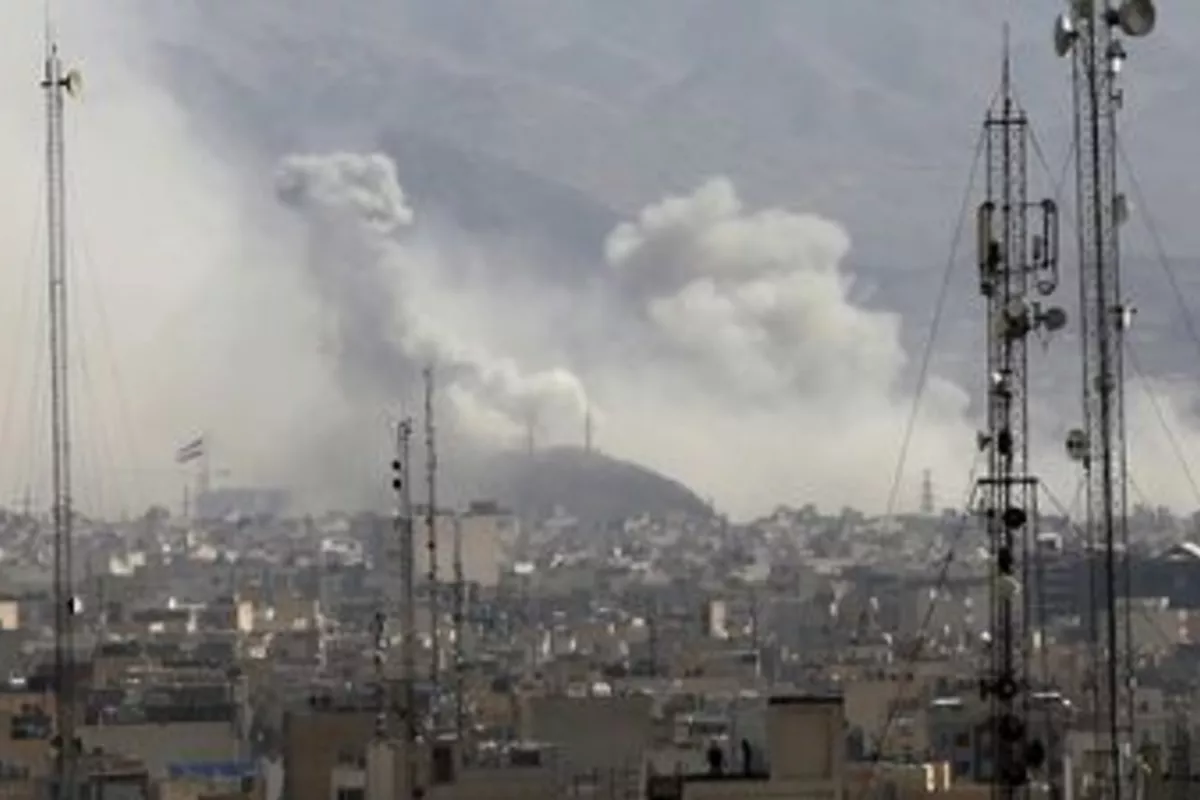
Reports indicate strikes on military facilities, missile infrastructure, command centers, and possibly strategic industrial sites linked to defense production.
Major urban centers including Tehran have reportedly experienced explosions.
However, details remain fluid, and official confirmations are limited.
The pattern suggests an attempt to degrade capabilities rather than occupy territory - this is about deterrence, not invasion.
Has Diplomacy Completely Failed?
Diplomacy did not collapse overnight. It eroded gradually.
Efforts to revive nuclear limitations ran into disagreements over:
Inspection mechanisms
Missile development restrictions
Sanctions relief sequencing
Iran’s regional military activities
From the Israeli perspective, diplomacy bought Iran time. From Tehran’s perspective, Washington demanded concessions without credible guarantees.
The strike signals that at least one side concluded negotiations had reached a dead end.
How Has Iran Responded?
Iran has retaliated with missile and drone launches targeting Israeli territory and U.S. assets in the region. Statements from Tehran frame the response as legitimate self-defense.
The scale of retaliation so far suggests a calibrated response rather than full-scale war mobilization. However, escalation dynamics in the Middle East have historically proven difficult to contain.
The Gulf monarchies, hosting U.S. bases, are now directly exposed to risk - despite not being initiators of the confrontation.
Could This Become a Regional War?
That depends on three variables:
The scale of Iranian retaliation
Whether proxy forces (Hezbollah, militias in Iraq, etc.) enter the conflict fully
Whether global powers intervene diplomatically or militarily
If escalation remains limited to strikes and counter-strikes, it may resemble previous flare-ups. If civilian casualties rise or strategic infrastructure is hit, the conflict could widen rapidly.
Energy markets are already sensitive. Any threat to Gulf stability carries global economic consequences.
Why Now, After yYears of Tension?
Timing is strategic.
Israel may have assessed that delaying action would make Iran harder to deter. The U.S. may have calculated that credibility - both toward allies and adversaries - required visible action.
Additionally, domestic political considerations in all involved countries cannot be ignored. Security crises often reshape internal political dynamics.
What Are the Broader Geopolitical Implications?
This confrontation is not just about Israel and Iran.
It touches on:
U.S. regional dominance
Gulf security architecture
Russia and China’s positioning
Energy supply stability
Global financial order
If the conflict expands, it could reshape the Middle East security structure for years.
If it is contained, it may still mark a turning point - signaling that the “shadow war” between Israel and Iran has transitioned into overt military confrontation.
What Happens Next?
Three scenarios are possible:
1. Controlled escalation followed by ceasefire
2. Prolonged cycle of strikes and counter-strikes
3. Multi-front regional conflict
The coming days will determine whether this remains a limited strategic operation or becomes a defining Middle Eastern war of the decade.