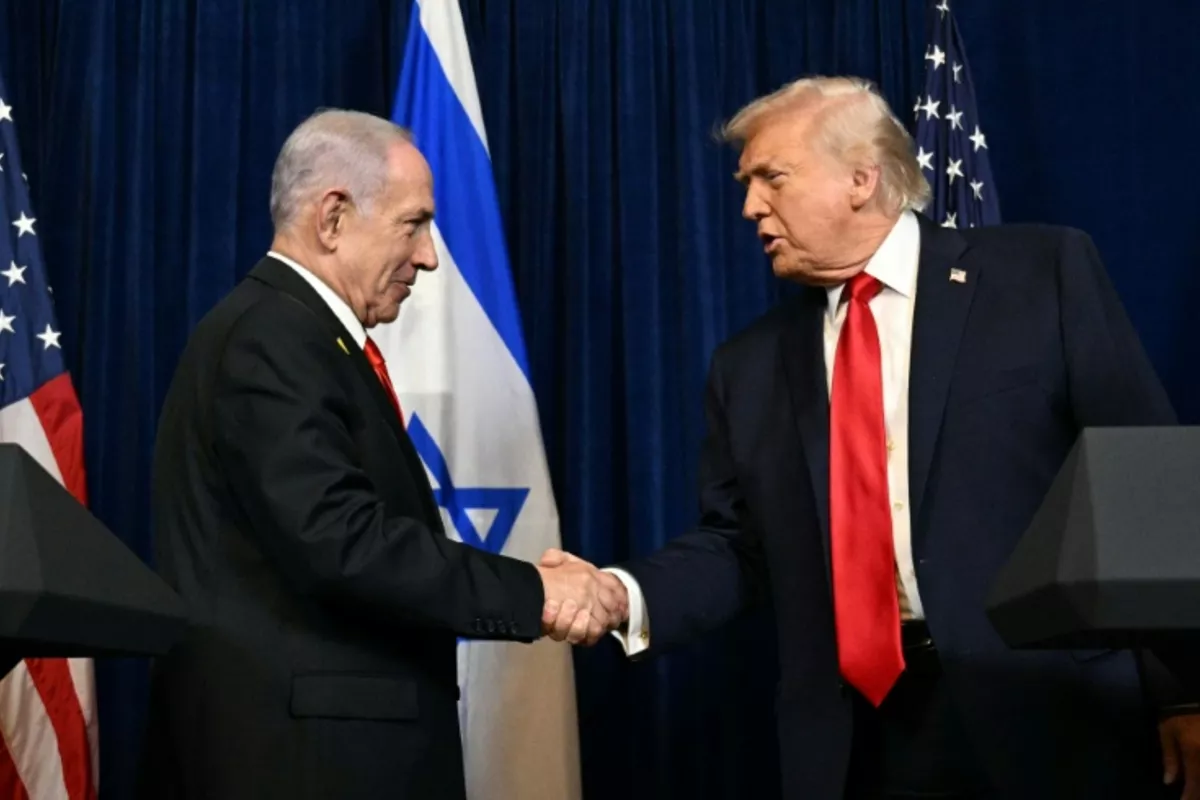
The visit of Israeli Prime Minister Benjamin Netanyahu to Washington is not a routine diplomatic stop meant merely to exchange assessments on Iran. The pace and urgency surrounding the trip suggest a more consequential objective: shaping the strategic framework of ongoing U.S.-Iran diplomacy and defining what happens if negotiations collapse.
At the center of the discussions is not whether military options will be mentioned - they almost certainly will - but whether Netanyahu can influence Donald Trump to adopt a posture in which the threat of force is tangible, immediate, and credible. For Israel, credibility is the key variable. For Trump, leverage is the priority.
The talks unfold against a backdrop of renewed diplomacy between Washington and Tehran, heightened U.S. military deployments in the region, and deep Israeli concern that the United States could settle for a limited nuclear agreement that leaves Iran’s missile arsenal and regional proxy network largely untouched.
Israel’s Hard-Line Strategy
Netanyahu’s long-standing position on Iran has remained consistent across multiple U.S. administrations: diplomacy is acceptable only if backed by pressure that Iran genuinely fears. In his view, that pressure must be more than rhetorical - it must include military readiness that Tehran believes could be activated.
However, the current situation differs from previous episodes. The U.S. has resumed negotiations with Iran while simultaneously reinforcing its military presence in the Middle East. Israel worries that Washington might accept a narrowly defined nuclear deal - one that restricts enrichment but avoids more contentious issues like ballistic missiles or Iran’s network of regional armed groups.
For Israel, that scenario is problematic. Iranian-backed forces in Lebanon, Syria, Iraq, and elsewhere are viewed in Jerusalem as direct strategic threats. A deal that freezes uranium enrichment while leaving delivery systems and proxy structures intact would, from Netanyahu’s perspective, reduce immediate nuclear risk but entrench Iran’s regional power.
This does not mean Netanyahu is expected to demand “war now.” Rather, he is likely to advocate for what might be called escalation readiness: clearer red lines, visible military deployments, and tightly conditioned sanctions relief. The objective would be to make negotiations more difficult for Iran - and to narrow the margin for a quick, limited agreement that Trump could declare a success.
The distinction is subtle but important. Netanyahu’s leverage increases when diplomacy unfolds under the shadow of force. He benefits less from immediate escalation than from ensuring that the possibility of force remains a live and credible factor.
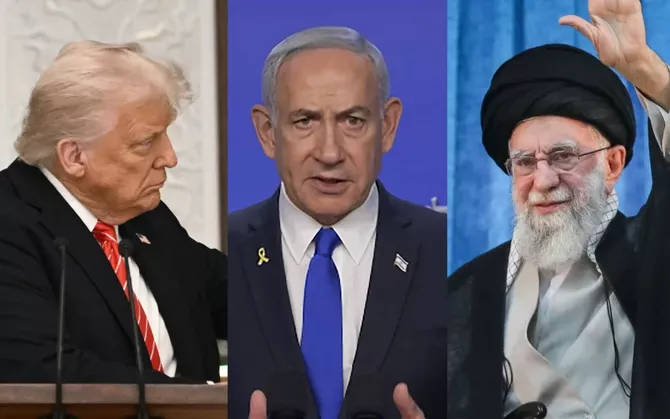
Photo: Getty Images
Trump’s Leverage Dilemma
President Trump’s approach to Iran blends pressure with deal-making instincts. Publicly, he has framed his objective in broad terms: Iran must not acquire nuclear weapons, and its missile capabilities should be addressed. At the same time, Trump has repeatedly emphasized his willingness to negotiate - provided that Tehran makes meaningful concessions.
Reports surrounding the visit indicate that Trump has considered strengthening U.S. military posture in the region, including discussion of additional naval deployments. Such measures serve dual purposes. They send a message to Iran that negotiations are not occurring in a vacuum, and they reassure Israel that Washington is prepared to escalate if talks fail.
Yet Trump faces an inherent tension. Strong military signaling can create leverage, but it can also narrow diplomatic flexibility. The more visible the buildup, the more credibility becomes tied to follow-through. If negotiations stall, the White House may confront a decision between backing down or escalating - neither of which is politically simple.
Trump’s political instinct often favors outcomes he can characterize as decisive and stronger than previous agreements. A narrowly tailored nuclear deal could fit that template, particularly if framed as tougher and more enforceable than prior arrangements. Netanyahu, however, is likely to argue that narrow deals risk postponing rather than resolving the broader strategic challenge.
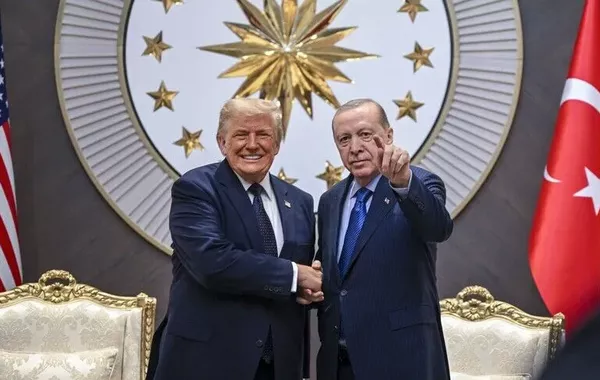
Iran, for its part, has sought to exploit potential divergence between Washington and Jerusalem. Iranian officials have suggested that Israeli pressure could derail negotiations, implicitly encouraging the United States to keep the agenda limited. That dynamic adds urgency to Netanyahu’s visit: alignment now may prevent strategic drift later.
Nuclear Deal vs. Broader Demands
At the heart of the discussions lies a definitional dispute about what constitutes a successful agreement.
From Israel’s perspective, success means not only blocking Iran’s pathway to a nuclear weapon but also curbing delivery systems and regional coercive capabilities. The concern is that enrichment limits without broader constraints would leave Tehran with the infrastructure, leverage, and regional reach to resume escalation later.
From Iran’s perspective, sanctions relief in exchange for nuclear constraints is the acceptable formula. Missiles and regional alliances are viewed as sovereign defense issues - and therefore outside the nuclear file.
Trump’s preferred outcome likely sits somewhere between these poles. He seeks an agreement that is strong enough to claim superiority over past frameworks, yet achievable within a realistic diplomatic timeframe.
The broader the demands, however, the harder it becomes to reach closure. Expanding the scope to include ballistic missiles and proxy behavior complicates negotiations exponentially. Tehran has historically resisted linking those issues to nuclear constraints.
Netanyahu’s strategic priority is preventing Washington from declaring success on terms Israel views as incomplete. Partial sanctions relief in exchange for limited nuclear steps could - in Israel’s analysis - entrench Iran’s economic and military position while slowing only one component of its capabilities.
Domestically, Netanyahu also benefits from projecting vigilance. Being seen as the leader who prevented a “weak” agreement reinforces his longstanding security credentials.
What Each Leader Is Likely Seeking From the Meeting
Netanyahu’s Likely Objectives
1. Broadened Negotiating Mandate
Netanyahu is expected to advocate for including missile capabilities and stronger verification mechanisms within the negotiating framework. Even if comprehensive limits are unattainable, adjusting sequencing - such as tying sanctions relief to deeper inspections - could significantly alter outcomes.
2. Visible Military Backdrop
Discussions about U.S. naval deployments or readiness measures matter less for immediate action than for signaling resolve. Israel wants Iran to believe that time is not on its side.
3. Assurances on Freedom of Action
Israel traditionally seeks understandings - sometimes unspoken - that it retains autonomy if it judges a threshold has been crossed. Coordination and deconfliction are critical elements of such assurances.
4. Clear Definition of Diplomatic Failure
Negotiations often drift through extensions and incremental talks. Netanyahu is likely to press for clearer benchmarks defining when talks have failed, thereby triggering escalatory steps.
Trump’s Likely Objectives
1. Israeli Alignment During Diplomacy
Trump can leverage Israeli pressure in negotiations, portraying himself as holding back a more aggressive partner. That dynamic only works if Israel does not act independently in ways that undermine talks prematurely.
2. Domestic Political Framing
If Trump pursues an agreement, he will seek to insulate himself from criticism. A joint appearance with Netanyahu emphasizing toughness helps reinforce the perception of strength.
3. Broader Regional Coordination
Iran is not the only issue on the agenda. Regional security concerns, including other Middle Eastern files, intersect with strategic calculations.
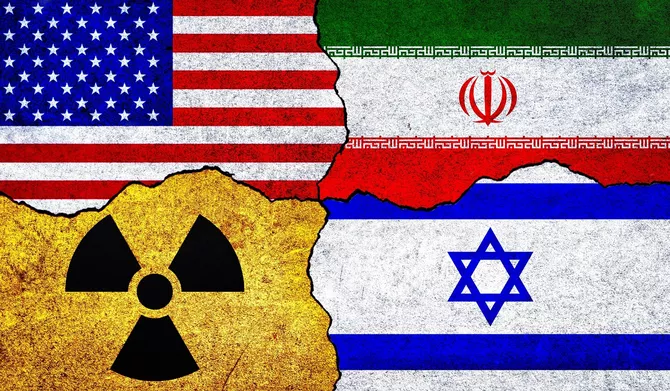
Photo: Shutterstock
Will Netanyahu Push for Military Intervention?
The most realistic expectation is that Netanyahu will push for credible military preparedness rather than immediate intervention. Public calls for war could harden Iranian positions and complicate diplomacy. A more calibrated approach - strengthening the negotiating environment through visible readiness - provides leverage without foreclosing talks.
In effect, Netanyahu’s goal is to ensure that diplomacy operates under conditions that maximize pressure. War, in this framing, is not the first step but the backdrop that gives diplomacy weight.
Trump, meanwhile, will likely preserve strategic ambiguity. He benefits from projecting readiness while maintaining room to pivot toward agreement if negotiations yield concessions.
What Comes After the Talks
Official readouts will likely emphasize shared goals and unity of purpose. The more telling signals may be subtler:
-
Whether U.S. officials publicly incorporate missiles and proxy issues into the core negotiating agenda.
-
Whether timelines or deadlines emerge, signaling urgency.
-
Whether military deployments accelerate or plateau.
-
Whether Iran responds with incremental transparency measures aimed at narrowing U.S.-Israeli differences.
-
Whether leaks surface regarding red lines or private understandings.
These indicators will reveal whether the meeting shifts strategy or simply reinforces existing positions.
Trump and Netanyahu share a headline objective: preventing Iran from obtaining nuclear weapons. The divergence lies in scope, sequencing, and definitions of success. Netanyahu will likely press for a tougher framework that reduces the rsk of a limited agreement. Trump will aim to balance leverage with flexibility, seeking a path that preserves his ability to claim a strong diplomatic outcome.
In the near term, expect intensified pressure messaging - military signaling alongside ongoing diplomacy. The decisive moment will not be the optics of the meeting itself, but what follows at the next negotiation milestone: whether demands broaden, whether Iran offers verifiable concessions, and whether both leaders conclude that diplomacy remains viable.
The visit is less about deciding on war and more about defining the strategic environment in which diplomacy unfolds. Whether that environment ultimately deters escalation or accelerates it will depend on how both leaders translate rhetoric into action in the weeks ahead.