Putin to Armenia: EU Membership Is Impossible For You

Getty images

Putin to Armenia: EU Membership Is "Impossible" For You

Vladimir Putin stated that Armenia cannot realistically pursue membership in the European Union while remaining part of the Moscow-led Eurasian Economic Union, arguing that the two frameworks are fundamentally incompatible.

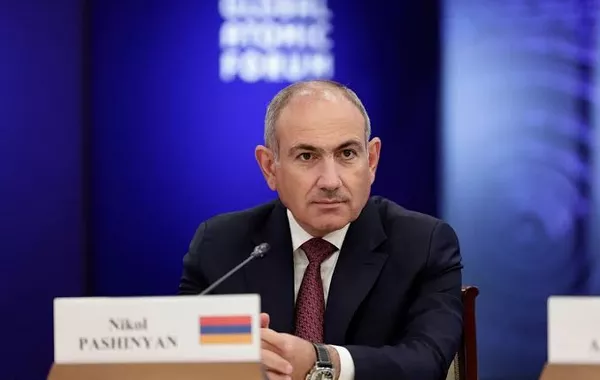
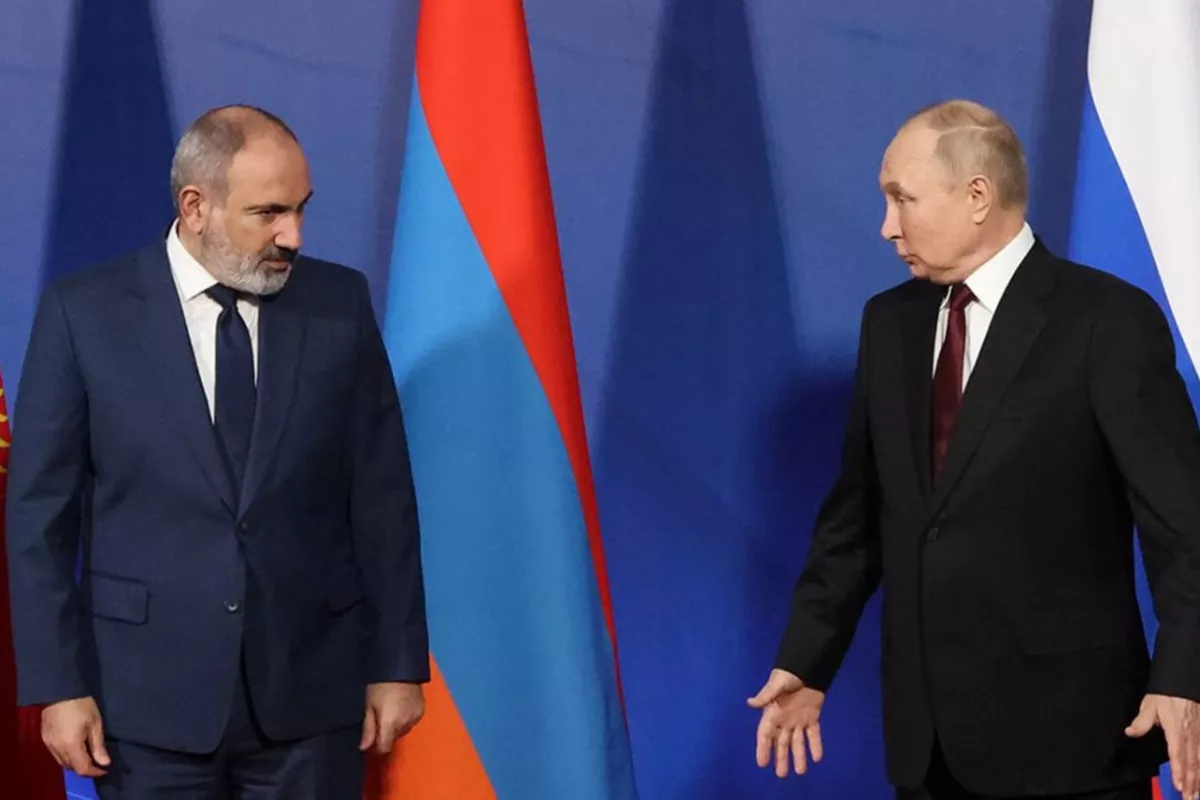
Speaking during a meeting at the Kremlin with Armenian Prime Minister Nikol Pashinyan, he stressed that dual participation in both structures is “impossible by definition,” The Caspian Post reports, citing foreign media.

At the same time, he acknowledged that countries often seek to benefit from multiple partnerships, but insisted such efforts must be transparent and agreed upon from the outset.

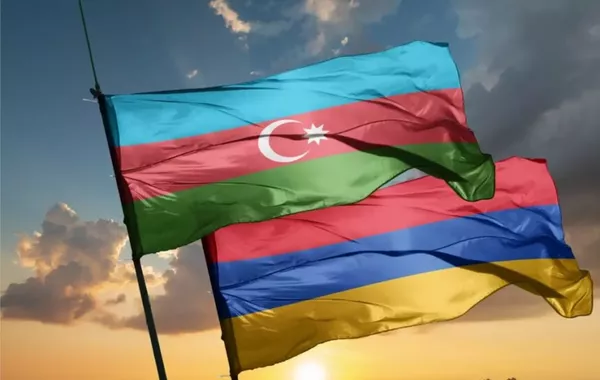
Armenia, which joined the Eurasian Economic Union in 2015, has in recent years signaled a gradual shift away from Moscow. Relations have cooled amid growing dissatisfaction in Yerevan over Russia’s response during tensions with Azerbaijan, particularly during the conflicts in Nagorno-Karabakh in 2020 and 2023. Armenian authorities have repeatedly accused the Kremlin of failing to provide adequate support despite their longstanding alliance and Russia’s continued military presence in the country.

This drift has been accompanied by concrete political steps. In the spring of the previous year, Armenia’s parliament approved legislation opening the door to potential accession talks with the European Union, a move widely seen as part of a broader reorientation toward Western institutions.

During the same meeting, Putin also addressed Armenia’s internal political landscape ahead of parliamentary elections expected in June. He voiced hope that parties seen as maintaining closer ties with Russia would be able to take part in the electoral process, emphasizing the importance of their involvement in the country’s political life.

Related news

Putin to Armenia: EU Membership Is "Impossible" For You

Vladimir Putin stated that Armenia cannot realistically pursue membership in the European Union while remaining part of the Moscow-led Eurasian Economic Union, arguing that the two frameworks are fundamentally incompatible.