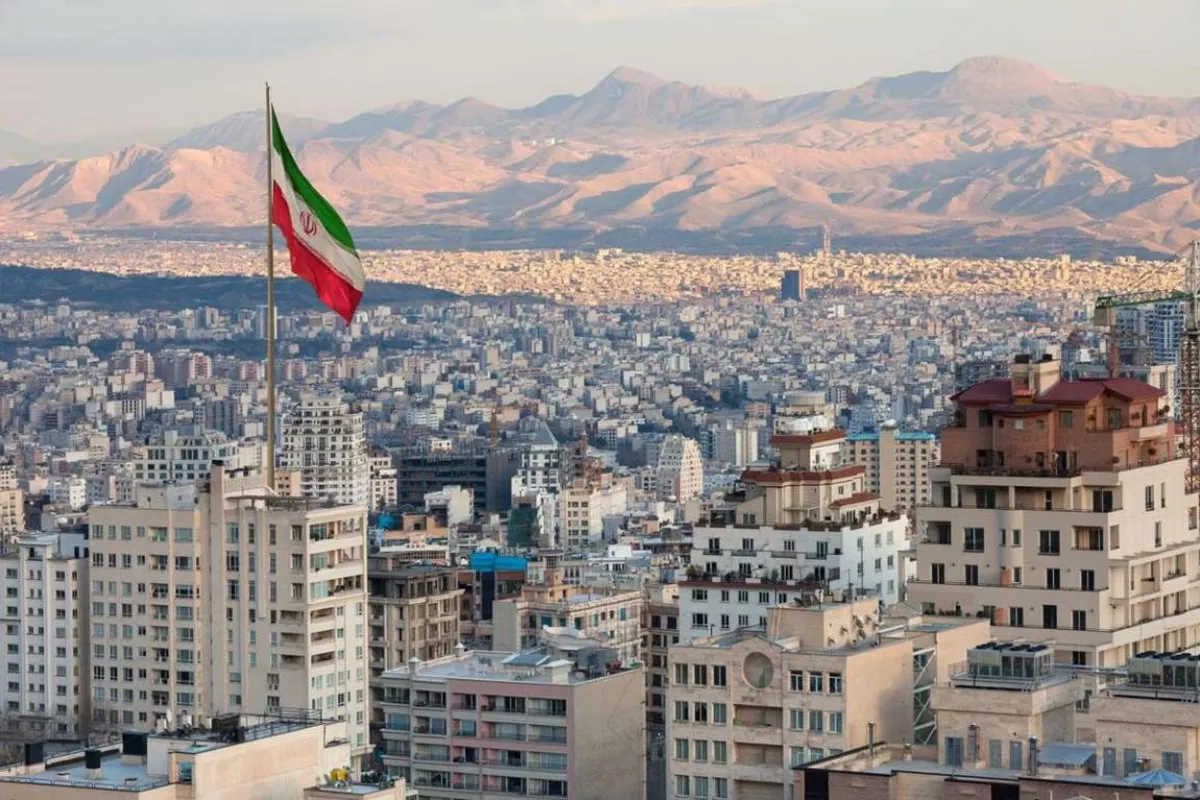
Iran’s position in Eurasia is unique, sitting at the junction of the Middle East, the Caucasus, and Central Asia. Its geographic location grants it extensive land borders, proximity to critical maritime routes, and deep historical ties to many neighboring states. Tehran’s strategic outlook in the South Caucasus and Central Asia therefore extends across economic, security, and geopolitical domains.
In the post-Soviet period-and especially amid increasing global multipolarity and growing Western pressure-Iran’s approach to the region reflects a combination of ambitions and constraints. These include the desire to expand transport and trade connectivity, manage border and internal security challenges, balance rivalry and cooperation with Türkiye, and mitigate the ongoing effects of international sanctions. The following analysis examines these dimensions in detail, with attention to recent developments and diplomatic activity that have shaped Iran’s regional calculations.
Geopolitical Context: Iran at the Crossroads
Iran’s Eurasian foreign policy is influenced by a mix of historical connections, economic needs, and security concerns. When the Soviet Union disintegrated, Tehran moved quickly to preserve its influence in the newly independent states of Central Asia and the South Caucasus. These regions have long been tied to Persian imperial history and historical trade routes, and Iran viewed their emerging political landscape as crucial to its broader strategic environment. Over time, Iran has sought to sustain relationships with major powers such as Russia and China, both of which it considers strategic partners. At the same time, Tehran has pursued a cautious hedging strategy to limit Western influence in the region.
From Tehran’s perspective, the South Caucasus functions as a geopolitical buffer zone that separates Iran from potential Western-backed encroachments. Iranian strategic planners regard external initiatives that expand Western presence-especially those framed as supporting regional autonomy or sovereignty-as possible threats to Iran’s security and regional leverage.
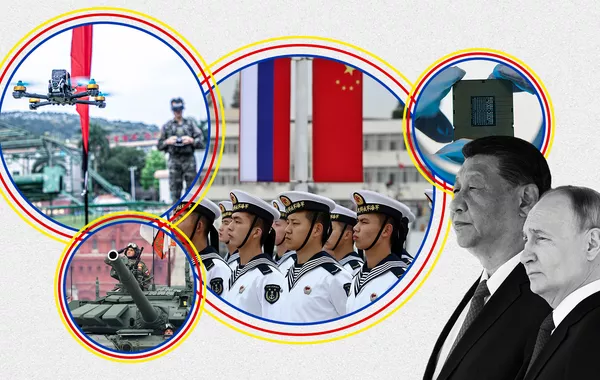
A key component of this worldview is the deepening alignment with Russia. The Tehran-Moscow partnership has strengthened over recent years, culminating in a comprehensive 20-year agreement ratified by Iran’s parliament in 2025. This agreement underscores both countries’ intent to deepen economic and military cooperation and reflects a shared interest in resisting Western influence in Eurasia. For Tehran, this partnership is not merely a bilateral relationship; it is also a strategic anchor that helps balance the pressures of sanctions and international isolation.
Image: Shutterstock
Transport Corridors: Connectivity as Strategy and Vulnerability
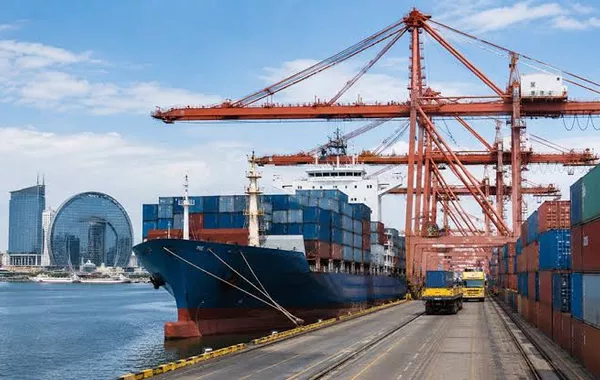
One of Iran’s central strategic priorities in the Caucasus and Central Asia is to position itself as a key transit hub in Eurasian logistics networks. Iran’s geographic placement makes it a natural bridge between Europe, Central Asia, and South Asia, and Tehran has sought to capitalize on this through participation in major transport initiatives.
Iran has been involved in projects such as TRACECA (Transport Corridor Europe-Caucasus-Asia), a corridor linking the Black Sea to the Caspian Sea and beyond through multimodal transportation systems. By joining TRACECA in 2009, Iran expanded the corridor’s reach toward the Middle East and strengthened its role in connecting Eurasian markets.
The North-South Transport Corridor (INSTC) is another significant initiative in which Iran plays a major role. Designed to connect northern Europe-via Russia-to the Persian Gulf and the Indian Ocean through Iranian territory, the INSTC offers Tehran an opportunity to become a key node in international trade routes.
Additionally, the Ashgabat Agreement, a multimodal transport pact involving Iran and Central Asian states such as Kazakhstan, Uzbekistan, and Turkmenistan, aims to facilitate trade flows between Central Asia and the Persian Gulf. This agreement is a clear example of Iran’s strategy to deepen economic ties with its northern neighbors while simultaneously reducing dependence on Western-dominated trade channels.
Iran’s focus on rail and multimodal transport is driven by economic necessity. Western sanctions have curtailed Tehran’s traditional trade avenues and limited its energy exports, compelling the country to rely more heavily on overland corridors. These routes not only sustain trade volumes but also offer opportunities to strengthen economic relations with Central Asian markets. Freight volumes on the Kazakhstan-Turkmenistan-Iran railway and the broader north-south corridor saw a marked increase-over 50% growth in the first ten months of 2025-highlighting the rising significance of these transport links.
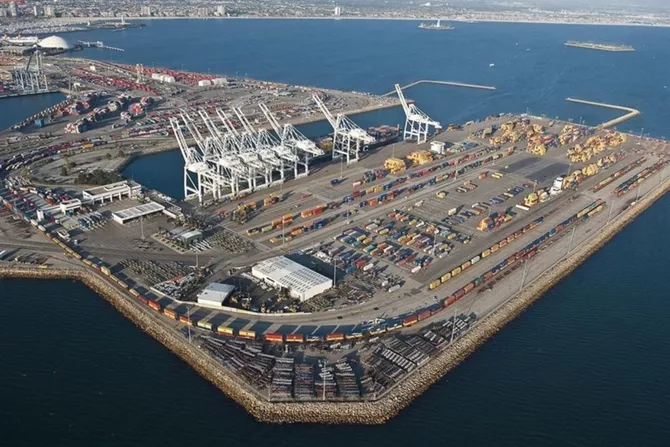
Photo: Tasnim news agency
Strategic Port Linkages: Chabahar and Beyond
Iran’s Chabahar Port, located on the Gulf of Oman, is central to its broader connectivity strategy. Developed through cooperation with India under a ten-year agreement, Chabahar provides Tehran with a maritime outlet that is less vulnerable to sanctions and Western pressure. The port serves as a gateway for Central Asian goods bound for international markets and strengthens Iran’s economic ties to South Asia.
Chabahar is not simply a port; it is a strategic asset that enables Iran to bypass certain geopolitical constraints and maintain access to critical trade routes. In the context of global sanctions and geopolitical competition, the port remains one of Tehran’s most valuable tools for sustaining regional integration.
Competing Corridors and Strategic Frictions
Despite these ambitions, Iran’s transport strategy faces significant competition from rival corridor projects. Perhaps the most controversial is the U.S.-backed “Trump Route for International Peace and Prosperity” (TRIPP), a transit corridor linking Azerbaijan to its mainland Nakhchivan through Armenia. Tehran views this initiative as an attempt to circumvent Iranian transit routes, thereby diminishing Tehran’s regional leverage.
Iranian leaders have publicly opposed the TRIPP project, arguing that it threatens Iran’s strategic position and represents an encroachment near its borders. From Tehran’s perspective, such corridors do not simply introduce economic competition; they represent a shift in the regional balance of power. Alternative trade routes that bypass Iranian territory could weaken Iran’s role as a transit hub and undermine its broader influence in Eurasia.
In addition, these competing corridors promise to reshape Eurasian trade by offering routes that connect Europe and Asia through Türkiye and the South Caucasus. Iran perceives these developments as strategic losses, not merely commercial challenges, because they reduce its importance in the regional transit network.
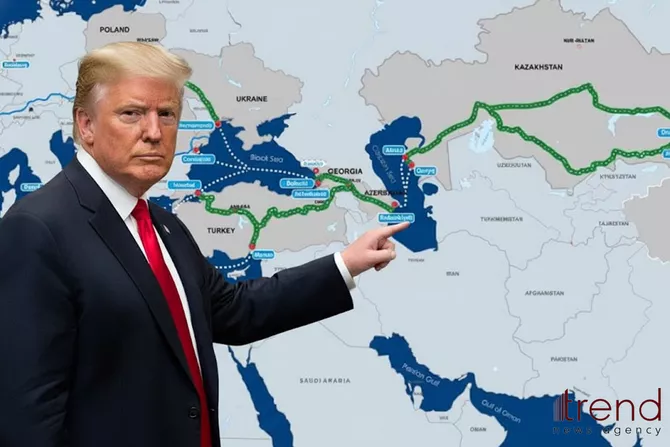
Photo: Trend news agency
Border Security: Perceptions, Pressures, and Policy
Iran’s border policy is deeply intertwined with its national security concerns. The country shares land borders with Azerbaijan, Armenia (in border-adjacent zones), and Turkmenistan. For Tehran, managing these borders is not only about regulating movement and trade; it is also about preventing security threats and addressing ethnic sensitivities.
Recent developments along the Türkiye-Iran border have heightened Tehran’s security concerns. In 2025-2026, Türkiye expanded its border defenses by increasing surveillance infrastructure, constructing additional watchtowers, and strengthening barriers. Ankara cited threats such as smuggling, illegal migration, and militant activity as justifications for these measures.
While Iranian officials have downplayed fears related to migration flows, there has been an increase in crossings by Iranian citizens into Türkiye. These movements often coincide with periods of domestic unrest and internet shutdowns, suggesting that internal instability can spill over into cross-border dynamics and affect bilateral relations.
Security Cooperation and Regional Forums
Iran participates in regional security frameworks such as the Shanghai Cooperation Organization (SCO). Within this forum, Iran engages with Russia, China, and Central Asian states on issues including counterterrorism and border stability. This multilateral engagement helps Tehran strengthen regional ties and address shared security challenges.
Iran also maintains bilateral military-technical cooperation with Russia. This partnership enhances Tehran’s ability to deter perceived threats and reinforces the broader strategic alignment between the two countries. In the context of regional tensions and global competition, such security cooperation is a central pillar of Iran’s Eurasian strategy.
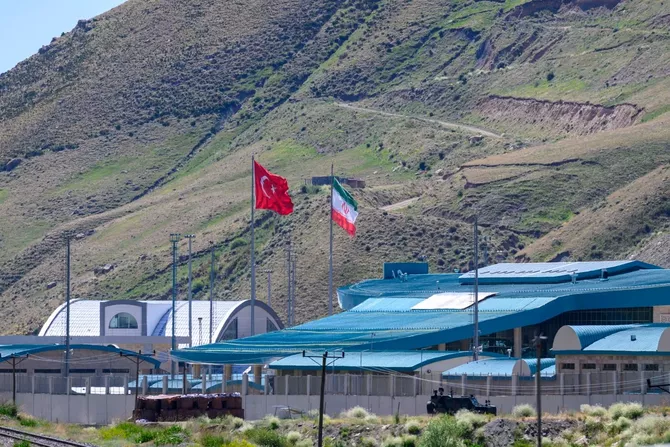
Photo: Getty Images
Rivalry and Cooperation: Iran vs. Türkiye
Iran and Türkiye have a long history of competition for influence in the Caucasus and Central Asia. Their relationship has often alternated between rivalry and cooperation, with each side seeking to expand its influence while managing mutual interests.
In recent years, Ankara’s growing role in the region-especially after the 2020 Second Karabakh War-has challenged Iran’s traditional position. Türkiye’s support for Azerbaijan has strengthened Ankara’s influence in the Caucasus and increased its strategic presence.
Türkiye’s regional strategy emphasizes economic integration with Turkic-speaking states such as Azerbaijan, Kazakhstan, and Uzbekistan. Ankara positions itself as a bridge between Europe and Asia and has aligned its interests with Western-backed economic corridors. Tehran views this development with concern, as it sees Pan-Turkist sentiment and Turkish influence as potential sources of instability within Iran’s own Turkic-speaking regions.
From Tehran’s perspective, Ankara’s growing ties with Turkic states could encourage nationalist movements within Iran and reduce Tehran’s influence in the region. This dynamic is a central feature of the strategic competition between the two countries.
Cooperation Amid Competition
Despite these rivalries, Iran and Türkiye maintain practical economic and diplomatic ties. Both countries share interests in stabilizing cross-border trade and addressing transnational challenges such as energy supply, drug trafficking, and regional instability. Diplomatic engagement continues even as strategic competition intensifies.
However, Türkiye’s backing of U.S.-brokered peace deals in the South Caucasus, along with support for corridors that bypass Iran, has heightened tensions. From Tehran’s standpoint, these developments represent a direct challenge to its regional influence and its role as a key transit hub.
Sanctions and the Constraints on Tehran’s Policy
Western sanctions have been a defining factor shaping Iran’s regional strategy. These measures have limited Iran’s access to global financial systems, foreign investment, and international energy markets. As a result, Iranian policymakers have pursued alternative strategies to maintain economic stability and regional integration.
Sanctions have pushed Iran to focus more intensively on regional trade and transport networks as a means of sustaining economic activity. They have also encouraged Tehran to align more closely with other states seeking alternatives to Western dominance, including Russia and China. Additionally, Iran has sought to persuade regional partners to develop infrastructure and logistic ties that can bypass sanctions chokepoints.
If sanctions were to be lifted, Iran’s re-entry into global markets could significantly alter regional economic dynamics. In particular, Iran’s renewed participation in energy markets could disrupt pricing and market shares that currently benefit other Gulf producers.
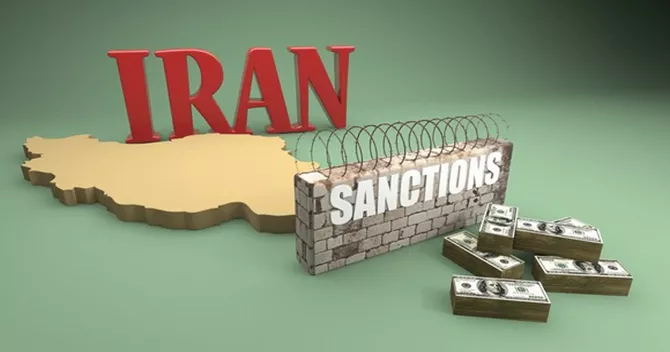
Photo: Shutterstock
Adaptive Strategies and Partnerships
To counter the effects of sanctions, Tehran has pursued partnerships that offer sanctions-resilient trade and investment channels. One prominent example is its cooperation with India on the Chabahar Port. Despite U.S. sanctions, India has maintained pragmatic economic interaction with Iran, reflecting shared interests in regional connectivity and trade.
Iran has also sought deeper integration within the SCO framework, leveraging multilateral platforms for transport and security cooperation. Through these structures, Tehran can deepen ties with neighboring states and mitigate the isolating effects of sanctions.
In addition, Iran has pursued free trade arrangements with the Russia-led Eurasian Economic Union. These agreements help reduce trade barriers with major partners facing similar sanctions pressures and enhance Iran’s ability to participate in regional economic networks.
Overall, sanctions have not completely isolated Tehran. Instead, they have reshaped Iran’s strategy, pushing it toward regional integration and the development of alternative economic pathways.
Latest High-Level Dialogues and Diplomatic Movements
Recent high-level engagement between Iran and Kazakhstan reflects Tehran’s renewed focus on Central Asian partnerships. Late-2025 reporting highlighted a series of discussions emphasizing increased bilateral trade, with targets approaching $3 billion. These talks also noted the presence of hundreds of Iranian companies operating in Kazakhstan, signaling Tehran’s commitment to expanding economic ties in the region.
This renewed engagement illustrates Iran’s efforts to strengthen its economic and political position in Central Asia. Amid sanctions and shifting global competition, Tehran is investing in partnerships that can support its regional integration and provide economic resilience.
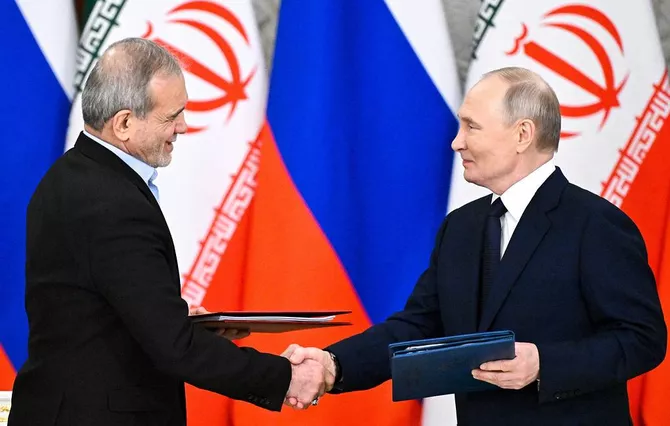
Photo: TASS
Iran-Russia Presidential Communication
In early 2026, the presidents of Iran and Russia held a strategic phone conversation focusing on bilateral cooperation and regional developments. Although the details of the discussion were not fully disclosed, the call underscores the continuity of the Tehran-Moscow partnership. In the face of changing geopolitical pressures, the strategic relationship between Iran and Russia remains a central pillar of Iran’s Eurasian policy.
Conclusion: Contours of Iran’s Regional Strategy
Iran’s policy in the South Caucasus and Central Asia is shaped by a complex interplay of strategic imperatives. Transport corridors and connectivity projects are central to Tehran’s economic resurgence and integration goals, but they also expose Iran to strategic competition with Ankara and Western-backed initiatives. Border security remains a persistent concern, influenced by ethnic dynamics, migration, and the emergence of new corridor projects.
Competition with Türkiye is evident across political, economic, and cultural dimensions, even as pragmatic cooperation persists in addressing shared challenges. Sanctions have constrained Iran’s global outreach, but they have also reshaped Tehran’s regional focus toward trade diversification, sanctions-resilient partnerships, and connectivity projects that circumvent Western chokepoints.
Looking ahead, Iran’s strategy appears adaptive rather than fixed. Tehran is navigating between cooperation with powerful neighbors such as Russia and China, competition with regional actors like Türkiye, and the need to leverage connectivity to maintain influence. At the same time, Iran must manage the ongoing drag of sanctions and domestic pressures, which continue to shape its regional posture.