When Central Asia makes international headlines, it is typically through the lenses of geopolitics, energy, infrastructure, or economic development.
These narratives are important, but they tell only part of the story. Far less visible-yet equally significant-is the region’s growing presence in global cultural and artistic institutions. One area where this absence is particularly striking is Western classical music, The Caspian Post reports, citing foreign media.
Classical music remains one of the most internationally networked cultural ecosystems in the world. Elite conservatories, orchestras, and festivals function as global meeting points where national identities are shaped, perceived, and negotiated. Representation within these spaces matters-not only for individual artists, but for how entire regions are understood.
Yet Central Asia remains largely absent from this conversation.
This absence is not due to a lack of talent. Musicians from the region regularly train, perform, and compete at an international level. What is missing is visibility: sustained media attention, institutional recognition, and a narrative that connects individual success to regional cultural capacity.
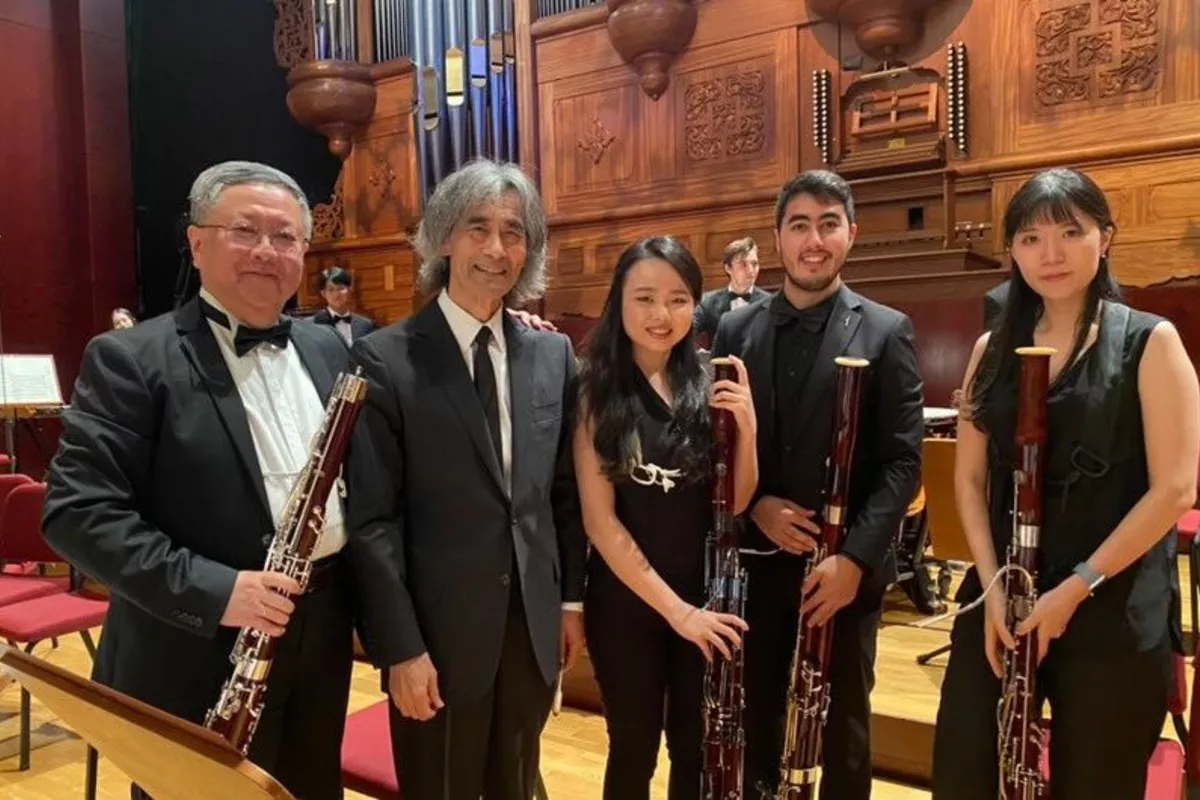
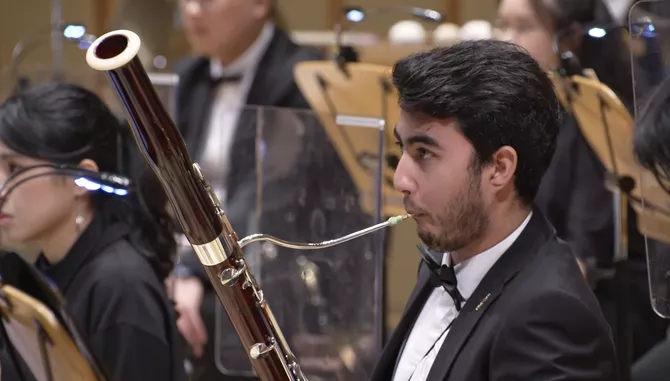
I write this from personal experience. My name is Javlon Khayitov, and I am a professional bassoonist from Uzbekistan. I began my formal musical training at the Republican Specialized Academic Lyceum in Tashkent, and later pursued my undergraduate studies at the Yong Siew Toh Conservatory of Music, National University of Singapore, on a full scholarship. Today, I am pursuing a Post-Baccalaureate Diploma at the Curtis Institute of Music in the United States, one of the world’s most selective conservatories.
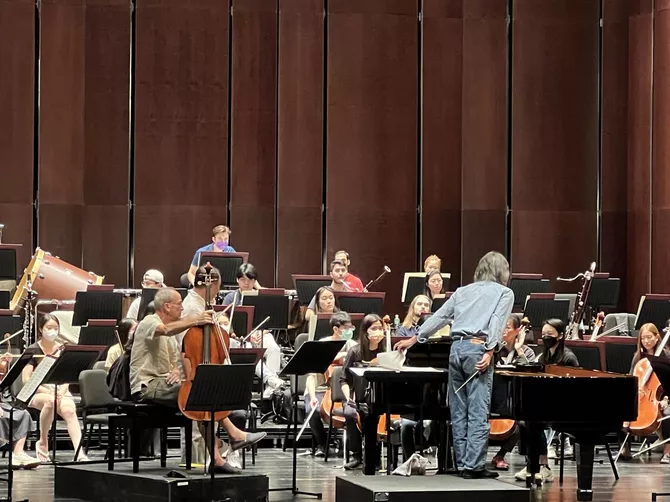
Over the past nine years, I have performed professionally across Uzbekistan, Singapore, China, Europe, and the United States. I have served as principal and guest principal bassoonist with leading orchestras including the Asian Youth Orchestra, Musicians Initiative Symphony Orchestra of Singapore, Sichuan Symphony Orchestra (China), and the National Symphonic Orchestra of Uzbekistan. I have appeared at major international venues and festivals, such as Young Euro Classic at the Konzerthaus Berlin, the Taipei Music Festival and Academy, and toured extensively across Europe and Asia.
These experiences have made one reality clear: Central Asian musicians are present in global classical music-but they are rarely recognized as representatives of a broader regional culture. In many institutions, we are perceived as exceptions rather than indicators of a system producing high-level artists. This contrasts with regions such as East Asia, where sustained cultural investment and strategic storytelling have established a clear international identity for classical musicians.
Central Asia has yet to benefit from this kind of cultural positioning.
Classical music functions as a form of soft power. It shapes how countries are perceived intellectually, emotionally, and culturally. When a musician from Uzbekistan appears on a stage in Berlin, New York, or Tokyo, they carry more than individual artistry-they carry an implicit representation of their country’s education system, cultural priorities, and artistic depth. In this sense, cultural presence complements economic and political engagement.
For Central Asia-a region often framed externally through post-Soviet transition or strategic geography-cultural representation offers a chance to redefine identity on its own terms.
The challenge lies not only in producing talent, but in retaining connections between artists and their countries of origin. Many musicians from the region build careers abroad with little institutional linkage back home. This disconnect reinforces the idea that success occurs in spite of one’s origin rather than because of it. Without platforms that highlight these trajectories as regional achievements, Central Asia remains invisible in global cultural narratives.
Media plays a crucial role here. Coverage that situates individual artists within a broader regional context helps shift perception from anomaly to pattern. It signals that Central Asia is not merely exporting raw talent but participating actively in global cultural production.
This is particularly important for younger generations. Visibility creates aspiration. When students see musicians from their region performing internationally-and being recognized as such-it reframes what is possible. It also encourages institutions at home to invest further, knowing their efforts resonate beyond national borders.
Importantly, this conversation is not about nationalism or cultural competition. It is about balance. Central Asia is increasingly present in global economic and political discussions; its cultural voice deserves similar space. Artistic representation humanizes the region, offering nuance where policy discourse often simplifies.
The infrastructure already exists. Central Asia has conservatories, orchestras, competitions, and a growing diaspora of professionally active musicians. What remains underdeveloped is the narrative architecture that connects these elements into a coherent regional story.
Classical music may seem peripheral in a world shaped by rapid technological and geopolitical change. Yet culture has always outlasted policy cycles. It builds memory, continuity, and international trust.
Central Asia’s voice in global classical music already exists. From Uzbekistan to Singapore to the United States, artists like myself are contributing on the world stage. The task now is to make this presence visible-not as an exception, but as part of the region’s evolving identity.