China Uses Education to Expand Soft Power in Central Asia
China is steadily expanding its influence across Central Asia, using education, economic cooperation, infrastructure projects, and cultural diplomacy to deepen its regional footprint.
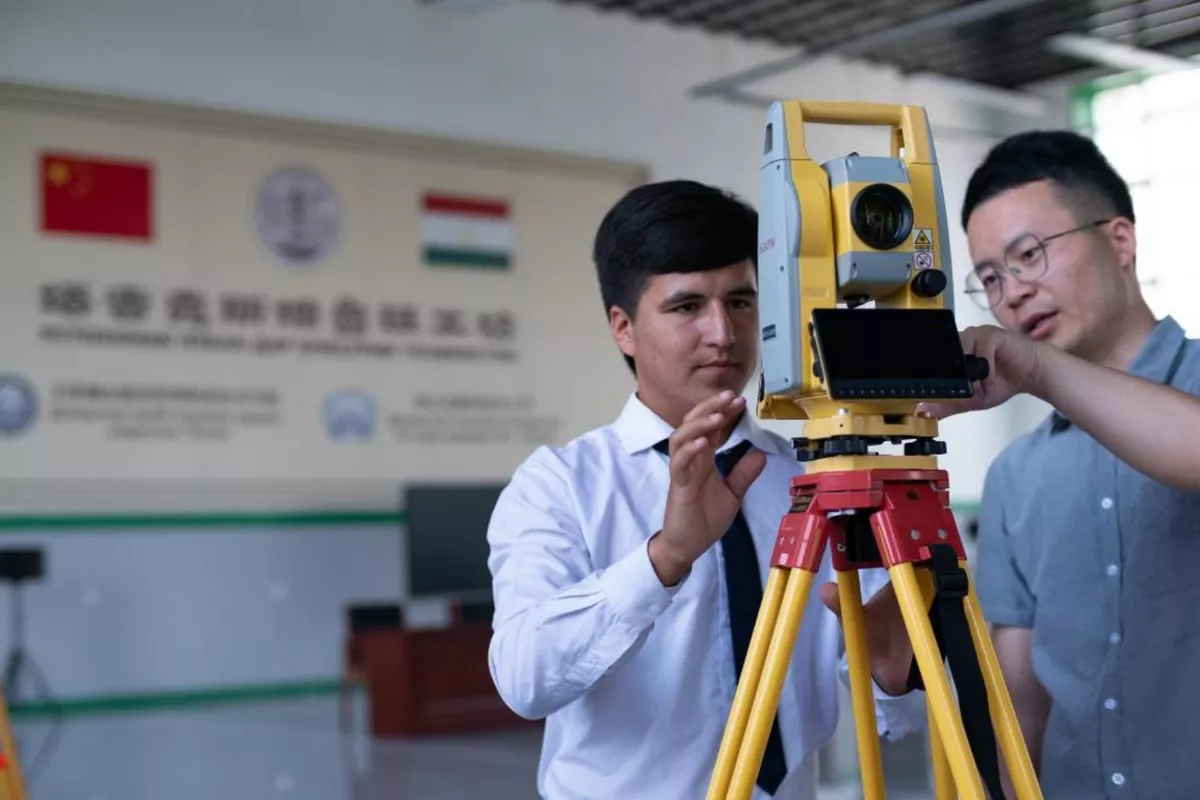
One of Beijing’s most visible soft-power tools is higher education. Turkmenistan’s Ministry of Education and Kyrgyzstan’s Ministry of Science, Higher Education, and Innovation have announced competitions for Chinese government-funded scholarships for the 2026-2027 academic year, The Caspian Post reports via foreign media.
These programs will allow students to pursue degrees at Chinese universities. At the same time, Chinese embassies in Central Asia are promoting opportunities for mid-career government officials and business executives to study in China under the Youth of Excellence Scheme. Educational exchanges are also expanding at the institutional level, with a delegation from the Tajik State University of Commerce visiting Xi’an University of Technology to discuss cooperation.
The academic exchange flow is not entirely one-way. According to Kazakhstan’s Ministry of Science and Higher Education, Chinese students make up 3,367 of the 35,075 international students currently studying in the country.
Security cooperation also remains on the agenda. Member states of the Shanghai Cooperation Organization, including China and all five Central Asian countries, took part in the Sahand 2025 military and anti-terrorism exercises in Iran under the SCO’s Regional Anti-Terrorist Structure. The drills marked the first SCO military exercises hosted by Iran, though analysts cited by RFE/RL noted that the maneuvers were limited in scale and practical military impact.
Economic diplomacy featured prominently as well. The Tianshan Forum for Central Asia Economic Cooperation, held in Urumqi on December 2-3, yielded modest results, with its main outcome being the announcement of a Central Asia Regional Financial Cooperation Research Center aimed at supporting policy coordination and regional integration.
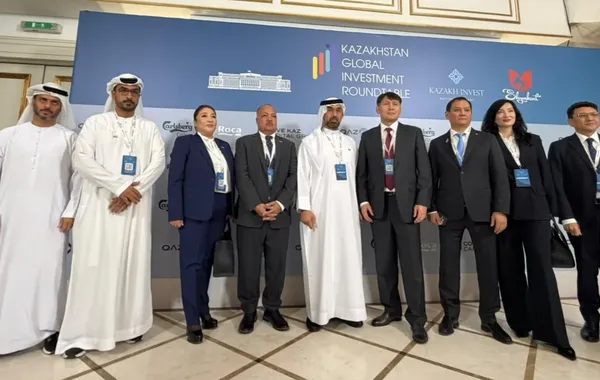
In Kazakhstan, China has intensified both messaging and investment. Chinese Ambassador Han Chunlin published articles on China’s poverty-reduction experience in at least 16 Kazakh media outlets and offered Beijing’s assistance in shaping Kazakhstan’s own anti-poverty strategies. On the economic front, Kazakhstan’s Chamber of International Commerce signed a memorandum with the China Council for the Promotion of International Trade to establish a joint committee focused on resolving trade and economic disputes.
Chinese investment is also flowing into Kazakhstan’s agriculture and energy sectors. The government approved a deal with Xinjiang Lihua to build a cotton agro-complex in the Turkestan Region, with investments expected to reach up to 200 billion tenge ($389.286 million) and create more than 1,700 jobs. Meanwhile, KazMunaiGas acquired a 50 per cent stake in a new geological exploration firm jointly owned with a Sinopec subsidiary. Transport links are expanding too, with Air China announcing direct Almaty-Chengdu flights starting in late 2025.
Uzbekistan is deepening its strategic engagement with China through reforms and energy cooperation. Tashkent and Beijing launched a joint program allowing Uzbekistan to adapt China’s economic and industrial development models, potentially shaping the country’s future IT and AI sectors. President Shavkat Mirziyoyev also held talks with Chinese energy companies, with more than $9 billion worth of projects already underway and additional projects announced.
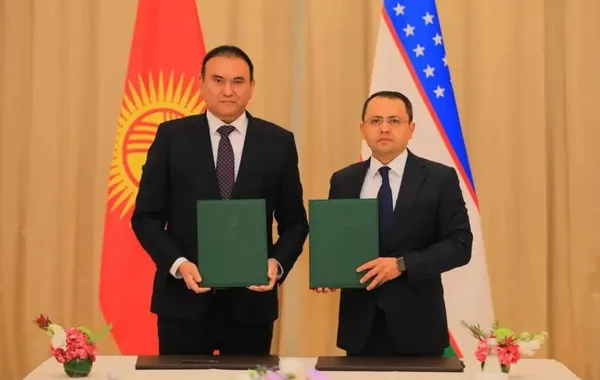
In Kyrgyzstan, relations with China are more complex. While Beijing continues to expand infrastructure cooperation, including progress on the China-Kyrgyzstan-Uzbekistan railway, public skepticism toward China remains strong. Kyrgyz authorities have moved to counter rumors and social media narratives about excessive Chinese influence, while Chinese companies have organized outreach efforts to ease tensions. Political differences were also evident in contrasting assessments of Kyrgyzstan’s snap parliamentary elections by China and the OSCE.
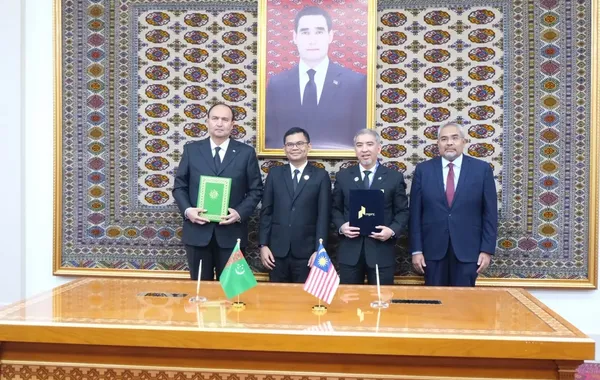
Tajikistan and Turkmenistan are strengthening ties with China primarily through culture and energy. China’s Days of Culture were held in Dushanbe in early December, highlighting expanding cultural and tourism exchanges. In Turkmenistan, Chinese equipment is supporting increased gas production at the Uzynada field and upgrades to water-management infrastructure, underscoring Beijing’s role as a key economic and technological partner.
Taken together, these developments show China pursuing a multi-layered strategy in Central Asia-combining education, infrastructure, investment, security, and culture-to reinforce its long-term influence across the region.