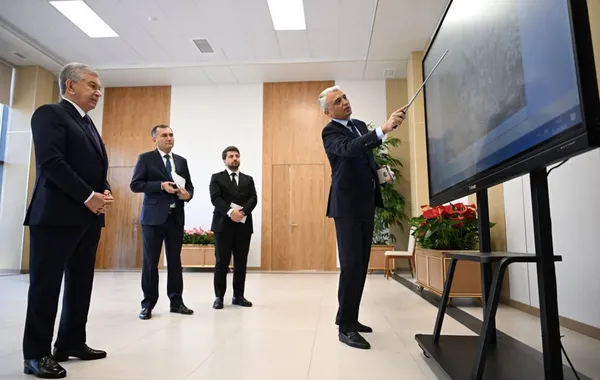
Czech PM Babiš Leads 50-Company Mission to the Caucasus and Central Asia
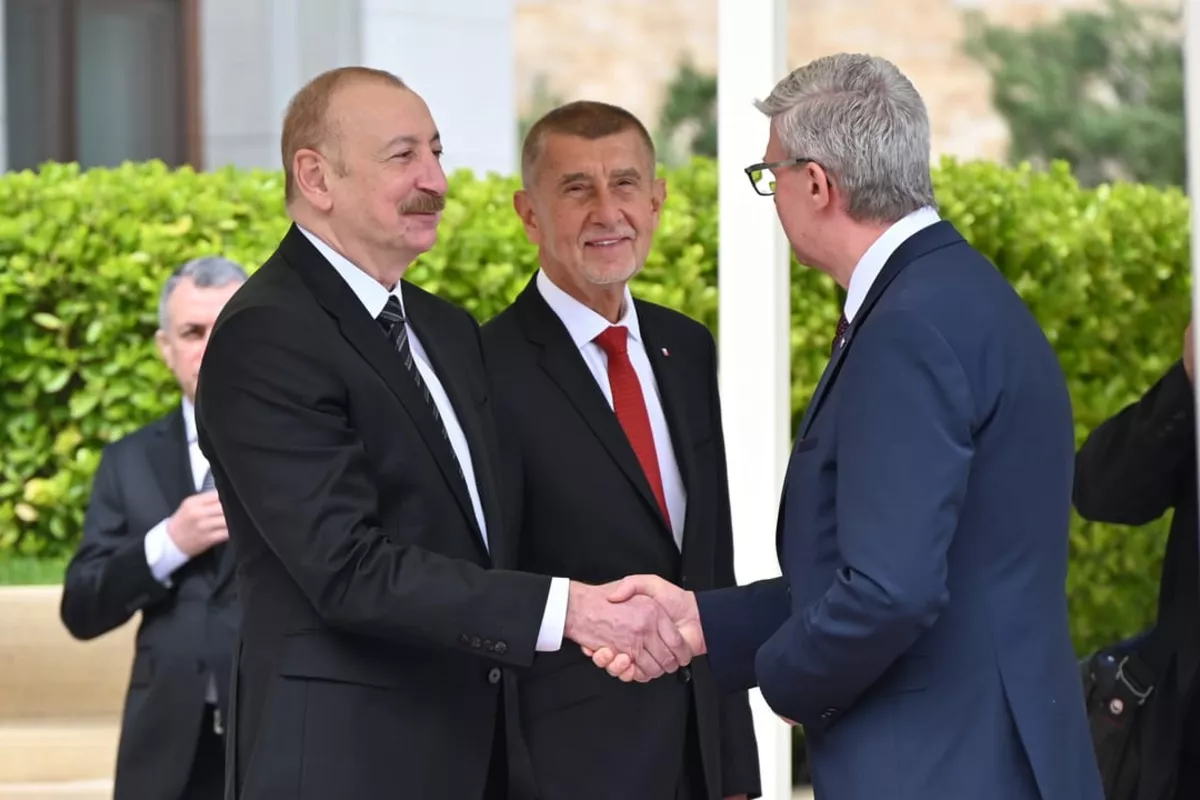
Czech Prime Minister Andrej Babiš and Industry Minister Karel Havlíček are leading a government and business mission to Azerbaijan, Kazakhstan and Uzbekistan.
The trip focuses on boosting Czech exports and securing major contracts, particularly in transport and energy. More than 50 Czech companies are taking part, targeting large-scale deals rather than incremental growth, The Caspian Post reports via Czech Radio.
Czech Delegation Targets Major Deals in Central Asia
For Czech companies, Central Asia and the South Caucasus remain relatively underexplored markets - despite their size and strategic importance. The current government mission is designed to change that, with a clear emphasis on turning existing contacts into concrete business results.
More than 50 Czech firms are accompanying Prime Minister Andrej Babiš and Deputy Prime Minister and Industry and Trade Minister Karel Havlíček on their visit to Azerbaijan, Kazakhstan and Uzbekistan. Together, these countries represent a market of roughly 70 million people, yet Czech exports to the region still account for only a fraction of overall trade.
Targeting Companies with Concrete Projects
Deputy Prime Minister Havlíček told Czech Radio that the selection of companies reflects a deliberate strategy: to support firms that are already active in the region and need help finalizing deals.
“We had around 150 companies interested, but we selected those that already have something negotiated - those who are ready to finalize contracts or launch concrete projects,” Karel Havlíček said. “This is not about exploring new markets, but about completing real business.”
According to Minister Havlíček, the goal is not to introduce Czech businesses to entirely new territories, but to help them move from initial negotiations to signed contracts. This approach is meant to increase the chances of tangible outcomes from the trip.
Energy and Transport Centre Stage
Energy cooperation plays a central role, particularly in Azerbaijan, which is one of the Czech Republic’s key suppliers of crude oil.
“Azerbaijan is one of our most important suppliers. About 42 percent of the oil coming to the Czech Republic comes from there,” Deputy Prime Minister Havlíček noted. “We are their second most important partner in Europe after Italy.”
At the same time, the Czech delegation is seeking to expand into other areas of cooperation, including potential gas supplies as part of broader efforts to diversify energy sources.
Transport infrastructure is another major focus. In Uzbekistan, Czech companies are negotiating a significant contract for train deliveries, while in Azerbaijan they are looking to supply metro carriages. These sectors have traditionally been among the strengths of Czech industry.
Fewer Deals, Bigger Impact
Minister Havlíček argues that success in this part of the world cannot be measured in small percentage increases in exports. Instead, it depends on securing large, strategic contracts.
“In these countries, it’s not about increasing exports by one percent or two,” he said. “It’s about big contracts - for example supplying metro trains or completing major railway projects. These are fewer deals, but much larger ones, and they create long-term cooperation.”
Such contracts often bring follow-up business, including servicing, maintenance and additional deliveries, which can extend economic cooperation over many years.
Balancing Business and Geopolitics
The mission also reflects a broader effort by the Czech government to balance economic interests with foreign policy considerations. This was evident when Deputy Prime Minister Havlíček commented on a planned trip to Taiwan by Senate Speaker Miloš Vystrčil - a move that has sparked political debate in the Czech Republic.
“We can have good relations with Taiwan, but also reasonable relations with China,” Karel Havlíček said. “The problem is when a very high-ranking constitutional official leads such a mission. We should aim to maintain balanced relations.”
For the government, maintaining that balance is seen as essential, particularly when economic cooperation depends on stable international ties.
While the debate over foreign policy continues, the immediate focus of the current trip remains firmly on business. The region offers growing demand for infrastructure, energy cooperation and industrial expertise - areas where Czech companies are seeking to strengthen their position.
Whether the visit will lead to concrete contracts will become clear in the coming months. For now, the strategy is clear: fewer deals, larger scale - and a stronger Czech presence in a region of increasing economic importance.
By Vít Pohanka