New Regional Trade Lifeline Linking China and Central Asia Eyes 2028 Opening
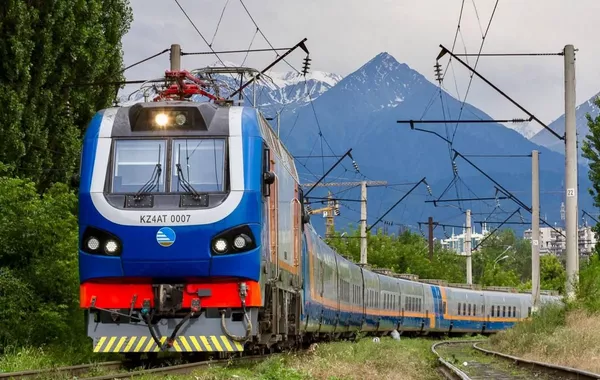
TRACECA Secretary General and Deputy Minister of Transport of Uzbekistan Jasurbek Choriev has said that the construction of the China-Kyrgyzstan-Uzbekistan railway corridor could be completed two years ahead of schedule - by 2028-2029 instead of 2030.
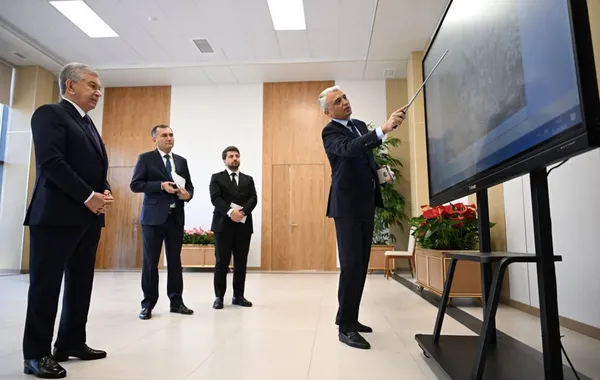
He made these remarks during a panel session at the Tashkent International Investment Forum, The Caspian Post reports via UzDaily.
Choriyev said that active construction on the China-Kyrgyzstan-Uzbekistan railway corridor began in 2024. He noted that Uzbekistan has already committed its own financial resources to the project, underscoring its strategic importance for regional connectivity and trade. To overcome the challenging mountainous terrain in Kyrgyzstan, Chinese technologies and specialized equipment are being deployed, adapted specifically for complex geographical and engineering conditions.
The projected freight traffic on the new railway line is expected to reach 15 million tons per year by 2032, with further growth to 20 million tons annually by 2040.
However, Choriev noted that previous forecasts for Uzbekistan’s transport sector have generally proven to be overly conservative, as actual performance has consistently exceeded projected estimates.
The strategic importance of the new transport corridor lies primarily in its geographic route. The planned railway line is expected to shorten the distance between China and Europe by approximately 1,000 kilometers, offering a faster and more cost-efficient alternative to existing transit routes.
According to the Eurasian Development Bank (EDB), transit traffic along this corridor could increase fivefold by 2030, underscoring its potential to become a major artery in Eurasian logistics and trade flows.
EDB Senior Managing Director Alexey Skatin confirmed the bank’s interest in participating in the financing of the project. He noted that the corridor is among six of the ten largest transport and logistics projects in Central Asia directly linked to Uzbekistan, according to a database of 400 infrastructure initiatives compiled by the bank.
World Bank’s Senior Transport Specialist Mansur Bustoni described the corridor as a key element in Uzbekistan’s transition from a transit point to a central logistics hub in Central Asia.
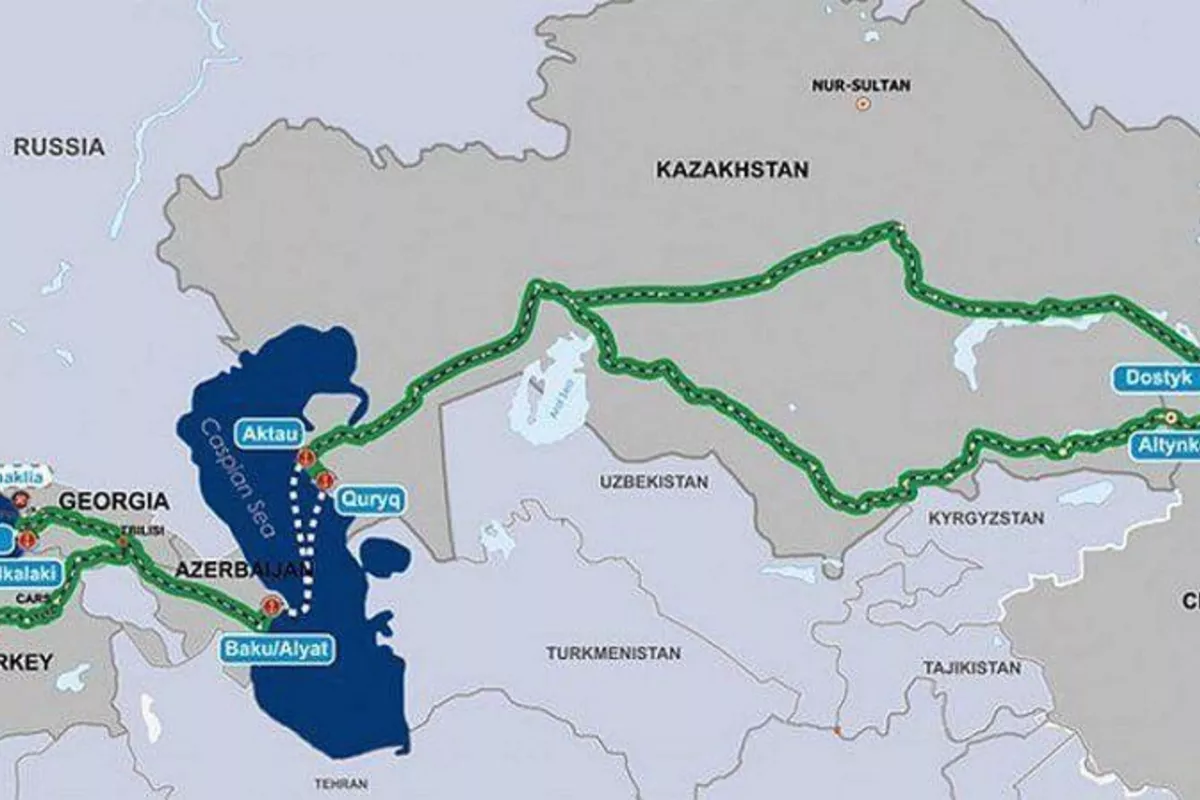
The World Bank views two corridors - the China-Kyrgyzstan-Uzbekistan route and the Trans-Afghan corridor - together with the Trans-Caspian International Transport Route (Middle Corridor) as an integrated system with the potential to fundamentally reshape the structure of regional trade and connectivity.
Construction is being carried out in mountainous terrain, which involves a significant amount of tunneling work and the use of specialized technologies.
Participants of the forum noted that successful implementation of the project requires coordinated efforts from all three countries - Uzbekistan, Kyrgyzstan, and China - both in terms of technical standards and in the alignment of border-crossing procedures and regulatory frameworks.
Choriev noted that the feasibility study for the railway corridor that will connect Uzbekistan to Pakistan’s seaports via Afghanistan is expected to be completed by the end of this year.
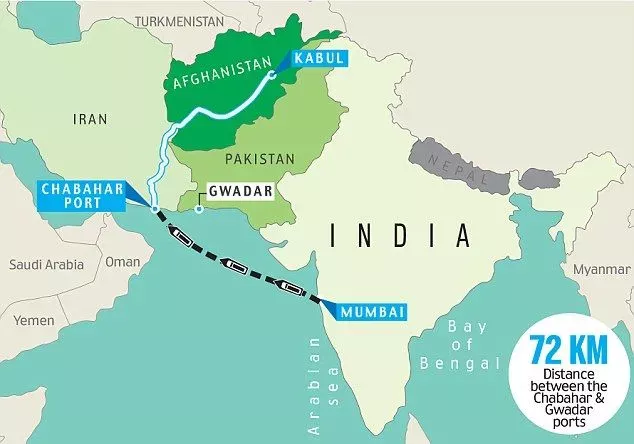
photo: stagecraft and statecraft
The railway is expected to span 649 kilometers. The route will pass through Afghanistan to Pakistan’s ports of Karachi and Gwadar, providing Uzbekistan and other Central Asian countries with direct access to the sea - a strategic asset the region currently lacks due to its landlocked geography.
Uzbekistan, Afghanistan, and Pakistan signed a memorandum of understanding last year to conduct a feasibility study for the project. The governments of all three countries have already allocated funding for field surveys as part of the preparatory phase.
The preliminary cost estimate for the project stands at around $7 billion. Choriev noted that a significant portion of the route passes through mountainous terrain, with tunnel construction expected to exceed 100 kilometers in total.
Construction costs are estimated at approximately $4 million per kilometer in flat areas and more than $10 million per kilometer in mountainous sections.
An initial pre-investment assessment conducted by Ernst & Young in 2023 projects that freight volumes along the corridor could reach 20 million tons per year by 2040.
The project is attracting growing interest from international investors. Choriev said that negotiations on participation in financing are currently being held with representatives from the UAE and Qatar, while Kazakh partners are also involved in discussions. The EDB has likewise confirmed its intention to consider participation in the project.
Bustoni described the Trans-Afghan corridor as the largest external growth opportunity for the region’s entire transport system.
In his assessment, the project-together with the China-Kyrgyzstan-Uzbekistan corridor and the Trans-Caspian Middle Corridor-could transform Uzbekistan from a transit country into a fully developed logistics hub of Central Asia.
These three routes are collectively seen as a framework capable of attracting large-scale funding from international financial institutions, including through blended finance mechanisms.
Choriev highlighted the scale of the trade opportunity opened by the corridor, noting that the combined market size of South Asia is estimated at around $750 billion, while Central Asia currently accounts for only about 1% of mutual trade with the region.
In a broader context, the project is seen as a catalyst that could significantly boost trade between Central Asia, CIS countries, and South Asia as a whole.
The Iranian route, which was considered at earlier stages as an alternative access to seaports via Iranian territory, was analyzed in the preliminary feasibility study. However, it is not part of the current project design.