Asian LNG Imports Hit Near Six-Year Low Amid Middle East Supply Crisis

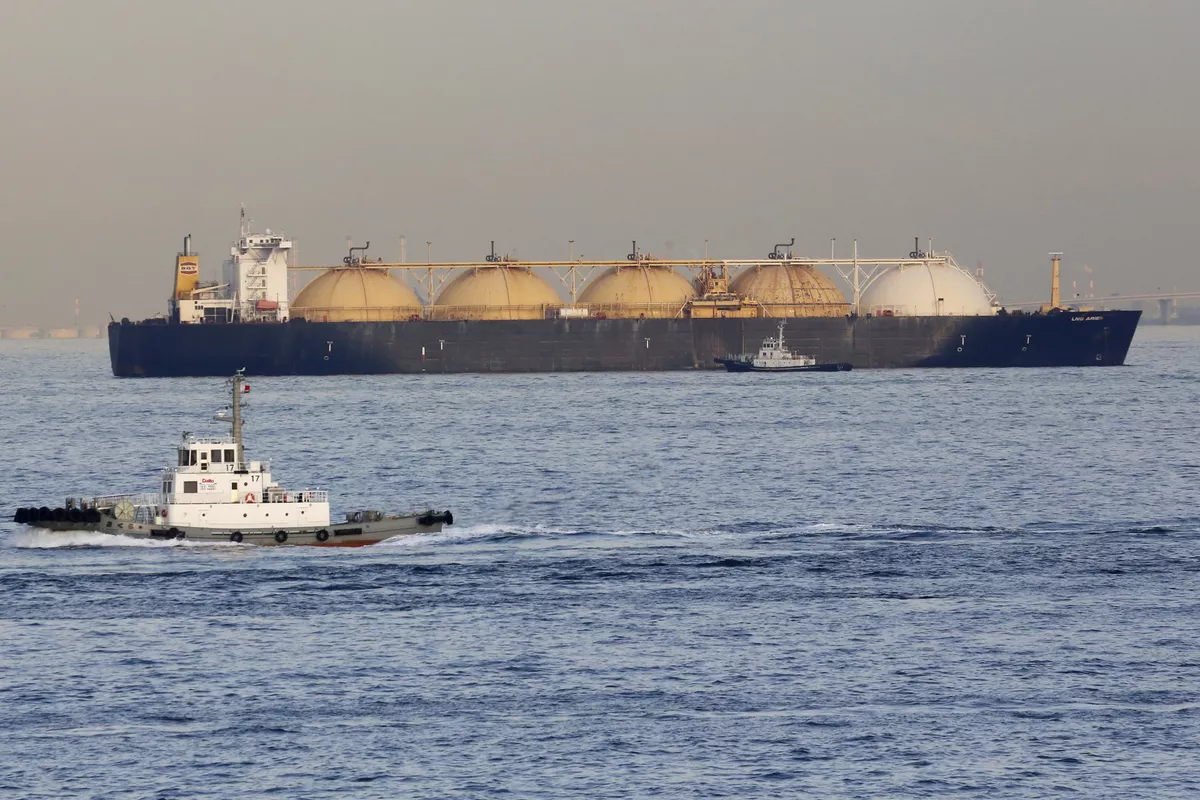
Asian liquefied natural gas (LNG) imports have fallen to their lowest levels in nearly six years as supply disruptions tied to tensions in the Middle East continue to reshape global energy flows.

Recent shipping data shows that LNG deliveries to the region have dropped sharply, reflecting both constrained supply and reduced consumption among key buyers, The Caspian Post reports, citing Bloomberg.

The decline is closely linked to ongoing geopolitical strains involving the United States and Iran, which have disrupted major export routes and affected a significant share of global LNG supply. The situation has been further intensified by security concerns around the Strait of Hormuz, a critical passage for energy shipments, prompting logistical challenges and delays.

Several of Asia’s largest LNG importers are already feeling the impact. Pakistan has not received shipments for weeks following production halts in Qatar, while China and India have both reported notable year-on-year declines in imports. Other major consumers, including Japan and South Korea, are also seeing reduced deliveries, forcing energy providers to adjust strategies.

In response, some countries are turning to alternative energy sources. Japan has begun scaling back output at gas-fired power plants, while South Korea is increasing reliance on coal to offset LNG shortages. These measures highlight the growing pressure on governments to maintain energy stability amid uncertain supply conditions.

Analysts warn that the supply crunch could persist if disruptions in the Middle East continue, raising broader concerns about energy security and price volatility across the region.

Related news

Asian LNG Imports Hit Near Six-Year Low Amid Middle East Supply Crisis

Asian liquefied natural gas (LNG) imports have fallen to their lowest levels in nearly six years as supply disruptions tied to tensions in the Middle East continue to reshape global energy flows.