How Ukraine's Drone Attacks Pushed Russia’s Oil Refining to 2005 Levels
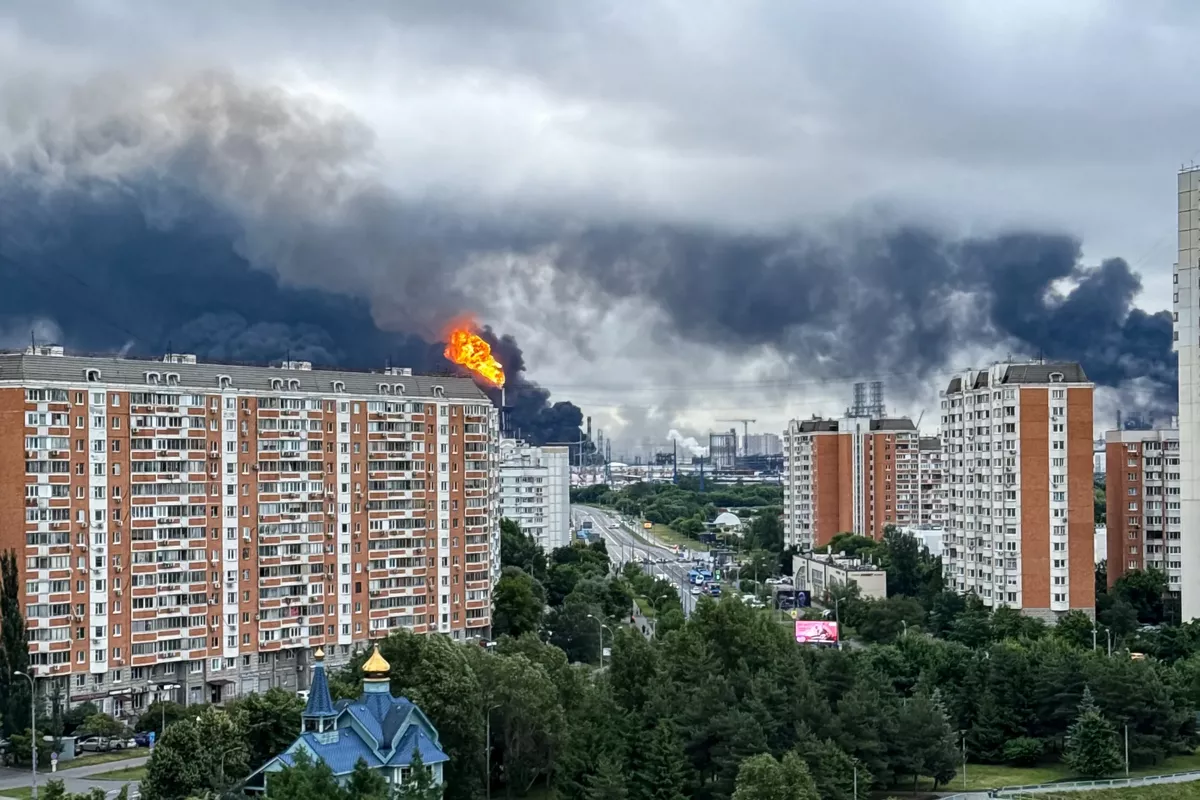
Russia’s oil refining industry has experienced a sharp decline in recent months, with refinery operations falling to levels not seen in two decades. The drop has been driven by a series of Ukrainian drone attacks on Russian energy infrastructure, which have disrupted operations at major refineries across the country.
In July, Russian refineries reduced their total processing capacity to 3.91 million barrels per day (bpd), the lowest level since 2005, according to Bloomberg, which cited data from EA Analytics.
The decline reflects growing pressure on Russia’s refining sector throughout the year. Compared with June, July refining volumes fell by 40,000 bpd. The decrease was much larger compared with May, when refining capacity was 673,000 bpd higher. Since the start of the year, Russia’s total refining capacity has dropped by 1.445 million bpd.
The reduction has also significantly affected refinery utilization rates. Compared with the same period a year earlier, refinery utilization in July declined by 27%, equal to a decrease of 1.424 million bpd. Compared with July 2021, utilization was down by 30%, or 1.649 million bpd.
Why has Russia’s refining capacity declined?
The main factor behind the decline has been repeated attacks on Russia’s oil processing facilities. Over the past 100 days, Ukrainian drones have targeted Russian refineries approximately 50 times, according to Bloomberg.
The strikes have damaged at least 24 of Russia’s 34 largest refineries, affecting facilities responsible for turning crude oil into finished petroleum products such as gasoline, diesel, and other fuels.
Although Russia remains one of the world’s largest crude oil producers, its ability to supply refined fuel depends on the performance of its refinery network. When refineries are damaged or forced to reduce operations, the country can continue producing crude oil but may face difficulties converting that oil into usable fuel products.
Repairing refinery equipment can also be a complex and time-consuming process. Large processing units require specialized machinery, technical expertise, and careful safety checks before they can return to full operation. As a result, even temporary damage can lead to prolonged reductions in output.
How far have the attacks reached?
The attacks have expanded beyond areas close to Ukraine’s border, demonstrating the increasing reach of drone operations against Russia’s energy infrastructure.
Bloomberg reported that Ukrainian strikes have affected refineries not only in central Russia but also in regions beyond the Ural Mountains. One of the facilities targeted was the Omsk Oil Refinery, located approximately 2,500 kilometers from the Ukrainian border.
The ability to reach distant energy facilities has increased pressure on Russia’s oil sector by creating additional security challenges for refineries located far from active combat zones.
Why are refineries strategically important?
Refineries are a critical part of any major oil-producing country’s energy system. While crude oil extraction generates the raw material, refining determines how much gasoline, diesel, and other petroleum products can be supplied to domestic consumers and international markets.
For Russia, refined petroleum products are an important part of both domestic economic activity and energy exports. Disruptions at refineries can affect transportation, industrial operations, and fuel availability, while also reducing the amount of higher-value products that can be sold abroad.
A prolonged decline in refining capacity could increase pressure on Russia’s fuel market, potentially requiring greater reliance on alternative supply arrangements or additional measures to maintain domestic availability.
What does the decline mean for Russia’s oil sector?
The fall in refining capacity highlights a growing vulnerability in Russia’s energy infrastructure. Despite its large oil reserves and continued crude production, damage to processing facilities can limit the country’s ability to fully utilize its oil resources.
The decline to 3.91 million barrels per day represents the lowest level of Russian refining activity in nearly 20 years. The continued impact of refinery attacks will depend on the pace of repairs, the ability of facilities to resume normal operations, and whether further strikes disrupt additional parts of the country’s energy network.
For now, Russia’s refining sector is facing one of its most significant operational challenges in decades, with infrastructure attacks adding new pressure to an industry that remains central to the country’s economy.