Rosatom to Reduce Stake in Turkish Nuclear Project
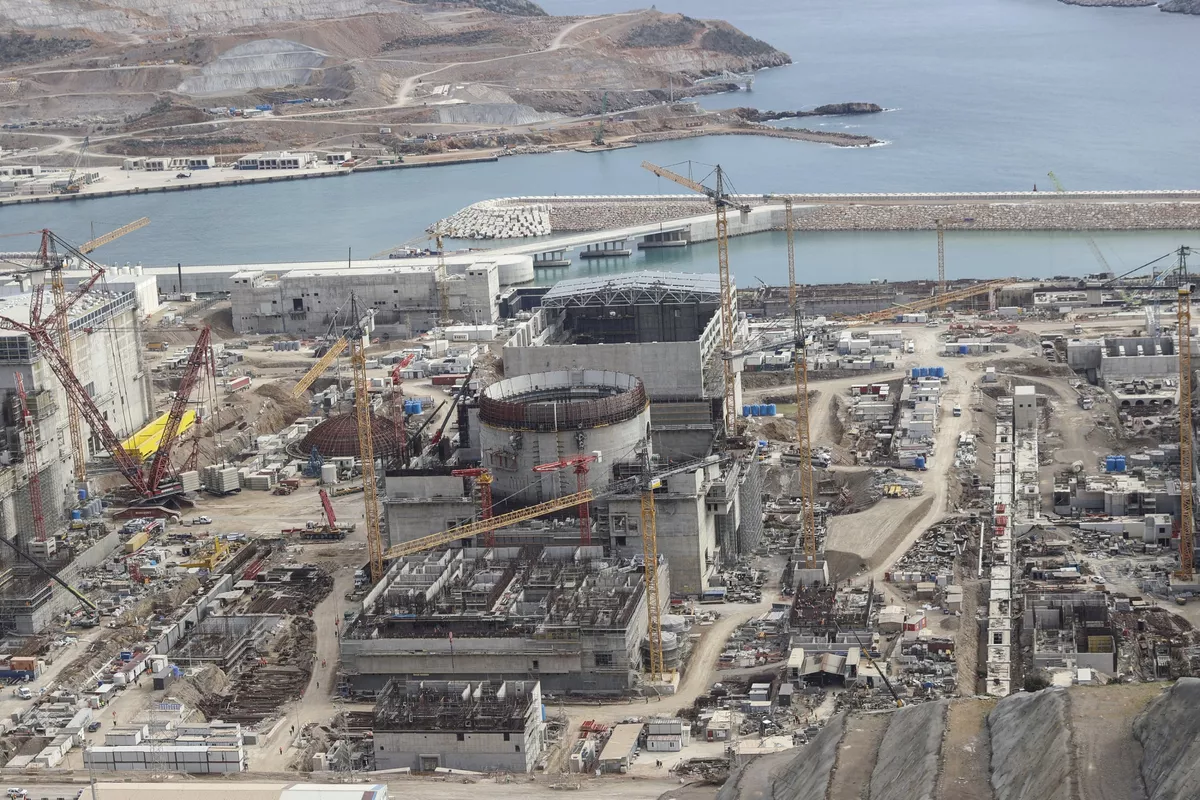
Russian nuclear energy company Rosatom is seeking Turkish partners for its multibillion-dollar power station project on Turkey’s southern coast.
Russian nuclear energy company Rosatom is looking for Turkish partners in its multibillion-dollar power station development on Turkey’s southern coast, The Caspian Post reports, citing foreign media.
The state-owned corporation said it is holding “substantive talks” with potential investors to buy into the much-delayed project.
Rosatom director-general Alexey Likhachev said the corporation was in discussions with a number of Turkish companies on terms and conditions for their taking a stake in the $20 billion Akkuyu project to build and operate a four-reactor power station, with a total output of 4,800 megawatts (MW).
“There is currently strong interest among Turkish companies in entering the share capital of this project,” he told media last week.
Under its agreement with the Turkish government to develop the power station, originally brokered in 2011, Rosatom can divest up to 49 percent of its holdings in the project to Turkish partners.
Akkuyu had local stakeholders in the past, with three leading corporations - Cengiz, Kolin and Kalyon - part of the consortium to build and operate the plant, but all three withdrew in 2018 over a dispute with Rosatom over the terms of their commercial partnership with the Russian company.
The terms of any new partnership may again deter domestic investors, Oğuzhan Akyener, president of the Turkey Energy Strategies and Policy Research Centre, told AGBI.
“Holding a 30 percent share of Akkuyu does not mean you are a part of the decision-making process, the operator will continue being Rosatom,” he said.
However, Akyener said it is vital for Turkish companies to be involved in the development and operation of Akkuyu, if only as part of a learning curve.
“This process is quite important to gain experience step by step since Turkey has the need to build many more Akkuyus in the future.”
Plans released last year by the Turkish energy ministry foresee at least three more large nuclear plants, each with a similar capacity to Akkuyu, and the potential development of smaller stand-alone modular reactors able to generate 1,200MW each.
Turkey’s leaders will however hope that the roll-out of new projects goes more smoothly than that of Akkuyu, which has been plagued with delays, due to Covid, and sanctions imposed on Russia after its invasion of Ukraine that resulted in funds frozen and Germany blocking the sale of key technology.
The scheduled start-up for the first reactor has been pushed back from 2023 to late this year, with the other three reactors scheduled to go online by 2028.
Having a nuclear energy industry is increasingly important for Turkey, according to Altuğ Karataş, general manager of energy efficiency consultancy VAT Enerji and board member of the Independent Industrialists and Businessmen’s Association.
“Nuclear is a part of Turkey’s strategy over the past 10 years to diversify its energy sources, be they domestic or imported,” he told AGBI.
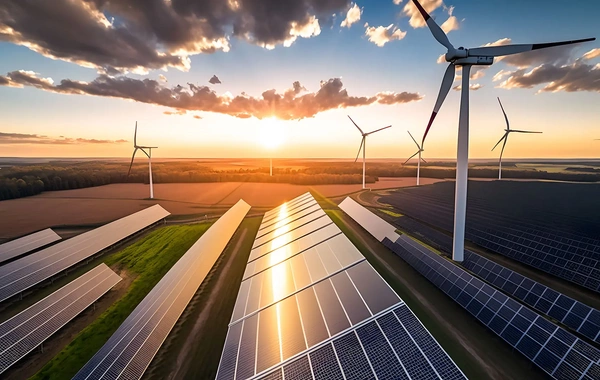
While Turkey has pushed to develop its renewable energy capacity, generation output can at times be unbalanced, he said, while nuclear power produces 24-7 for 365 days a year.
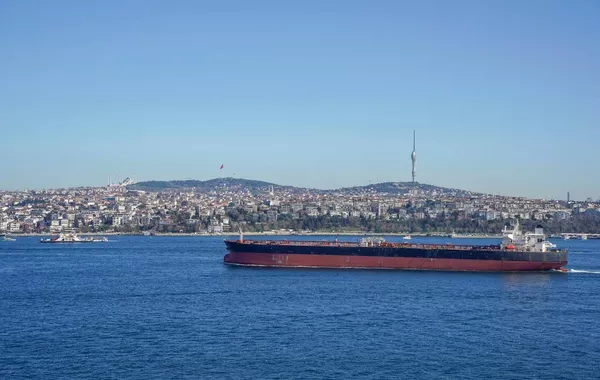
Along with guaranteed supply, nuclear capability will also boost energy security, not being subject to disruptions to supply chains as seen in the Gulf conflict, provide sustainability and low-carbon power, while supporting Turkey’s development of AI, Karataş said.
“The power demand for AI will increase rapidly and as a constant source of power, nuclear comes into play.”