What’s Behind Russia’s Sharp Drop in Oil Production
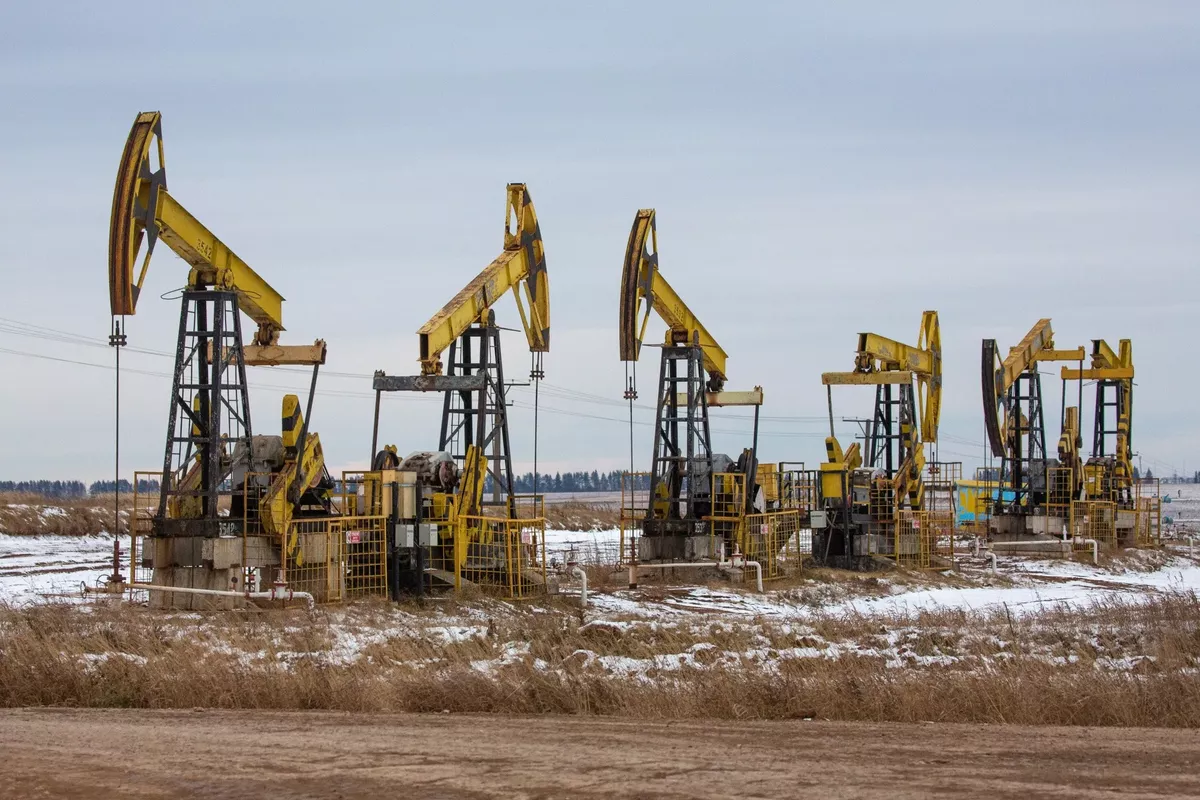
Russia has been compelled to scale back oil production in April following a series of Ukrainian drone strikes targeting key ports and refineries, alongside a suspension of crude supplies through the last remaining Russian oil pipeline to Europe, according to five sources and Reuters estimates, The Caspian Post reports.
In what could mark the steepest monthly decline in Russian oil output in the six years since the COVID-19 pandemic, production may have fallen by roughly 300,000 to 400,000 barrels per day in April compared with average levels recorded earlier in the year, the sources said, speaking on condition of anonymity.
Oil, largely extracted from fields in the Western Siberian basin, remains central to Russia’s $3 trillion economy, meaning any reduction in output directly affects revenues for the world’s second-largest oil exporter.
However, the impact of these losses may be partially offset by rising prices linked to the Iran war, which has sparked a broader supply and production crunch in global oil markets. Russia’s Finance Minister Anton Siluanov stated last Thursday that elevated oil prices could help narrow the country’s budget deficit.
In recent weeks, Ukraine has intensified drone attacks on major Russian oil infrastructure, setting off large fires at key western ports and striking refinery facilities.
“Given the continued attacks on Russian ports and refineries, it will be difficult to market oil without reducing production, particularly with seasonal spring maintenance shutdowns approaching,” one source told Reuters, citing the sensitivity of the situation.
Russia stopped publishing detailed oil production data shortly after launching its war in Ukraine in 2022, citing national security concerns. The country’s energy ministry declined to comment on the situation.
Historically, Russian oil output peaked in the late 1980s before plunging after the Soviet Union’s collapse in 1991 due to underinvestment. Production later rebounded throughout the 2000s and 2010s, reaching a post-Soviet high in 2019, just before the COVID-19 pandemic.
Based on Reuters calculations and source estimates, April’s production drop represents a decline of between 500,000 and 600,000 barrels per day compared with levels seen in late 2025. However, a single month’s decline does not necessarily indicate a sustained annual decrease.
Ukraine has increasingly targeted Russia’s critical energy infrastructure-which contributes about a quarter of the country’s budget revenues-in an effort to weaken its war economy.
According to Russia’s state-run RIA Novosti news agency, the country intercepted 11,211 Ukrainian drones in March, nearly double the number reported in February.
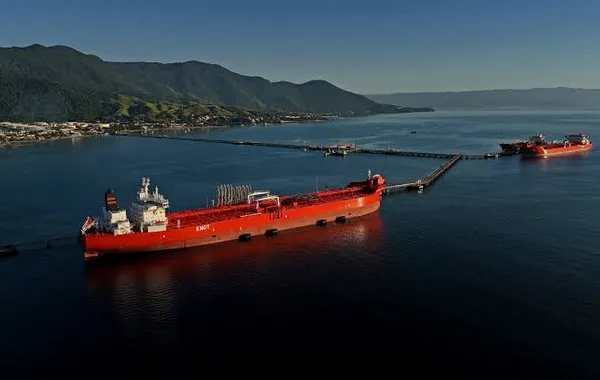
Strikes have repeatedly affected Baltic Sea ports such as Ust-Luga and Primorsk, as well as the Black Sea port of Novorossiysk, which serve as Russia’s primary western oil export hubs.
Refineries have also come under attack, and over the weekend Ukraine reportedly struck the Baltic Sea port of Vysotsk as well.
Further complicating exports, oil flows through the Druzhba pipeline to Hungary and Slovakia via Ukrainian territory have remained suspended since infrastructure damage sustained at the end of January.
The Paris-based International Energy Agency (IEA), which advises industrialized nations, has lowered its forecast for Russia’s oil supply by 120,000 barrels per day for the remainder of the year, citing ongoing disruptions to refinery operations and port infrastructure.
The agency warned that Russia may face difficulties increasing production beyond early first-quarter levels in the near term due to the extent of damage to its energy and export infrastructure.
IEA data shows Russian crude output rose to 8.96 million barrels per day in March, up from 8.67 million barrels per day in February.
Meanwhile, the Organization of the Petroleum Exporting Countries (OPEC) estimated that Russia’s oil production remained broadly steady in March at 9.167 million barrels per day.