Georgia’s Speaker Labels UK MP ‘Corrupt’ Over Iran Influence
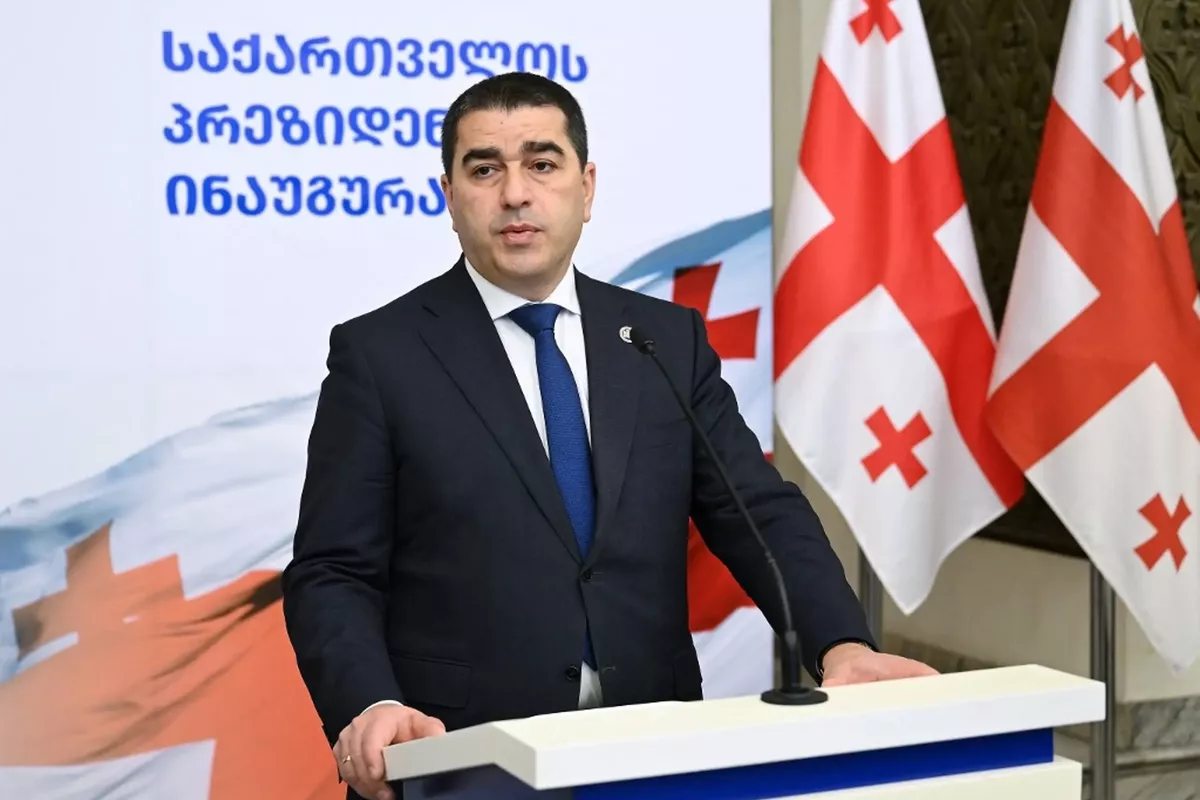
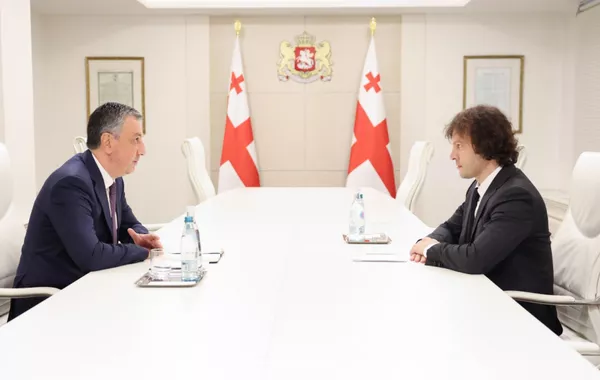
Shalva Papuashvili, the Speaker of Georgia's controversial parliament, has sparked a new diplomatic dispute with London by unfoundedly accusing a British Member of Parliament of being "corrupt," after the lawmaker warned that Georgia is becoming a "back door" for the Iranian regime.
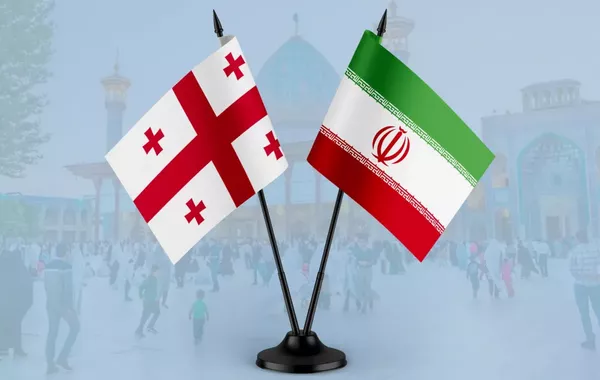
The verbal assault follows a Feb. 3 session in the UK House of Commons, where Conservative MP Mark Pritchard raised the alarm over a massive influx of Iranian shell companies in Georgia - a development that threatens to undermine global sanctions against Tehran, The Caspian Post reports, citing foreign media.
The “Back Door” to The Black Sea
During the UK parliamentary debate, Pritchard highlighted a suspicious concentration of Iranian business interests in Georgia. He pointed to reports of over 13,000 Iranian companies registered in the country, noting that in one instance, 700 companies were registered to a single building in a small village.
“There is a potential for sanctions violation and evasion; this money feeds the Iranian regime,” Pritchard warned, asking the Foreign Secretary to investigate whether Georgia is being used as a “back door” to the Black Sea for the IRGC-linked capital.
Minister Falconer, while declining to comment on specific future sanctions, noted that Iran’s influence is “harmful in most cases” and urged all allies to exercise “extreme caution” in their dealings with Tehran.
“Hope they bought a nice dinner”
Papuashvili, a key figure in the ruling Georgian Dream party, responded with the high-octane, anti-Western rhetoric that has become the hallmark of the current Tbilisi administration. Instead of addressing the data, he pivoted to personal insults.
“I hope they took enough money to have a good dinner, buy something for their families... they are corrupt,” Papuashvili told reporters. “Bravo to them for selling such meaningless statements. I hope they sold them profitably.”
The rhetoric mirrors the aggressive, anti-Western “Global War Party” narrative frequently deployed by Tbilisi to dismiss Western oversight.
Ghost Companies and IRGC Links
The controversy is backed by local investigative reports. According to Radio Liberty, thousands of Iranian firms exist on paper in Georgia with no physical presence. In the tiny village of Dunta, which has a population of only 100 people, approximately 800 Iranian companies are officially registered.
The threat of sanctions evasion is not new for Tbilisi. As early as 2013, The Wall Street Journal reported that the Islamic Revolutionary Guard Corps (IRGC) had established over 100 front companies in Georgia.
Iran remains a primary supplier of “Shahed” loitering munitions to Russia, while the Georgian government has been repeatedly accused by Ukrainian officials of helping Moscow bypass Western sanctions.
If Georgia is indeed serving as a financial hub for the IRGC, it represents a significant leak in the global effort to stifle the military capabilities of the world’s revisionist regimes.