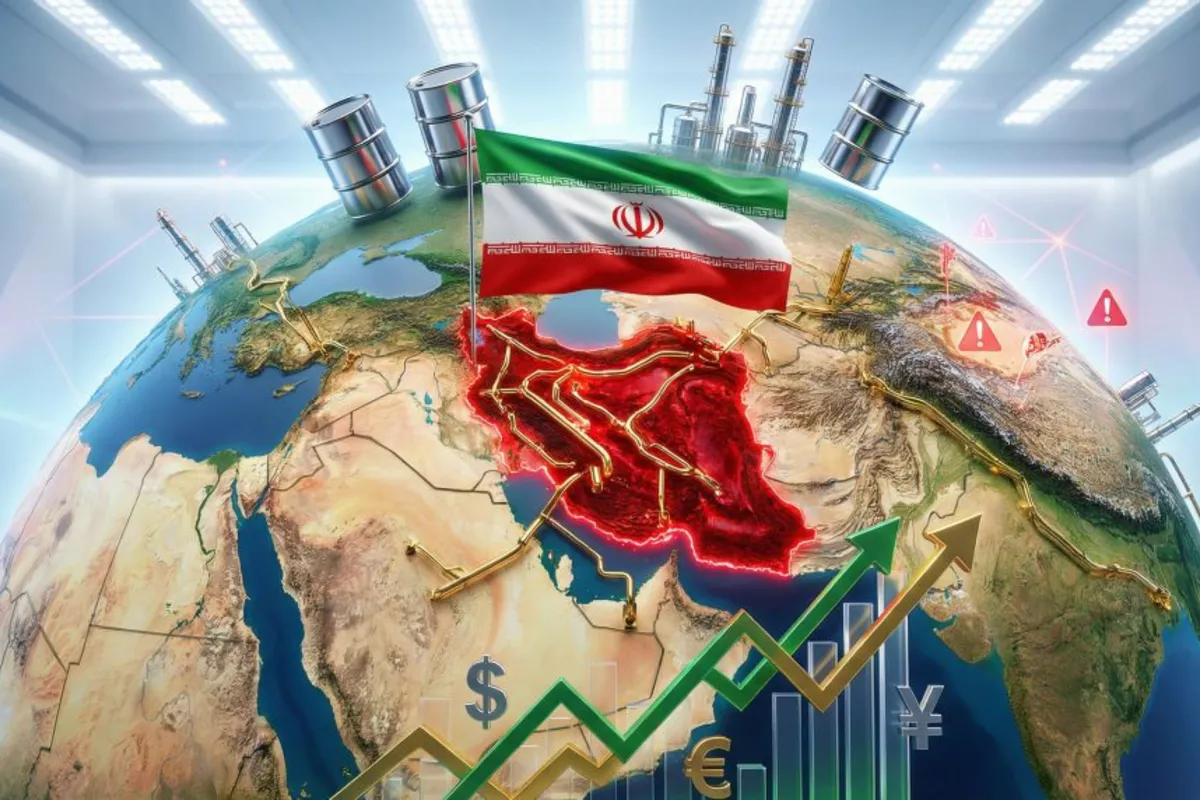
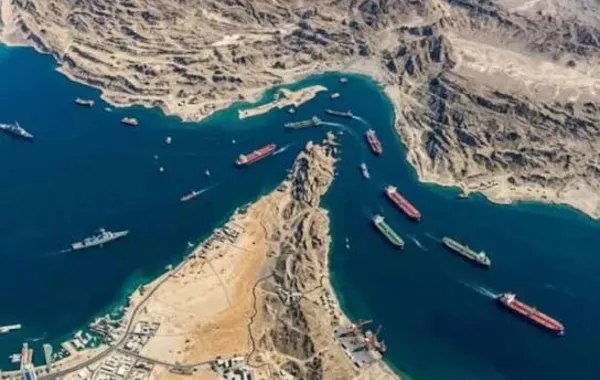
The ongoing conflict in Iran has fundamentally altered the global energy landscape.
That’s what J.P. Hanson, Managing Director and Global Head of the Oil & Gas Group at global investment bank Houlihan Lokey, said in a statement sent to Rigzone on Tuesday, adding that the clash has created a 14 million barrel a day gap in supply.
“The market now faces an aggregate billion barrel deficit, compounded by drained strategic reserves and limited capacity to replace lost volumes,” Lokey said in the statement.
“Yet, looking at the forward curve, the broader market is treating this primarily as a short-term disruption,” he added.
In the statement, Lokey noted that a stark disconnect exists in how long-term realities are being priced.
“Paper versus physical oil trade has surged to 60 times - double the March 2020 peak - indicating that capital is taking significant positions, but almost exclusively on the near term,” he said.
“The 2027 and 2028 forward curves do not fully account for the physical and logistical challenges of normalizing Strait of Hormuz flows or restarting shut-in Middle Eastern production,” he added.
For the upstream sector, this pricing dislocation has shaped a highly compelling seller’s market, Lokey noted in the statement.
“Before the conflict temporarily paused activity, global M&A was already surging to exceed 20 year averages,” he highlighted.
“Today, over $40 billion in dedicated oil and gas capital raised in the past twelve months is actively seeking deployment,” he added.
“Private equity sponsors are stepping in, calculating that the forward strip is mispriced and moving to secure advantageous entry points,” he continued.
Looking at operators, Lokey said in his statement that the strategic rationale is clear.
“Producers constrained by legacy hedges have little incentive to hold assets and produce at capped values,” he said.
“By transacting in a market characterized by strong buyer demand and supportive spot valuations, operators can exit at attractive valuations, monetize their hedges and capture immediate upside in value,” he added.
“With an estimated $30 billion in assets preparing to launch in market, the second half of 2026 is poised for sustained activity,” he continued.
“For operators considering a strategic exit, current market dynamics offer a rare and highly favorable window to transact,” he went on to state.
Crude Oil Market
In a market analysis sent to Rigzone on Wednesday, Naeem Aslam, CIO at Zaye Capital Markets, highlighted that the crude oil price was easing after a three day rally, but added that the move looked “more like profit-taking than a collapse in the oil trend”.
“At Zaye Capital Markets, we see oil being driven by a tug of war between geopolitical supply risk and demand caution,” Aslam said in the analysis.
“The latest market reports show prices slipped as traders assessed the fragile Iran ceasefire and President Trump’s trip to China, but the supply risk premium remains alive because any escalation around Iran or the Strait of Hormuz can quickly tighten global energy flows,” he added.
“President Trump’s comments are directly feeding into oil price volatility because they touch the two areas crude traders care about most: war risk and global supply routes,” he continued.
“His remarks on Iran, the fragile ceasefire, China talks, and global oil markets keep traders alert to possible disruption in Middle East energy supply,” he said.
Aslam noted in the analysis that oil can rise when the market believes conflict may threaten shipping, exports, refineries, or insurance costs. He added that oil can fall when traders believe diplomacy may hold and supply can keep moving.
“This is why crude is moving up and down rather than trending in one clean direction,” he pointed out.
In another analysis sent to Rigzone today, Tamas Varga, analyst at PVM Oil Associates, which is part of the TP ICAP Group, said the risk of renewed tension sent crude oil prices “significantly higher yesterday” but added that “some of these gains are being given back this morning ahead of President Trump’s visit to China”.
“Supply remains severely constrained, yet it is only prudent to draw attention to the demand side of the oil balance, too,” Varga said in the analysis.
“Economic turbulence, precipitated by the 10 week stand-off between the adversaries, is intensifying with each passing day that oil remains expensive,” Varga added.
“Since energy impacts every aspect of life, the bigger than expected rise of 3.8 percent in U.S. consumer prices last month serves as an ominous warning signal that the longer the conflict lasts, the greater the damage will be,” Varga continued.
“Consumers will spend less, manufacturing will become more costly, and central banks will be forced to make borrowing an increasingly unattractive option by raising rates,” Varga went on to warn.
In the analysis, Varga said supply destruction “is still the predominant force in the formation of oil prices”, and warned that, “in the case of a serious escalation, new year to date highs remain more than a realistic possibility”.
See the original article here