Iran Conflict Boosts Profits for Energy, Banking, and Defense Sectors
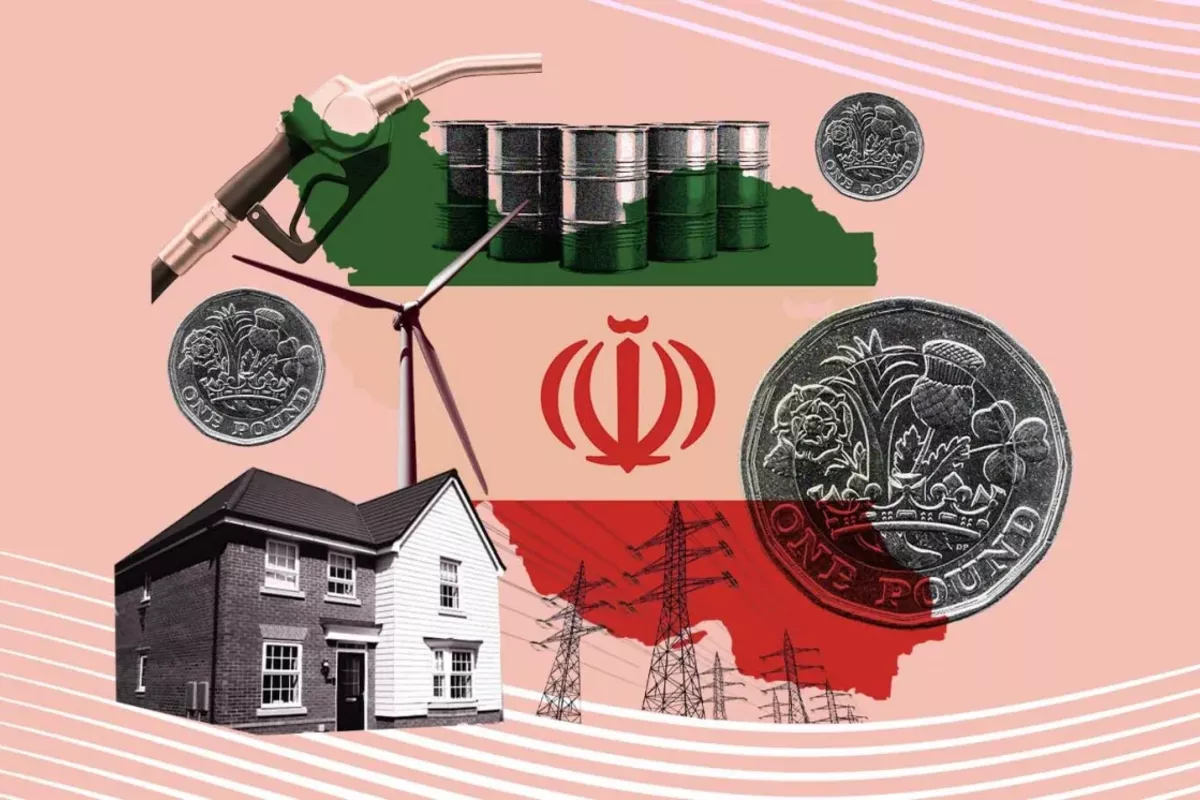
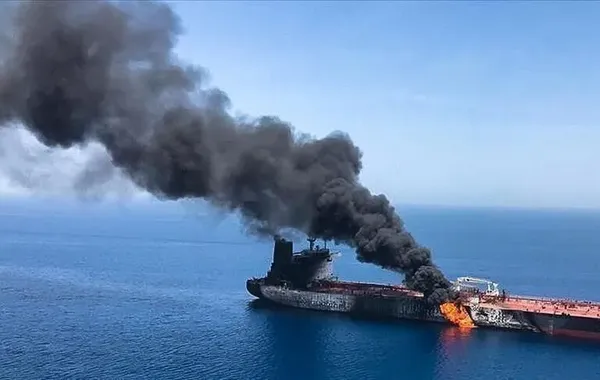
The US-Israel conflict with Iran has generated substantial profits for leading oil, banking, and defense firms, while the fighting and Iran’s de facto closure of the Strait of Hormuz are raising costs for households, governments, and businesses globally.
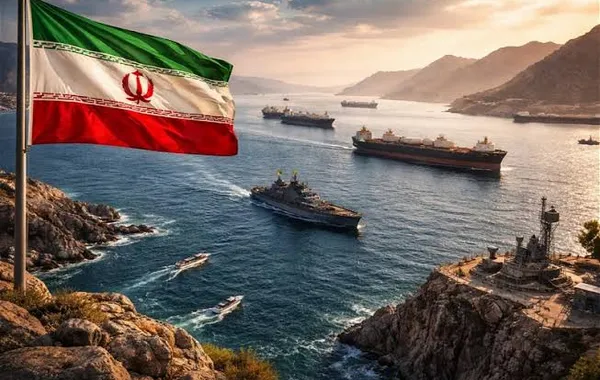
The largest gains have come in energy markets, where disruption to shipments through the Strait of Hormuz, a route for about a fifth of the world’s oil and gas, has sent prices swinging sharply, The Caspian Post reports, citing BBC.
European oil majors have benefited most because of their large trading arms, which profit from volatility.
BP’s first-quarter profits more than doubled to $3.2 billion after what it called an “exceptional” performance in trading, while Shell reported profits of $6.92 billion and TotalEnergies posted a nearly one-third rise to $5.4 billion.
US oil giants ExxonMobil and Chevron reported lower earnings than a year earlier because of supply disruptions from the Middle East, but both still beat analysts’ forecasts and expect stronger profits as oil prices remain well above prewar levels.
Major banks have also gained from market turbulence caused by the Iran war.
JP Morgan’s trading arm reported a record $11.6 billion in revenue in the first quarter, helping deliver the bank’s second-biggest quarterly profit. Across the six largest US banks, profits reached $47.7 billion in the first three months of 2026.
Defense companies have also benefited as the war pushes governments to restock weapons and expand investment in air defense, missile defense, counter-drone systems and other military hardware.
BAE Systems - a major British supplier of fighter jet components, naval systems and military technology - said it expects strong sales and profit growth this year, citing rising global security threats and increased defense spending. Lockheed Martin, Boeing and Northrop Grumman each reported record order backlogs at the end of the first quarter.
The war has also boosted parts of the renewable energy sector, as higher fuel prices and energy insecurity accelerate interest in alternatives.
NextEra Energy shares have risen 17% this year, while Vestas and Orsted reported stronger profits. In the UK, Octopus Energy said solar panel sales had risen 50% since the end of February.
Over 27,000 workers at the Mobarakeh Steel Company - Iran's largest steel producer - remain in limbo following missile strikes that have paralyzed production at the sprawling Isfahan complex, according to the news site Rouydad24.
The facility, including a power substation and an alloy steel production line, was hit twice during Israeli-US attacks earlier this year, causing major disruptions to production and operations at the complex.
The report said only about 2,000 employees - mainly management and administrative staff - have returned to the site since the attacks during the war involving Iran, the US and Israel that began in late February.
Many workers have reported a sharp drop in income. Specialized technical staff who previously earned more than 100 million tomans a month - about 1 billion rials, or roughly $568 - are now receiving wages close to the legal minimum, around one-fifth of their previous pay, according to the report.
The pay cuts come as management seeks state support and unemployment insurance. Workers told Rouydad24 they fear these reduced wage calculations will permanently lower their future insurance benefits if formal mass layoffs are eventually finalized.
From Steel Production to the Gig Economy
With production lines largely inactive, a labor exodus is underway. Many former steelworkers in Isfahan have turned to driving for ride-hailing platforms to survive, while others have migrated to factories in Yazd and Khorasan provinces in search of steady work.
The uncertainty has triggered a surge in online job-seeking channels specifically for former Mobarakeh project workers. This shift highlights a deepening labor crisis in a sector that was already struggling with skilled worker emigration before the conflict began.
Mobarakeh Steel is one of Iran’s most strategic and profitable assets, and experts warn the fallout could destabilize the broader economy. Current estimates suggest it will take at least four years for the facility to return to its pre-war operating capacity.
While the head of the government’s information office insists that salaries for over 30,000 workers are being paid in full, the company’s own public relations office was more cautious, telling Rouydad24 that while they could not confirm specific allegations, "war conditions naturally change everything."