Iran Mulls Toll-Free Access to Hormuz to Break Deadlock
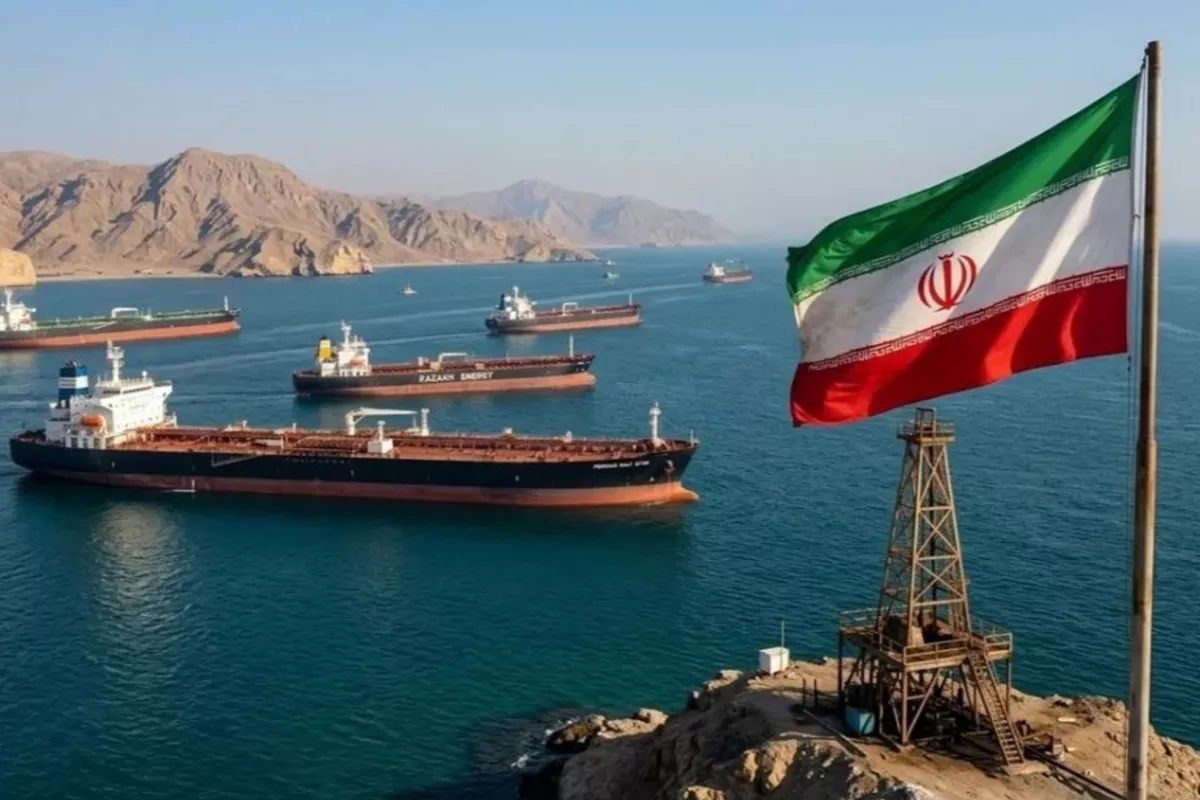
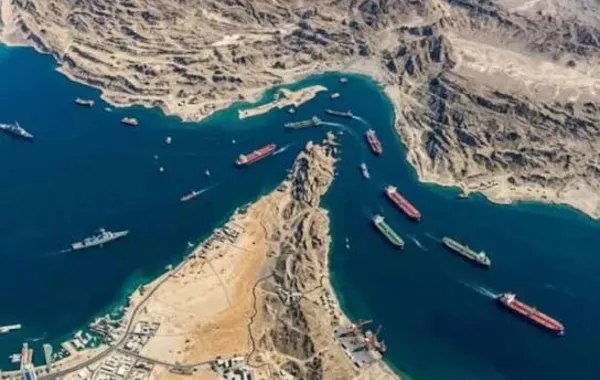
The US blockade of the Strait of Hormuz persisted on Thursday, while Iran intensified its rhetoric regarding the disruption of shipping to its ports.
Iran's military adviser to Supreme Leader Mojtaba Khamenei on Wednesday warned that Tehran would sink American ships in the strait if the US decides to "police" the key shipping bottleneck, The Caspian Post reports, citing foreign media.
"Mr Trump wants to become the police of the Strait of Hormuz. Is this really your job? Is this the job of a powerful army like the US?" Mohsen Rezaei, a former commander-in-chief of Iran's Revolutionary Guards who was named as a military adviser by Khamenei last month, told state TV.
"These ships of yours will be sunk by our first missiles and have created a great danger for the US military. They can definitely be exposed to our missiles and we can destroy them," Rezaei, wearing his military uniform, told the state broadcaster.
Long regarded as a hardliner even within the Revolutionary Guards, Iran's ideological army, Rezaei said it would be "great" if the United States launched a ground invasion of the country, as "we would take thousands of hostages and then for each hostage we would get a billion dollars".
Separately, the commander of Iran's Khatam al-Anbiya Central Headquarters, Maj Gen Ali Abdollahi, warned that Iran would consider the continuation of the US blockade as a ceasefire violation.
Abdollahi said Iran would block "any imports or exports" through the Arabian Gulf, the Gulf of Oman, and the Red Sea if the blockade is not lifted.
US Central Command (CENTCOM) said on Wednesday that Iran's trade via sea had been "completely halted", however, Iranian state media reported that a US-sanctioned supertanker had crossed the strait, headed toward the Imam Khomeini Port.
According to data from LSEG and Kpler, the empty Very Large Crude Carrier (VLCC) RHN entered the Gulf on Wednesday.
A day earlier, the US-sanctioned VLCC Alicia passed through the strait without obstruction and is heading towards Iraq, according to Kpler data.
Both the RHN and Alicia are known to carry Iranian oil.
Iran's semi-official Fars news agency declared the blockade "broken".
Washington Increases Pressure
The US Treasury Department imposed sanctions on more than two dozen individuals, companies, and vessels on Wednesday, saying it was increasing pressure on Iran's oil transportation infrastructure.
The new sanctions target the Iranian oil shipping magnate Mohammad Hossein Shamkhani's network, which was the subject of a previous round of sanctions in July. Shamkhani is the son of Ali Shamkhani, a top Iranian official who was killed on the first day of the US-Israeli strikes in late February.
Meanwhile, the US military is sending an additional 10,000 troops to the Middle East by the end of April, The Washington Post reported.
Iran Proposes Toll-Free Transit
Despite fighting rhetoric from its officials, Tehran is reportedly considering offering toll-free access to the Strait of Hormuz in a bid to break the diplomatic deadlock with the US.
The plan would see ships sail freely through the Omani side of the strait without risk of attack as part of proposals it has offered in negotiations with the US, providing a deal is clinched to prevent renewed conflict, a source briefed by Tehran told Reuters.
The source, who declined to be identified due to the sensitivity of the matter, said Iran could be willing to allow ships to use the other side of the narrow strait in Omani waters without any hindrance from Tehran.
The source did not say whether Iran would also agree to clear any mines it may have placed in that stretch of water or if all ships - even those linked to Israel - would be allowed to pass freely.
But the source added that the proposal hinged on whether Washington was prepared to meet Tehran's demands, a condition that was central to any potential breakthrough on the Strait of Hormuz.
A Western security source said the proposal to allow unhindered shipping through Omani waters had been in the works, although it was not clear if there had been any response from Washington yet.
The proposal would be the first visible step by Tehran to pull back from more combative ideas floated in recent weeks, which included charging ships for passage through the international waterway and imposing sovereignty on the strait - seen by the global shipping industry as unprecedented unilateral steps in breach of maritime conventions.