Iran Strikes Cast Doubt on Trump–Xi Summit
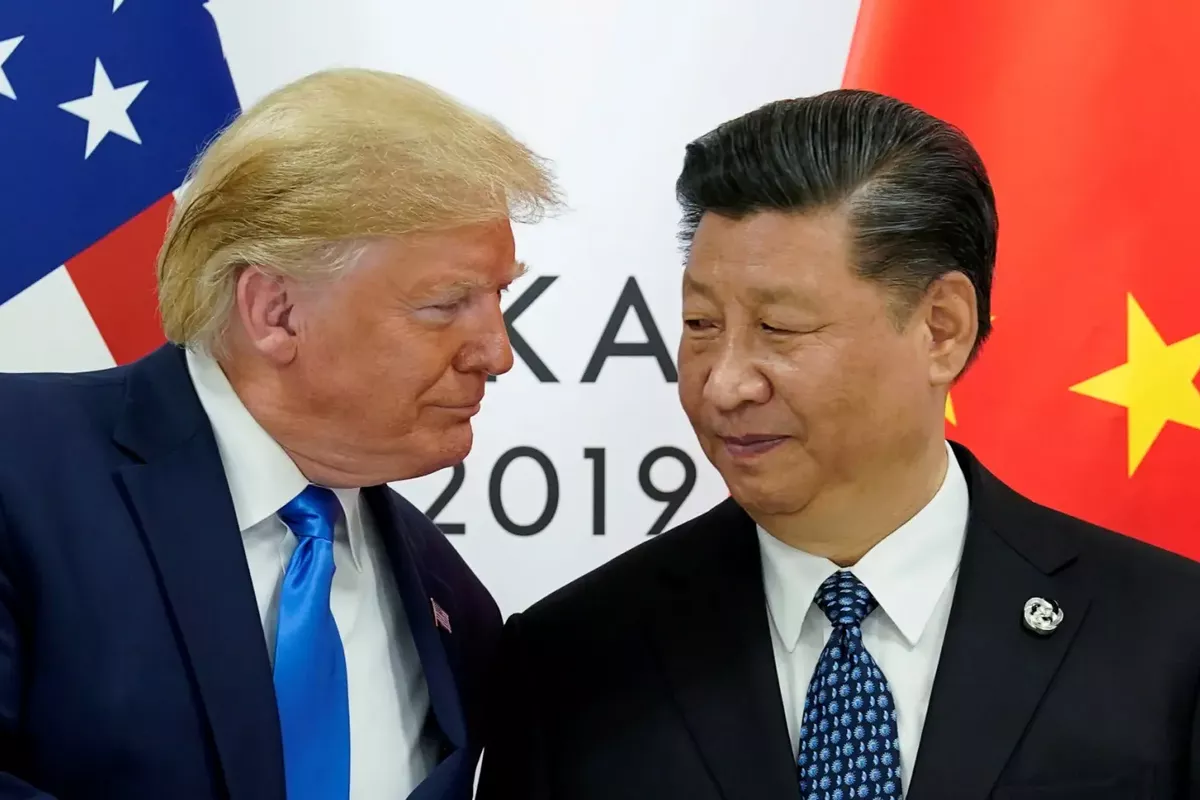
Analysts are divided on whether the forthcoming Trump-Xi meeting will proceed and what leverage each side now holds following US and Israeli airstrikes on Iran.
Minxin Pei, a professor at Claremont McKenna College, told Nikkei Asia the Xinhua commentary likely "reflects an increasingly popular view among China's elites and public that the US cannot be trusted." Pei said he did not expect the US-China summit to be canceled outright but said a postponement is increasingly plausible as tensions rise.
Danny Russel, a former US diplomat and now a distinguished fellow at the Asia Society Policy Institute, argued that Beijing still wants to meet with the US president to keep the US in check and preserve the agreement reached last October in South Korea to hold off on retaliatory actions for a year. However, Russel said Xi could delay if the Iran conflict escalates, per the report.
He added that Trump’s recent actions in Venezuela and Panama are more likely to push Beijing to resist US pressure and align more closely with Russia, undermining prospects for stability in bilateral ties. This latest strike “undermines the prospect of achieving stability or progress in the US-China relationship," he said.
Others contend the strikes scramble assumptions that Trump would arrive in Beijing politically weakened after legal setbacks on tariffs and reports of a delayed Taiwan arms package. Zineb Riboua of the Hudson Institute argued that Operation Epic Fury could ultimately shift the Taiwan equation by preventing the US from being bogged down in Middle East crises.
She suggested the previously delayed Taiwan arms deal could now be reframed as restraint “from a position of strength,” allowing Trump to bargain.
Agatha Kratz, a China expert at Rhodium Group, said that if Beijing cancels the summit, Washington would have less incentive to hold off on the Taiwan arms package. At the same time, she cautioned that the US may avoid triggering a Taiwan Strait crisis while its forces are engaged in the Middle East, per the report.
Kratz also observed that US actions are narrowing China’s network of aligned partners, leaving Russia and North Korea as the most prominent remaining pillars.
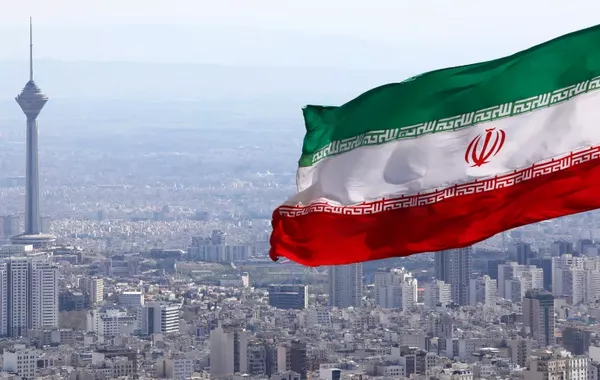
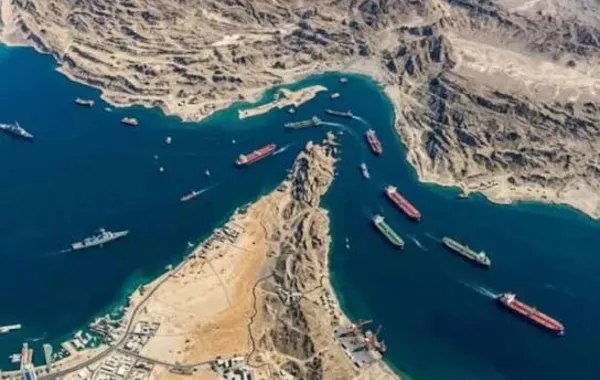
On China’s energy situation, John Gong of the University of International Business and Economics said China has limited room to maneuver. "A closure of the Strait of Hormuz would undoubtedly have a major impact on China, though its significant oil imports from Russia provide some cushion," Gong said.
Ahmed Aboudouh, an associate fellow at Chatham House, argued that China is playing a “long game” in Iran, cautioning that claims Beijing has suffered major strategic losses from recent US strikes should be “taken with a grain of salt.” While China’s limited response may raise doubts about its reliability in the Global South, Aboudouh said few countries realistically expect Beijing to confront Washington militarily. “They are not delusional. They don’t expect China to stand up to the US militarily,” he told Nikkei Asia.
He suggested that any reputational damage to China may be temporary, while the Trump administration risks greater long-term costs by “making the use of force and ignoring international law the new normal in international politics.” Aboudouh also warned the killing of Iran’s supreme leader could “harden” the country against the US and Israel for generations, potentially making “China’s job of increasing Iran’s reliance on it much easier."