How Kazakhstan's New Law Will Regulate Air Taxis and Drones
Kazakhstan has taken a major step toward integrating next-generation aviation technologies by adopting a new legal framework governing air taxis, electric vertical takeoff and landing (eVTOL) aircraft, and unmanned aerial systems.
The legislation is designed to create a regulatory environment for advanced air mobility technologies and position the country among a growing number of nations developing rules for future air transport.
What Has Changed?
On June 24, 2026, President Kassym-Jomart Tokayev signed a law introducing amendments to several legislative acts related to digitalization, personal data protection, road traffic, and advanced transportation technologies.
The amendments update Kazakhstan's Law on the Use of the Airspace of the Republic of Kazakhstan and Aviation Activities, creating a modern legal framework for innovative aviation technologies and their integration into the country's aviation system.
According to Kazakhstan's Civil Aviation Committee, the legislation formally establishes the legal foundation for the country's urban air mobility (UAM) market and places Kazakhstan alongside countries such as the United States, members of the European Union, South Korea, and China, which have already introduced comprehensive regulations for eVTOL aircraft.
What is Advanced Air Mobility?
The new legislation introduces the concept of Advanced Air Mobility (AAM), a category of transportation that includes aircraft designed for short-distance passenger and cargo transport using new technologies.
The law defines two primary segments of AAM:
- Urban Air Mobility (UAM): transportation services operating within cities and metropolitan areas, including air taxi services;
- Regional Air Mobility (RAM): transportation connecting cities and regions over longer distances.
The legal recognition of these categories creates the basis for future commercial operations involving advanced aircraft technologies.
How will Air Taxis be Regulated?
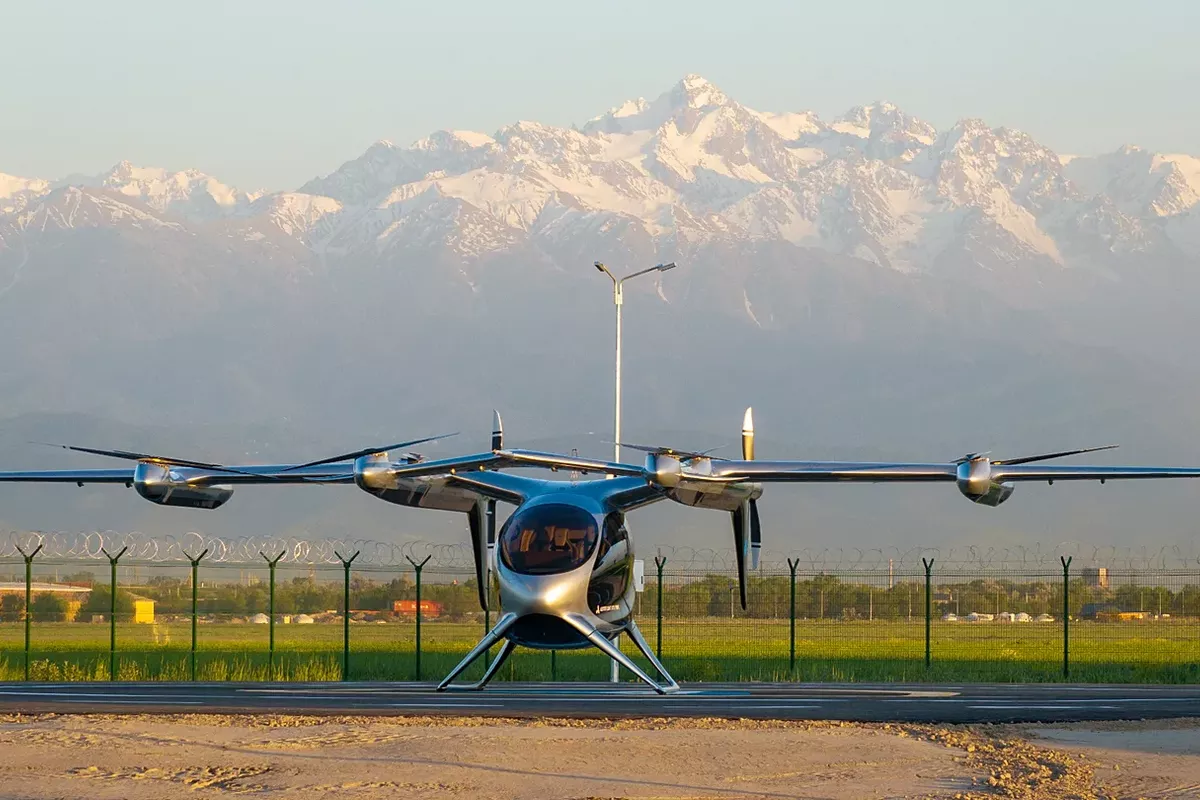
One of the central elements of the legislation is the establishment of a legal framework for electric vertical takeoff and landing aircraft, commonly known as eVTOLs, which are widely viewed as the future of urban air transportation.
The law establishes regulations not only for eVTOL aircraft but also for other aircraft approved for advanced air mobility operations. This creates a legal pathway for companies to develop, test, certify, and operate air taxi services within Kazakhstan.
What are Vertiports?
The legislation also introduces legal recognition for vertiports - specialized facilities designed for the takeoff, landing, charging, and maintenance of eVTOL aircraft.
By granting vertiports official legal status, Kazakhstan has identified them as critical infrastructure for future air mobility networks and established operational requirements governing their construction and use.
What New Certification Rules Have been Introduced?
The amendments establish new certification procedures covering several areas of the advanced aviation sector, including:
- aircraft developers and manufacturers;
- operators of urban air mobility services;
- operators of civil remotely piloted aircraft systems;
- companies involved in advanced aviation technologies.
These certification requirements are intended to ensure safety standards and regulatory oversight as the industry develops.
How will Drones be Managed?
The legislation creates a legal framework for an Unmanned Traffic Management (UTM) system, which will allow authorities to digitally manage unmanned aircraft operations.
The system is expected to support:
- flight coordination;
- information exchange;
- remote identification of aircraft;
- route planning;
- airspace management and deconfliction.
The introduction of a UTM framework is considered a key requirement for the safe integration of large numbers of drones into national airspace.
What Role does Cybersecurity Play?
The new law also establishes cybersecurity and digital infrastructure requirements for unmanned aircraft operations.
These provisions are designed to protect aviation networks, ensure secure communication systems, and reduce risks associated with cyber threats targeting drone operations and advanced aviation systems.
How will Government Oversight Change?
The amendments strengthen state oversight of civil drone activities by updating rules governing:
- drone registration;
- certification procedures;
- operational requirements;
- flight management and monitoring.
The new regulations aim to create a more comprehensive system of supervision for the rapidly growing unmanned aviation sector.
Why is This Important?
According to Kazakhstan's Civil Aviation Committee, the legislative changes move advanced aviation technologies from an experimental stage into a fully regulated legal environment.
Officials say the framework is intended to create transparent conditions for attracting investment, accelerating technological development, and supporting the growth of Kazakhstan's high-tech aviation sector while preparing the country for the future expansion of air taxis, drones, and other advanced mobility technologies.