Energy Shock: Middle East Escalation Disrupts Global Markets
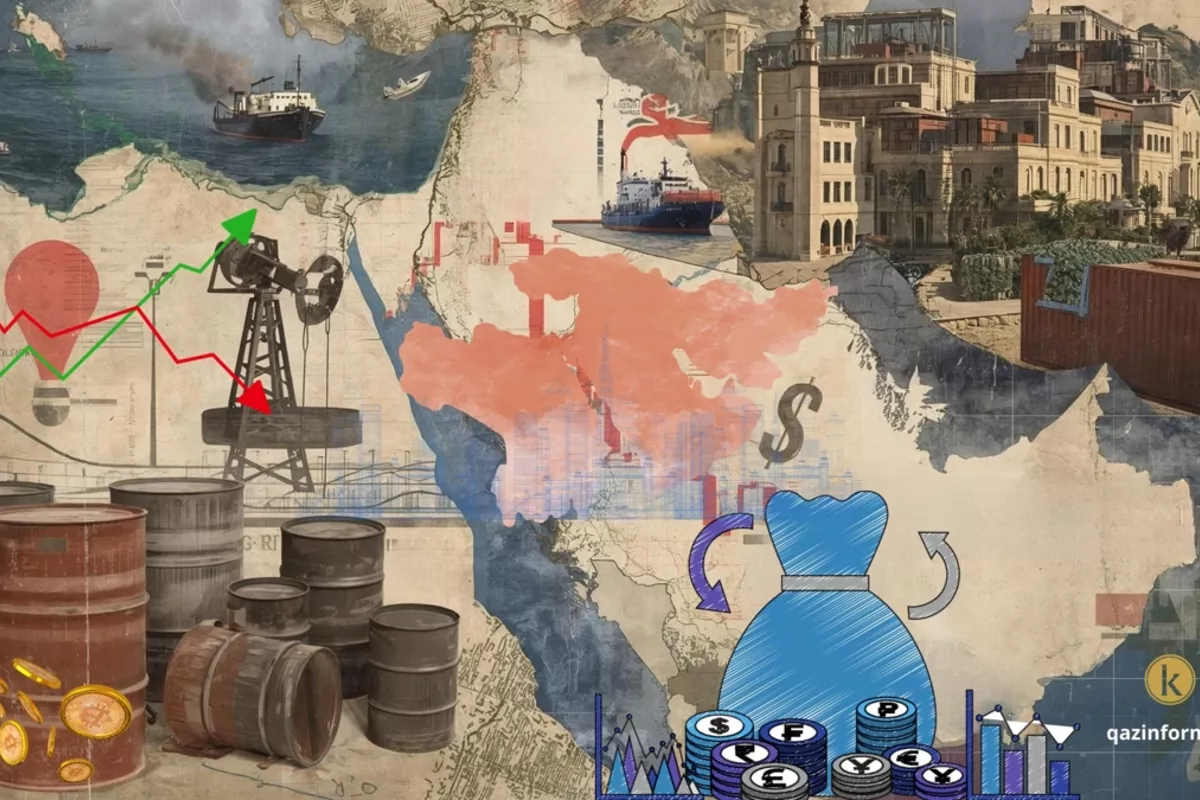
The latest escalation in the Middle East following U.S. and Israeli strikes on Iran has triggered a sharp reaction across global energy markets and trade routes, sending oil and gas prices higher and disrupting supply chains across several regions.
Energy markets were among the first to react. Natural gas prices in the United Kingdom surged by about 93%, reaching their highest level in three years. Analysts warn that if the trend continues, the spike could soon translate into higher household energy bills, The Caspian Post reports via Kazakh media.
Across Europe, gas prices climbed sharply as well. For the first time since January 2023, gas on the European exchange exceeded $750 per 1,000 cubic meters amid disruptions to tanker movements in the Strait of Hormuz. Oil prices followed the same trajectory, with Brent crude briefly surpassing $84 per barrel, its highest level since mid 2024.
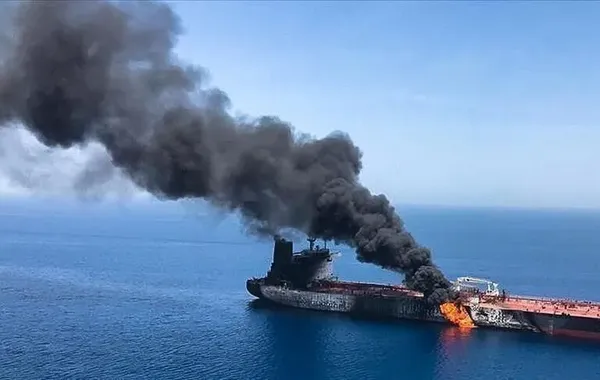
The Strait of Hormuz remains one of the world’s most critical energy chokepoints, carrying roughly 20% of global oil and a similar share of liquefied natural gas. Following the escalation, the Islamic Revolutionary Guard Corps reportedly closed the strait, while several major oil companies and trading houses suspended shipments through the route. At one point, around 150 vessels, including oil and LNG carriers, were waiting at anchor.
The disruption is already spilling into the broader economy. Dubai has reportedly suffered significant financial losses due to the temporary halt of operations at its international airport, one of the busiest aviation hubs in the world. The emirate is losing roughly $1 million per minute while operations remain disrupted.
Industrial production in the Gulf has also been affected. QatarEnergy, the world’s largest liquefied natural gas producer, announced a suspension of gas extraction and halted the production of several petrochemical products, including urea, polymers, methanol, and aluminum.
Crisis Reshapes Trade Routes Toward Central Asia
The economic impact extends far beyond the region. Swedish Pracademic and International Business Strategist Mr. Alex Matrsson warns that the escalation represents a major turning point for global economic stability.
“The current escalation of the U.S.-Iran conflict is a watershed moment for global trade and economic stability,” Mr. Matrsson said.
He noted that Gulf economies, which play a vital role in global energy supply, are already experiencing capital outflows and supply chain disruptions. According to Mr. Matrsson, these pressures are likely to spread across global trade networks, affecting manufacturing, investment, and logistics in Europe, Asia, and emerging markets.
At the same time, the shifting trade landscape could increase the strategic importance of alternative transit corridors. “As global businesses reorganize supply routes, the trade corridors of Central Asia, especially those led by Kazakhstan, become indispensable,” Mr. Matrsson said.
He added that Kazakhstan, the region’s largest economy, is positioning itself as a stabilizing force in a fragile global economic environment.
“In this way, President Kassym-Jomart Tokayev ensures that Kazakhstan is not merely enduring the crisis. It is reinforcing confidence in trade and securing its role as a trusted partner in global trade and diplomacy,” Mr. Matrsson concluded.
Asian stock markets fell sharply on Wednesday (March 4) as investors reacted to the escalating conflict in the Middle East and rising oil prices, heightening concerns over inflationary pressures and the outlook for global economic growth.