Türkiye Introduces Carbon Trading Amid US Tariffs and Energy Shock from Iran War
In early 2026, Türkiye launched a pilot for its national emissions trading system, navigating a challenging global environment marked by U.S. tariffs, evolving EU climate discussions, and an Iran-linked energy crisis.
Experts say the starting price and careful market oversight will determine success. As COP31 host, Türkiye backs green transition not as idealism but “pure economic logic,” The Caspian Post reports, citing Turkish media.
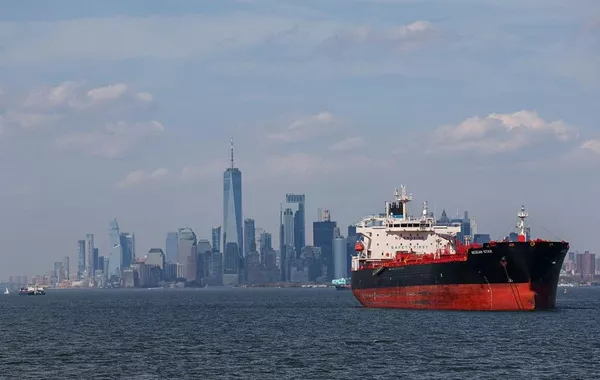
Türkiye has officially entered the pilot phase of its national Emissions Trading System (ETS) in early 2026, a move that reframes climate action as an economic driver rather than a burden on growth. The decision, anchored in the 2025 Climate Law, comes at a time of extreme volatility in global energy markets. Following Iran’s closure of the Strait of Hormuz on March 1-triggered by retaliatory strikes against US-Israeli operations-oil prices surged from $72 to $119 per barrel. Although a subsequent ceasefire has lowered prices, energy costs remain above pre-war levels, fueling inflation and reigniting debate over the economic toll of climate mandates.
EU Carbon Market Under Fire
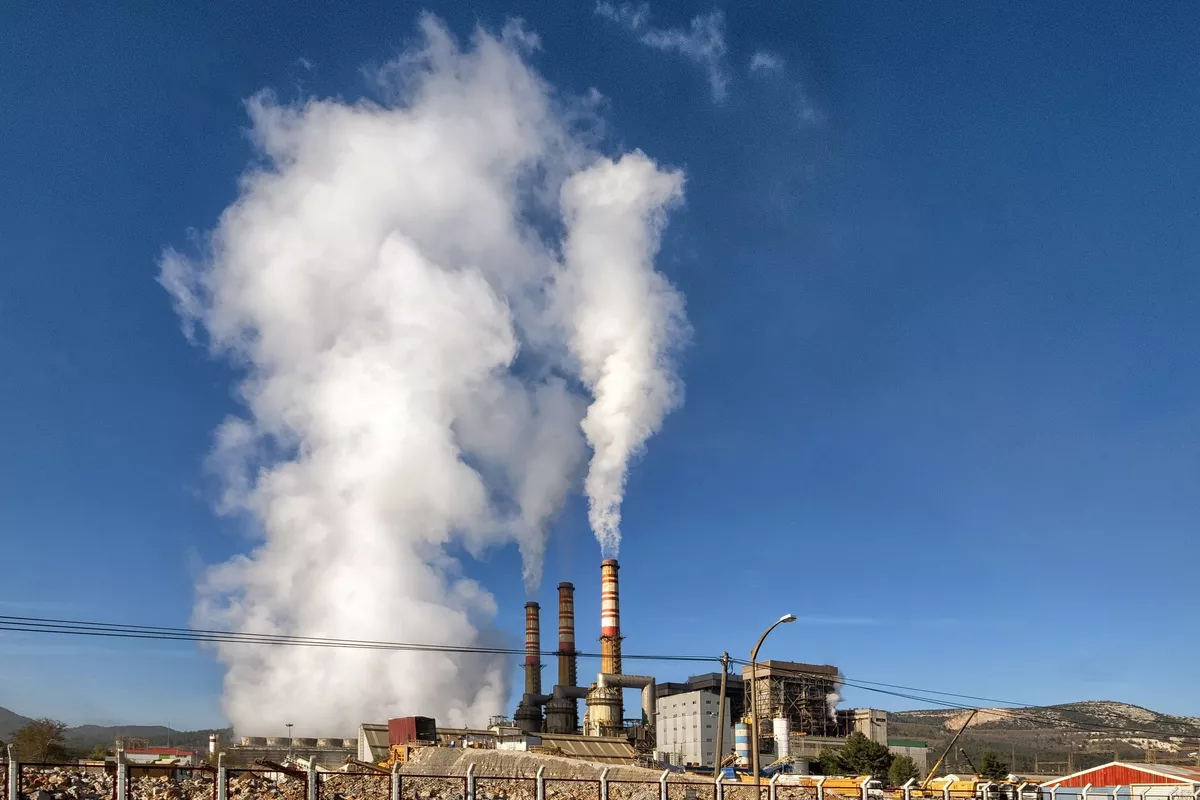
The EU Emissions Trading System (EU ETS), in place since 2005, is facing unprecedented scrutiny as European industries blame rising carbon costs for eroding competitiveness. In mid-February, the Antwerp Summit brought together 1,300 companies, including BASF, to voice objections. German Chancellor Friedrich Merz called for revision, stating the current system harms industry, while French President Emmanuel Macron warned that high energy and carbon costs are accelerating deindustrialization. A ten-country coalition led by Italy, Poland, and Austria openly demanded restructuring of the EU ETS in mid-March. The European Commission responded in early April by releasing additional allowances from the Market Stability Reserve-a move Green politicians criticized as “a bad April Fool’s joke.”
Türkiye’s Strategic Advantage and CBAM Pressure
For Turkish exporters, the Carbon Border Adjustment Mechanism (CBAM), launched Jan. 1, 2026, imposes carbon-based levies on shipments to Europe. Nearly half of Türkiye’s exports go to the EU and US, leaving local industries caught between CBAM and Trump-era tariffs. However, Türkiye holds a significant edge: 70-75% of its steel is produced via scrap-based electric arc furnaces, yielding a much lower carbon footprint. Ugur Dalbeler, CEO of Colakoglu Metalurji and World Steel Association Chairman, noted that Türkiye can supply Europe’s material needs with the lowest possible emissions. He also warned against the risk of double carbon taxation and the EU potentially using green transformation as a protectionist tool.
Expert Views: Pricing and Oversight Key
Etem Karakaya, a climate economics scholar at Eskisehir Osmangazi University, emphasized that the starting price and careful market oversight are critical for the pilot ETS phase. He expressed concern that Turkish firms-especially in iron and steel-may face high border carbon costs due to carbon-intensive production. Türkiye plans to distribute all allowances for free during the pilot phase, but Karakaya suggested a gradual transition to paid allocations, with revenues reinvested solely as grants for green industrial transformation. “Türkiye has already picked its path,” he said, warning that further delays would bring much greater costs. As host of COP31 in Antalya in November 2026, Türkiye must back its climate commitments with concrete implementation, he added.
Industry Moves from Hesitation to Strategy
Baris Balat, Co-founder and CEO of Erguvan, Türkiye’s first carbon credit trading platform, noted that Turkish exporters have moved beyond confusion. “Virtually no one is asking, ‘What’s this about?’ anymore,” he said. Companies are now strategically hedging against future carbon price fluctuations. Balat stressed that without a national ETS, carbon fees would go directly to EU coffers. He described the transition as “pure economic rationality,” not romantic idealism. Erguvan, which has worked with Garanti BBVA for four years, is preparing to establish Türkiye’s first Carbon Markets Fund to finance domestic decarbonization projects. “We are slowly in a hurry,” Balat said, as Türkiye advances its role in global climate finance ahead of COP31.