What Russia’s Extradition Ban Means for Foreign Recruits
Russia has adopted legislation that shields certain foreign nationals from extradition if they have served in the country’s armed forces and taken part in combat operations in Ukraine. The measure reflects a broader wartime recruitment strategy that has increasingly relied on foreign citizens to sustain military operations.
The bill, passed in its final reading by the State Duma, amends Article 464 of Russia’s Criminal Procedure Code. Under the revised provisions, Russian authorities may refuse extradition requests from other countries for foreign nationals who have signed contracts with the Russian Armed Forces or other Russian military formations and participated in hostilities.
Legal Shield for Contracted Foreign Personnel
The new rules apply to individuals who are currently serving or have previously served under contract in Russian military structures. In practice, this means that foreign nationals suspected or accused of crimes in their home countries may not be handed over if they meet the criteria set out in the law.
The legislation formalizes a legal barrier that could affect international law enforcement cooperation, particularly in cases where foreign governments seek the return of their citizens for prosecution.
Expanding Foreign Recruitment Since 2022
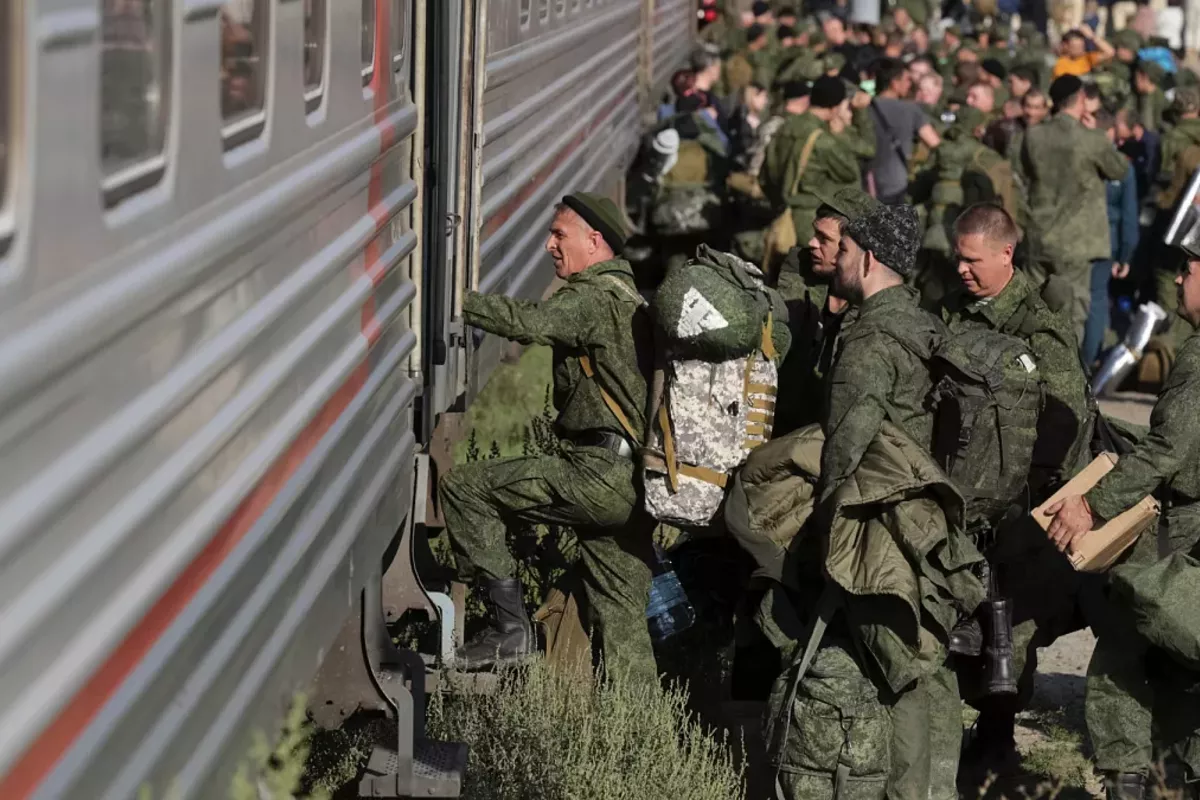
Since the start of Russia’s full-scale invasion of Ukraine in 2022, Moscow has expanded its recruitment efforts beyond its borders. According to various media reports, tens of thousands of foreign citizens from Africa, Asia, and Latin America have been enlisted.
Estimates cited by international outlets suggest that roughly 18,000 foreign nationals from more than 120 countries have joined Russian military formations since the war began, with thousands reported killed in action. At the same time, independent tracking groups have indicated that overall Russian military losses have climbed into the hundreds of thousands.
Western officials have pointed to the growing reliance on foreign recruits as evidence of mounting battlefield attrition. The UK’s defence leadership, including senior figures in the Ministry of Defence, has publicly stated that Russia has sought to offset heavy losses by targeting recruits in countries such as India, Pakistan, Nepal, Nigeria, Senegal, and Cuba.
Allegations of Deception and Coercion
Reports from journalists, human rights groups, and foreign governments have raised concerns about how some foreign nationals are recruited. Individuals from economically vulnerable backgrounds are allegedly offered high wages or civilian jobs in Russia, only to be required to sign military contracts upon arrival.
In some cases, recruits are said to have limited knowledge of the Russian language and little understanding of the terms they are agreeing to before being deployed to combat zones in Ukraine.
International Pushback and Recruitment Limits
The recruitment drive has triggered diplomatic friction. Governments in several countries have demanded explanations from Moscow and called for their citizens to be returned.
Amid growing scrutiny, reports in early 2026 suggested that Russian authorities introduced informal “blacklists” covering dozens of countries whose citizens would no longer be eligible for recruitment into the armed forces. These steps were reportedly taken to reduce diplomatic fallout and manage international pressure.
A Wartime Policy with Long-Term Implications
By formally blocking extradition for foreign fighters who serve under contract, Russia has embedded its recruitment strategy into domestic law. The move underscores how legal frameworks are being reshaped during wartime and highlights the complex intersection of military necessity, international law, and diplomatic relations.
As the conflict in Ukraine continues, the role of foreign nationals in Russia’s armed forces - and the legal protections extended to them - is likely to remain a subject of international debate.