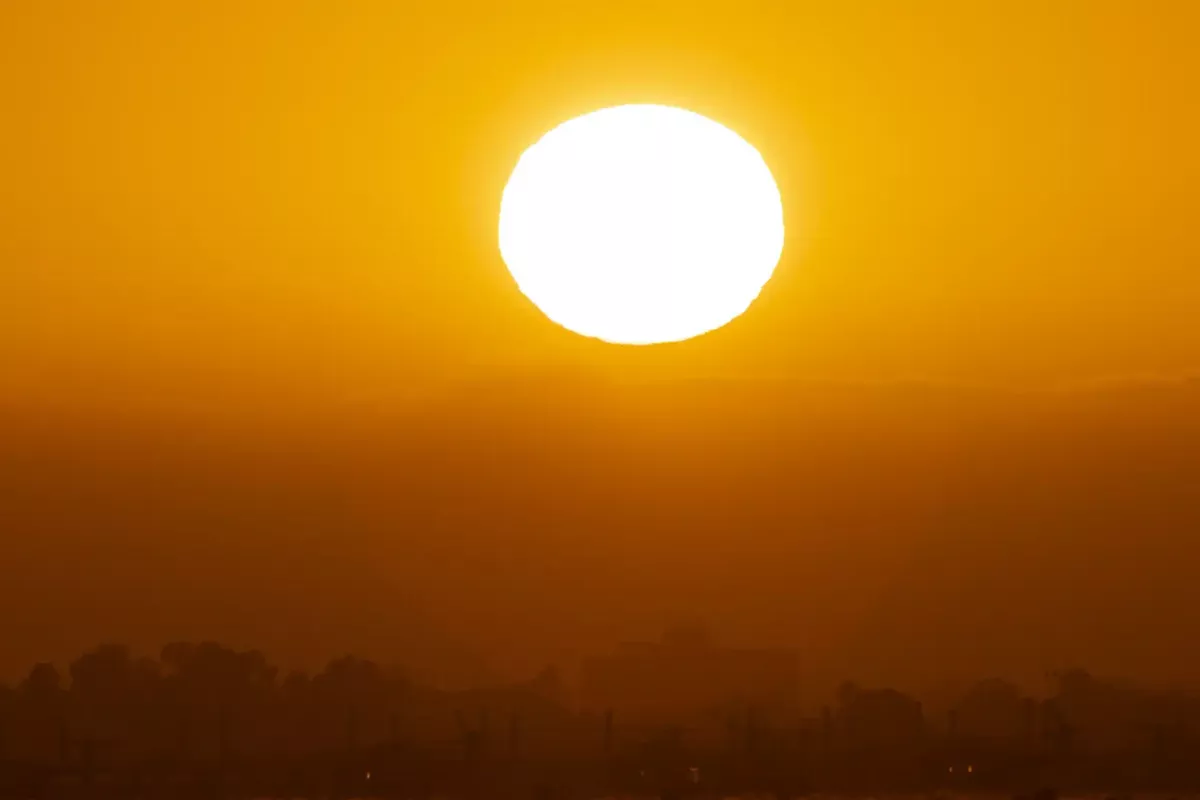
2025 Becomes One of Uzbekistan’s Warmest Years on Record
According to Uzhydromet, 2025 ranked among the warmest years in the history of meteorological observations in Uzbekistan.
In several regions of the country, including Tashkent, the year was recorded as the hottest on record, The Caspian Post reports, citing Uzbek media.
The year was also characterized by unusually dry conditions. Uzbekistan experienced a prolonged precipitation deficit for much of 2025, with rainfall levels remaining below average until the dry spell ended in December.
Alongside 2016 and 2023, 2025 stands out as one of the warmest years in Uzbekistan’s weather history. Across much of the country, temperatures in January and February were close to long-term averages, while from March through December they exceeded the norm.
April and May were the warmest months relative to averages, with air temperatures 2.5-4.5 degrees above the long-term norms. Overall, the annual average temperature exceeded the norm by 1-2 degrees.
2025 was also very dry. In most regions, annual precipitation amounted to 50-80% of the norm. Only in the northwestern regions and the far south did annual rainfall approach climatological averages.
All months from April to November were dry or extremely dry. December became the wettest month of the year.
December was warm, according to meteorologists. The first half of the month and several days at the end saw temperatures reach +13…+18 degrees, with some areas warming to +19…+24 degrees.
On December 15, a cold air mass entered Uzbekistan, sharply lowering temperatures. On the coldest nights, temperatures dropped to 0…−5 degrees, and in the north to −8…−13 degrees. Daytime temperatures did not exceed 0…+2 degrees. Cold conditions persisted across the country for about a week.
The average monthly temperature in December exceeded climatic norms by 2-3 degrees.
December marked the end of the prolonged precipitation deficit across Uzbekistan. The month was characterized by high humidity and frequent rainfall. In some central and southern districts, precipitation reached strong levels: 15-25 mm per day on plains, 30-40 mm in foothills and mountains, and locally up to 50 mm per day.
Monthly precipitation across most regions amounted to 150-300% of the norm. Only Khorezm region and parts of Bukhara and Navoi received rainfall below or near the average.
In Tashkent Region and some districts of Syrdarya, Jizzakh, and Samarkand regions, December was the wettest in the past 25 years. Precipitation fell as both rain and snow.
After snowfall in the second half of the month, a temporary snow cover formed across the plains. Maximum snow depth reached 13-25 cm in central areas and 1-6 cm in northern and southern regions
In the mountains, the season’s first snow cover appeared in early December. By the end of the month, snow depth reached 35-85 cm.
December also saw an increased risk of avalanches. Multiple snow slides were recorded on the Kamchik Pass and in the Chimgan Gorge.
Wind speeds locally increased to 15-20 m/s, with gusts in the north and desert zones reaching 22-25 m/s.