Uzbekistan, Japan Deepen Long-Term Strategic Partnership
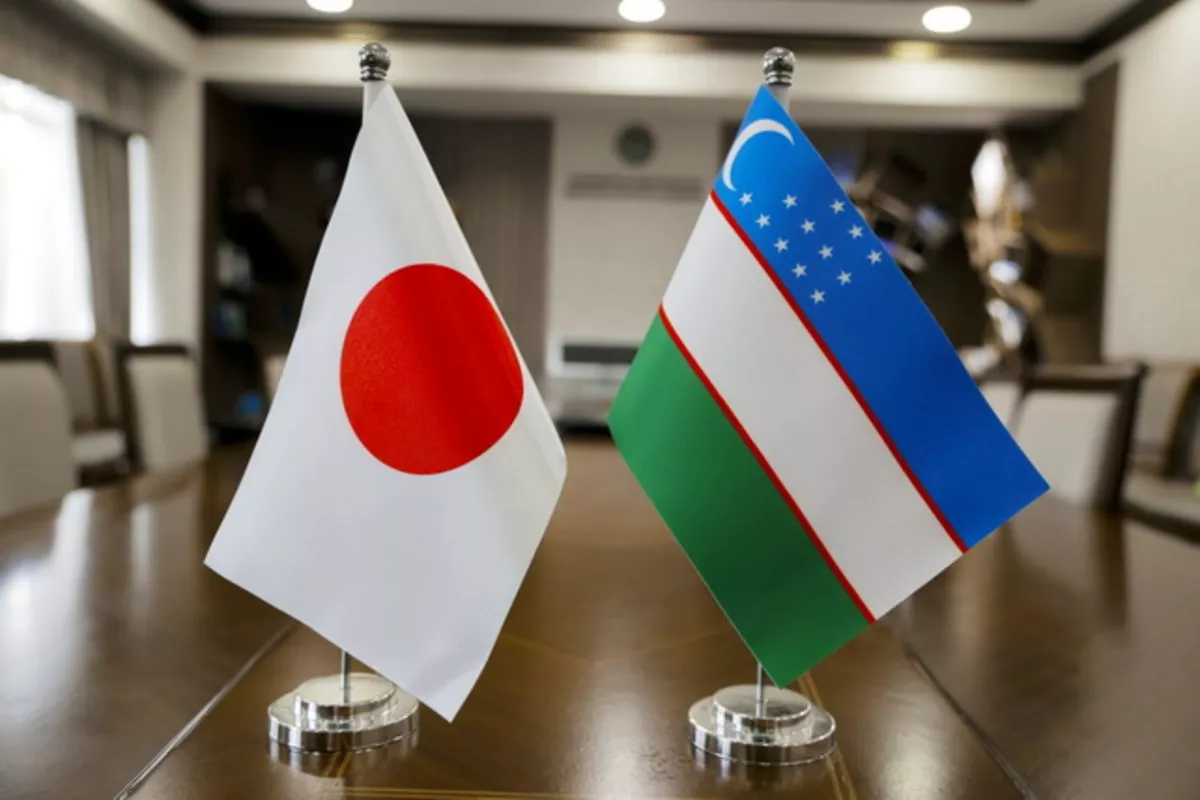
Since establishing diplomatic ties, Uzbekistan and Japan have steadily expanded cooperation across economic, political, scientific, educational, and humanitarian fields.
Japan is recognized as one of Uzbekistan’s most reliable and long-term partners, actively supporting the country’s modernization, adoption of advanced technologies, and sustainable economic growth, The Caspian Post reports via Uzbek media.
Japanese investments, technology, and management expertise have contributed significantly to Uzbekistan’s large-scale reforms, enhancing the competitiveness of its national economy.
Political dialogue between the two nations is marked by high trust. A milestone was President Shavkat Mirziyoyev’s official visit to Japan in 2019, which resulted in multiple agreements covering key sectors and laying the foundation for systematic partnership expansion. Cooperation now extends to parliaments, government bodies, and foreign ministries, creating a strong platform for trade and economic development.
Over the past five years, bilateral trade has grown by 54 per cent, reinforcing economic ties. A notable step in deepening economic dialogue was the 2024 opening of the Uzbek-Japanese Trade House in Nagoya, aimed at promoting Uzbek products, facilitating business exchange, and coordinating commercial initiatives. Japanese business presence in Uzbekistan continues to grow, with over 100 companies operating in sectors such as energy, machinery, chemicals, and logistics. Major investors include Mitsubishi Corporation, Marubeni, Sojitz, Toyota Tsusho, and Hitachi.
Financial and institutional support from Japanese development agencies plays a key role. JICA, in collaboration with Uzbek partners, implements around 50 large-scale projects in energy, infrastructure, agriculture, healthcare, and education, valued at over $5.5 billion, while JBIC’s joint project portfolio reaches nearly $4 billion.
Industrial and energy sectors remain priority areas. Japanese companies actively participate in major projects, transferring advanced technologies, expanding production capabilities, and introducing modern management standards. Energy cooperation is particularly strategic, with Japan supporting modernization of Uzbekistan’s power infrastructure, including construction and upgrades of thermal power plants and adoption of energy-efficient technologies.
Significant joint projects include the 900 MW Turakurgan TPP in Namangan and the 650 MW third combined-cycle unit at Navoi TPP. Supported by Mitsubishi Corporation, Mitsubishi Power, and Japanese financial institutions, these facilities enhance energy reliability, optimize fuel consumption, and reduce greenhouse gas emissions, producing over 10 billion kWh annually for households and industry.
Uzbekistan and Japan are also focusing on renewable energy. A major project announced in October 2025 involves a 1,000 MW solar park in Bukhara and Samarkand, implemented with Sumitomo, Chubu Electric, Shikoku Electric, and JBIC support. This will supply electricity to 600,000 households and cut CO₂ emissions by 1.3 million tons annually, making it one of the largest renewable projects in Central Asia.
The upcoming “Central Asia + Japan” summit in Tokyo on December 19-20, 2025, is expected to further boost multilateral cooperation and enhance coordination among Central Asian states and Japan.
Overall, Uzbekistan-Japan relations show steady positive growth and a clear long-term strategic focus. Strong political dialogue and mutual interest in lasting cooperation provide a solid foundation for expanding mutually beneficial partnerships, ensuring strategic relevance and high potential for new areas of collaboration.