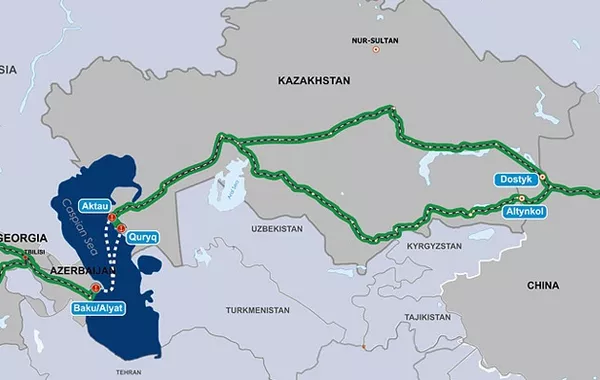
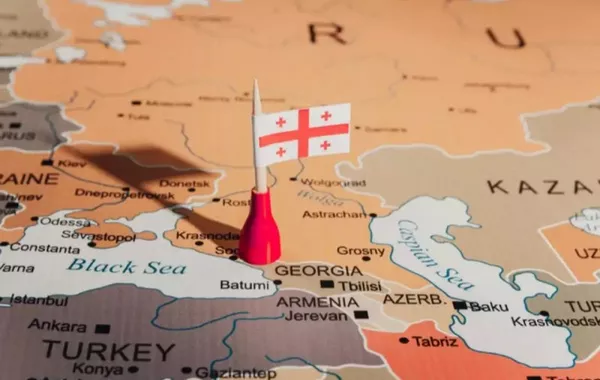
Azerbaijan is increasingly positioning Central Asia as a core pillar of its tourism growth strategy, a trend highlighted by recent coverage in Travel and Tour World.
Azerbaijan's tourism sector is gearing up for long-term growth, with a noticeable rise in visitors from Central Asia and Asia. Countries like Kazakhstan, along with China, Uzbekistan, and Tajikistan, have become key contributors to the country’s growing number of inbound travellers. While there was a slight dip in overall arrivals, the tourism industry has been strengthened by increased market diversity, better regional connectivity, and growing interest from new regions. This has helped reinforce Azerbaijan’s reputation as one of the most exciting and dynamic destinations in the Caucasus region.
A Resilient Tourism Landscape Despite Marginal Decline
In 2025, a total of 2.57 million foreign visitors were recorded across Azerbaijan, according to data released by the State Statistics Committee of Azerbaijan. A year-on-year decline of 2.1 per cent was registered, yet the overall picture has been defined less by contraction and more by stability and structural resilience. The slight fall has been balanced by robust performance from emerging source markets, ensuring that tourism growth has been redistributed rather than reversed.
The sector has been supported by sustained air connectivity, visa facilitation measures and expanded destination marketing, allowing Azerbaijan to maintain strong international visibility even as global travel patterns continued to adjust.
Traditional Source Markets Continue to Anchor Arrivals
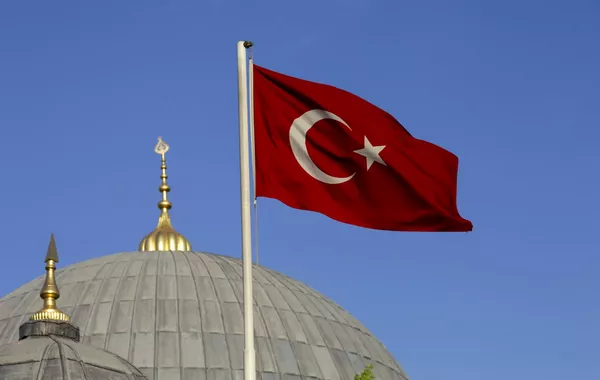
Russia has remained Azerbaijan’s largest inbound market, accounting for nearly a quarter of total arrivals. Travel demand from Russia was sustained by proximity, cultural familiarity and extensive transport links. Türkiye followed as the second-largest contributor, underlining the continued strength of travel flows from Turkey driven by shared heritage, business travel and leisure demand.
Additional stability was provided by steady visitor numbers from Iran, India and Georgia, reinforcing Azerbaijan’s appeal across neighbouring and long-haul markets alike. These established markets have continued to serve as the backbone of inbound tourism, ensuring predictable demand for accommodation, transport and cultural attractions.
Central Asia Emerges as a High-Growth Tourism Corridor
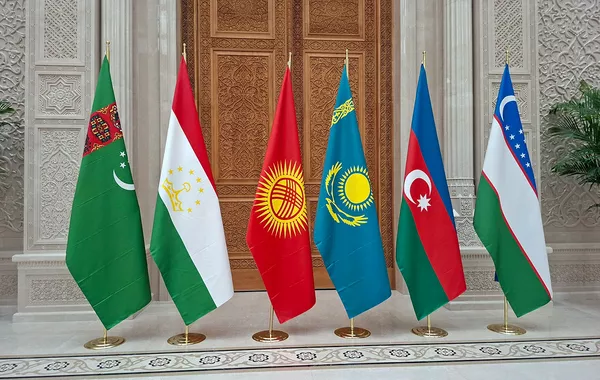
The most striking trend of 2025 has been the sharp rise in arrivals from Central Asia. Visitor numbers from Kazakhstan, Uzbekistan and Tajikistan have been significantly expanded, reflecting the strengthening of regional tourism corridors across the Caspian and Silk Road regions.
Arrivals from Uzbekistan rose by more than one-third, while Tajikistan recorded one of the fastest growth rates among all source markets, with visitor volumes increasing by around 60 per cent. Kazakhstan also delivered solid year-on-year growth, positioning itself as one of Azerbaijan’s most promising emerging inbound markets. These increases have been driven by improved air links, simplified travel formalities and a shared interest in cultural, wellness and city-based tourism.
China Strengthens Azerbaijan’s Asian Tourism Profile
Asia’s growing influence on Azerbaijan’s tourism sector has been further confirmed by the surge in arrivals from China, where visitor numbers rose by more than 40 per cent. This expansion has been supported by enhanced connectivity, rising outbound travel demand and Azerbaijan’s strategic positioning as a gateway between Europe and Asia.
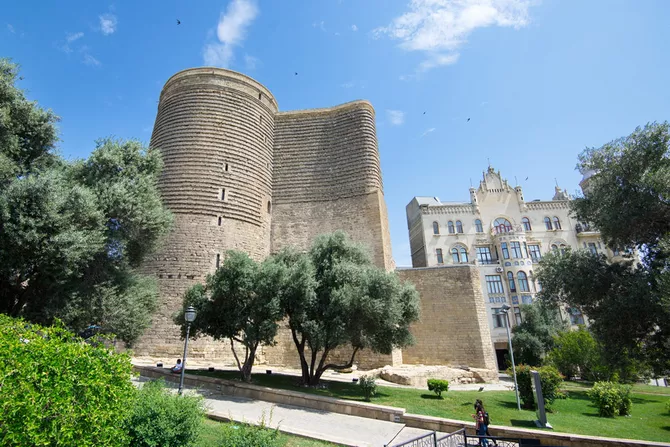
photo: Advantour
Cultural heritage routes, UNESCO-listed sites and Azerbaijan’s reputation for hospitality have increasingly resonated with Asian travellers seeking destinations that combine history, modern infrastructure and distinctive local experiences. The sustained growth from China has underlined Azerbaijan’s success in tapping into long-haul Asian markets while reducing reliance on traditional European demand.
Diversification Accelerates with Israeli Market Growth
Another notable development has been the rapid expansion of arrivals from Israel, where visitor numbers more than doubled. This surge has highlighted Azerbaijan’s growing appeal among Middle Eastern travellers seeking leisure, wellness and short-haul city breaks.
The broadening of source markets has been instrumental in strengthening tourism resilience. By attracting visitors from a wider geographic base, Azerbaijan has reduced exposure to single-market volatility while supporting year-round demand across hotels, tour operators and transport services.
Infrastructure and Promotion Fuel Long-Term Growth
The positive dynamics observed in 2025 have been underpinned by continued investment in tourism infrastructure and destination development. Airport capacity has been expanded, road networks have been upgraded, and hospitality offerings have been diversified to accommodate both budget-conscious travellers and premium segments.
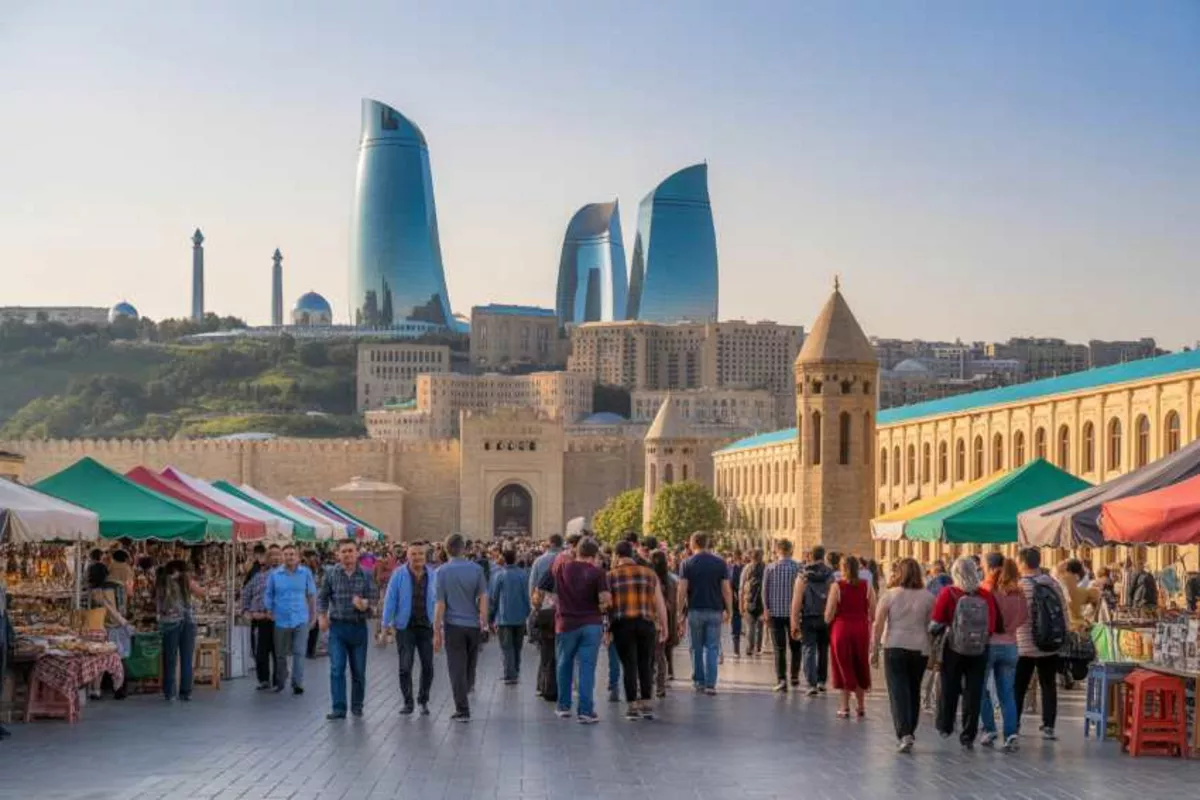
Tourism promotion efforts have been intensified across Central Asia, Asia and the Middle East, with Azerbaijan’s unique blend of modern urban life, historical landmarks and natural landscapes being positioned as a core differentiator. From the contemporary skyline of Baku to mountain villages, spa resorts and Caspian Sea experiences, the destination has been presented as versatile, accessible and culturally rich.
Cultural Heritage and Nature Drive Visitor Appeal
Azerbaijan’s tourism narrative has increasingly centred on balance. Ancient caravanserais, fire temples and medieval fortresses have been complemented by modern museums, international events and a growing culinary reputation. Nature-based tourism has also been strengthened through the promotion of national parks, mountain trekking routes and wellness retreats, particularly appealing to visitors from Central Asia and Asia.
This diversified product mix has ensured that tourism growth has not been confined to a single segment but has been distributed across leisure, cultural, wellness and urban tourism categories.
Outlook for 2025 and Beyond
Looking to the future, Azerbaijan’s tourism industry is set to thrive. The growth from countries like Kazakhstan, China, Uzbekistan, and Tajikistan is expected to continue as travel connections improve and regional demand increases. With more diverse source markets, Azerbaijan can look forward to steady visitor numbers, increased spending, and a greater overall impact on the economy.
The country’s tourism sector is proving to be resilient, bouncing back stronger rather than retreating. As it builds on momentum from emerging markets, Azerbaijan is solidifying its position as a key travel hub in the Caucasus and Caspian regions. The groundwork laid in 2025 is primed to fuel consistent growth for years to come.