Hormuz Flashpoint: Iran’s Strategic Edge Shakes World Order
Recent shifts in global politics indicate that the international system is undergoing a period of structural transformation. In particular, the policies associated with US President Donald Trump and elements of the radical right in the United States have fuelled debate about the erosion of the post-Second World War and post-Soviet international order.
Growing divergences within NATO and the European Union, alongside rising tensions in the Middle East, particularly around Iran, are contributing to a more fragmented and contested geopolitical landscape.
Commenting on these developments, Afshar Soleymani, a former Iranian ambassador to Azerbaijan, political analyst and researcher in international relations, told The Caspian Post that the current moment represents a critical turning point for the global system.
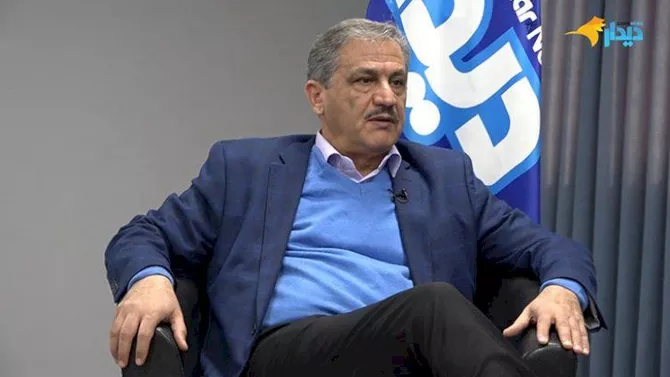
Photo: Afshar Soleymani, a former Iranian ambassador to Azerbaijan, political analyst and researcher in international relations
According to him, disruptions to the existing order have created a strategic opportunity for countries dissatisfied with US dominance to reconsider their positions and coordinate more closely. “The weakening of a unipolar structure opens space for new alignments. If there is sufficient political will, countries can set aside ideological differences and focus on common economic and strategic interests,” he said.
He added that, in this evolving environment, a window of opportunity has emerged for various states to explore alternative frameworks for cooperation. “Platforms such as BRICS and the Shanghai Cooperation Organisation are increasingly viewed as potential pillars of a rebalanced global order,” Soleymani said, emphasising that deeper integration between these organisations, along with possible expansion, could play a decisive role in shaping a multipolar system.
The former ambassador said that energy markets remain central to this transformation. For decades, global energy trade has been anchored in the petrodollar system. However, discussions around alternative mechanisms, such as settlements in other major currencies, are gaining traction. “Diversifying currency use in energy and commodity trade is not only an economic issue, but also a strategic one,” Soleymani noted, adding that such steps could gradually reduce structural dependence on the US dollar.
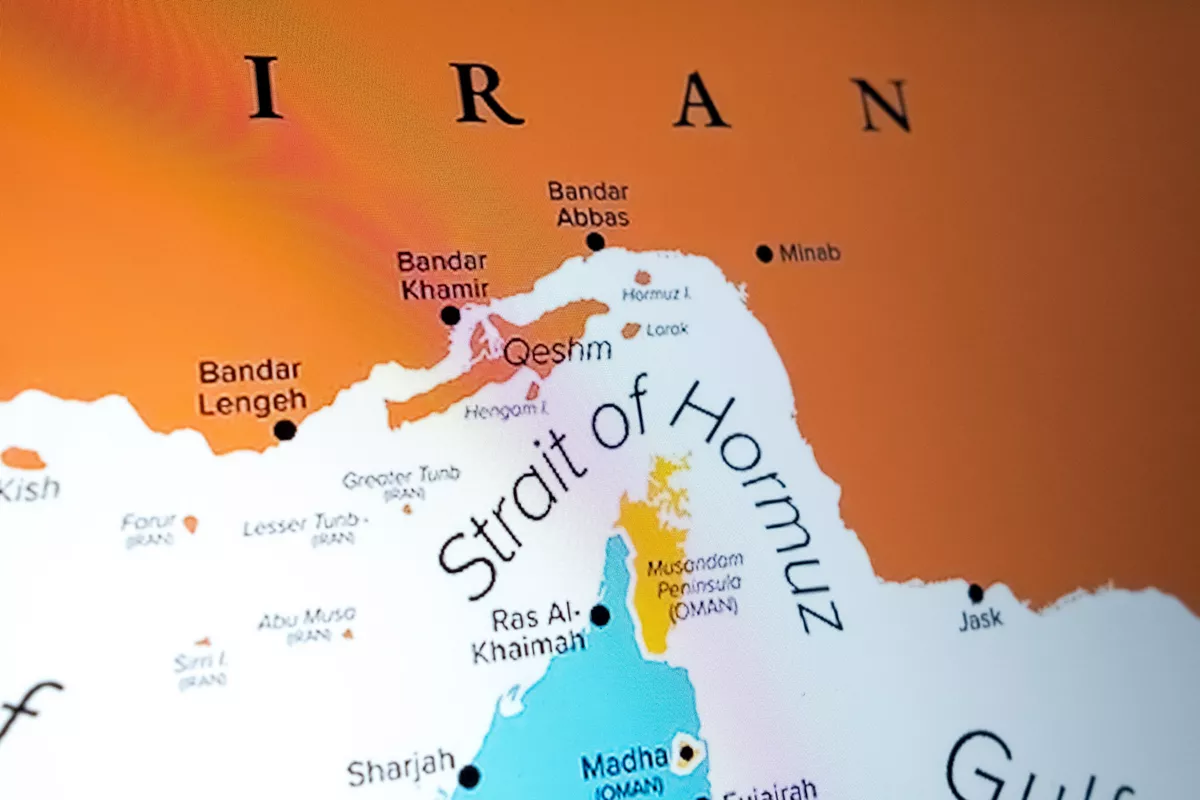
“In this context, the Strait of Hormuz occupies a critical position. As one of the world’s most important energy transit chokepoints, it provides Iran with considerable geopolitical leverage,” Soleymani said. He underlined that strengthening Iran’s position in this corridor, alongside developing alternative trade and transport routes, could help mitigate external pressure and enhance regional influence.
Looking ahead, he outlined two possible trajectories for the international system. “In the first scenario, major powers such as China and Russia, together with BRICS and Shanghai Cooperation Organisation members, deepen cooperation with Iran, accelerating the transition towards a multipolar order. In the second scenario, the current system persists with adjustments, maintaining US leadership despite ongoing challenges,” he said.
“For Iran, the key issue is strategic balance,” Soleymani said. “Tehran can either strengthen coordination with partners such as China, Russia and Türkiye to counter external pressure, or pursue diplomatic engagement with Washington to reduce tensions and secure economic relief.”
He added that Iran should also focus on practical measures, including strengthening regional trade links, diversifying transport routes, and addressing domestic economic challenges to improve resilience.
Ultimately, Soleymani stressed that the international system is entering a transitional phase, where outcomes will depend on the choices of both major and regional actors. “If countries act pragmatically and build cooperation based on shared interests, a more balanced multipolar system can emerge. Otherwise, the existing order, even if weakened, may continue in a modified form,” he concluded.