Japan’s Flourishing Ties with Central Asia: A Symphony of Tradition, Vision, and Resolve
As global alliances evolve and Asia’s strategic landscape grows more interconnected, Japan’s engagement with Central Asia is entering a dynamic new phase. In an article published by News Central Asia, “Japan’s Flourishing Ties with Central Asia: A Symphony of Tradition, Vision, and Resolve” explores how Tokyo is blending historical goodwill with forward-looking diplomacy to deepen its presence across the region. From infrastructure and energy cooperation to cultural exchange and human capital development, Japan’s approach reflects a carefully balanced strategy rooted in mutual respect, long-term partnership, and shared ambitions for sustainable growth.
In Ashgabat, Turkmenistan, on 13 February 2026, the Embassy of Japan will host a reception to celebrate Emperor Naruhito’s birthday. This early gathering - the official date falls later on February 23 - isn’t just a diplomatic nicety; it’s a vibrant nod to the enduring institution of Japan’s monarchy, which weaves seamlessly into the fabric of the nation’s global outreach, including its burgeoning partnerships in Central Asia, The Caspian Post republishes the article.
As we reflect on this, it’s worth pausing to appreciate how Japan’s imperial legacy provides a steady anchor in an era of geopolitical flux.
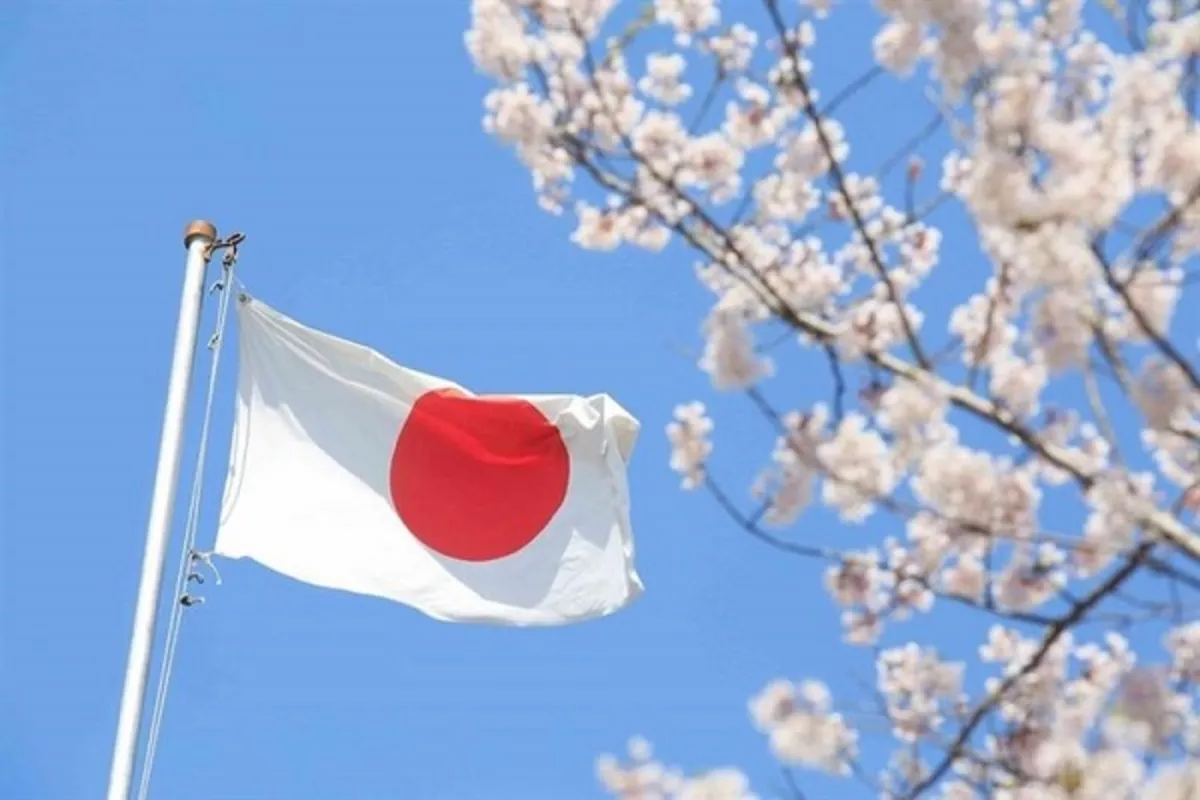
Japan’s monarchy is the world’s oldest continuous hereditary monarchy, tracing its roots back over 2,600 years to Emperor Jimmu in 660 BCE. This unbroken lineage-spanning 126 emperors, including the current Emperor Naruhito, who ascended in 2019-symbolizes remarkable continuity amid change.
Unlike many monarchies that wield political power, Japan’s emperor serves as a ceremonial figurehead under the post-World War II constitution, embodying the unity of the people.
In a fast-paced world riddled with uncertainties-from economic shifts to regional tensions-the emperor plays a pivotal role in fostering national cohesion. Through rituals like the New Year’s address or state ceremonies, he motivates the populace, instilling a sense of shared heritage and resolve. This internal strength isn’t just cultural nostalgia; it’s a quiet force that empowers Japan to engage confidently on the global stage, projecting stability and soft power that resonates far beyond its islands, even to the steppes of Central Asia.
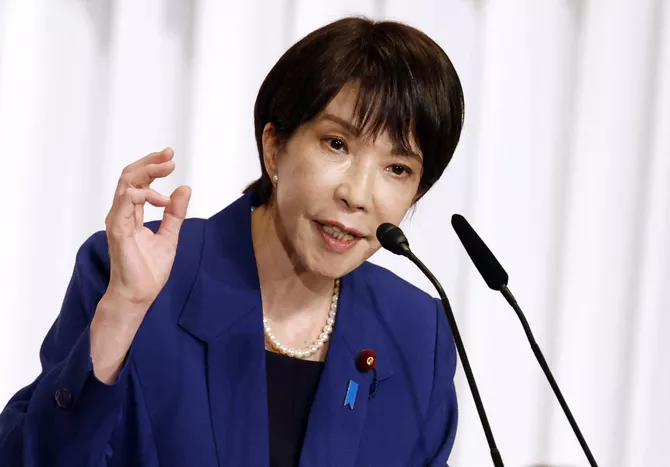
photo: NBC News
Transitioning from this timeless foundation, we turn to the dynamic leadership of Prime Minister Sanae Takaichi, Japan’s trailblazing first female PM since October 2025. As a protégé of the late Shinzo Abe-a visionary statesman whose “Abenomics” revitalized Japan’s economy and whose “Free and Open Indo-Pacific” strategy reshaped its foreign policy-Takaichi is flexibly steering the nation through internal reforms and external alliances with a blend of conservatism and pragmatism.
Abe’s legacy of bold diplomacy, including his pioneering outreach to Central Asia in 2015, laid the groundwork for diversified partnerships that counterbalance dependencies on major powers. Takaichi, with her firm yet collaborative style, is not just continuing this; she’s amplifying it, proving herself a worthy successor in an upbeat narrative of success.
Under Takaichi’s stewardship, Japan’s policies have flourished, particularly in forging deeper ties with Central Asia-a region that’s increasingly pivotal in today’s geopolitics, rich in resources, strategic corridors, and opportunities for mutual growth.
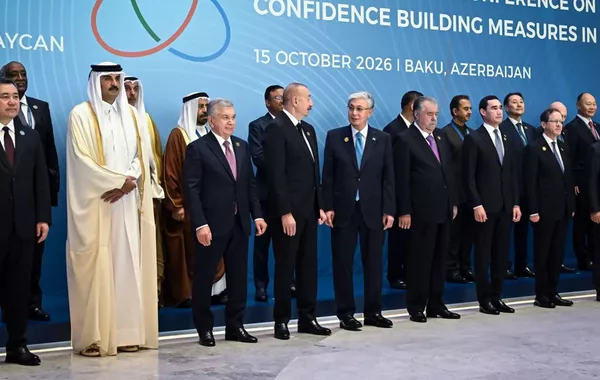
Her hosting of the inaugural leaders-level “Central Asia + Japan” (CA+JAD) Summit in Tokyo in December 2025 was a masterstroke, elevating a 20-year-old dialogue into a high-stakes platform for cooperation. Through initiatives like the CA+JAD Tokyo Initiative, she’s championing green and digital transformations, connectivity projects like the Middle Corridor, and human resource development, all underpinned by a ¥3 trillion ($19 billion) commitment in public-private investments over five years. These moves aren’t about dominance; they’re rooted in equality, mutual respect, and mutual benefit-principles that echo Abe’s “Arc of Freedom and Prosperity.”
By offering technology transfers, infrastructure without debt traps, and partnerships in critical minerals and energy, Takaichi is bringing Japan and Central Asia closer together, creating resilient supply chains and fostering autonomy in a multipolar world. Her assertive stance and focus on rules-based order have already yielded dividends, from strengthened economic security to cultural exchanges that build lasting trust. Critics may point to risks of tension with certain countries but her supermajority in parliament and broad appeal among younger voters signal a Japan that’s motivated, united, and on the ascent.
At its core, this story of Japan’s engagement with Central Asia highlights a powerful triangle: the monarchy, the political government, and the people. The emperor provides the moral and cultural steam, Takaichi’s administration channels it into decisive policies, and the resilient Japanese populace propels it forward. - Together, they generate an unstoppable self-propulsion, turning odds into opportunities-no matter how high they stack. In a world of shifting sands, this synergy ensures Japan’s partnerships, like those blooming in Central Asia, aren’t just strategic; they’re sustainable and inspiring.