Tajik-Afghan Border Violence Tests Dushanbe’s Security Posture
In a new analysis published by Eurasianet, escalating violence along the Tajikistan-Afghanistan border is examined as a growing stress test for Dushanbe’s security posture, highlighting mounting challenges in border control, regional stability, and the state’s capacity to contain cross-border threats amid an increasingly volatile frontier.
LEADING OFF…
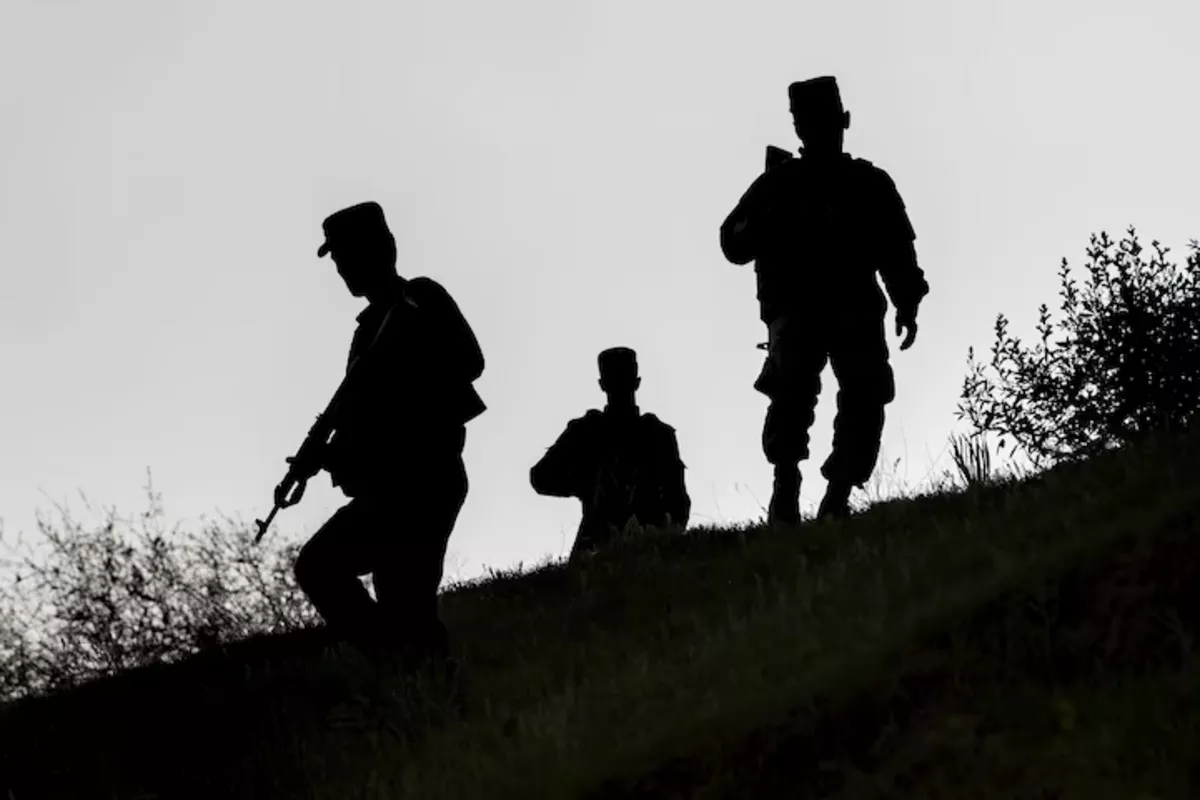
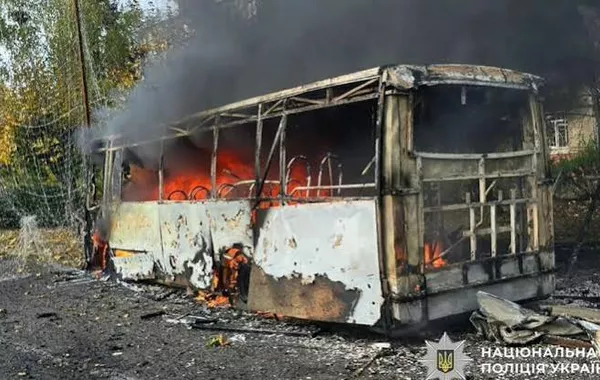
Security conditions along Tajikistan’s border with Afghanistan remain volatile, underscored by a January 18 firefight in which Tajik border troops reportedly killed four suspected Islamic militants, The Caspian Post reports via Eurasinet.
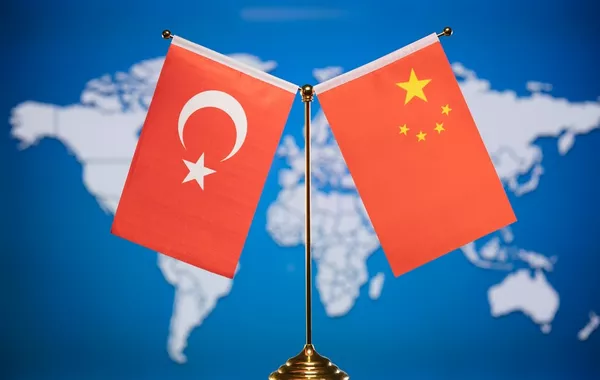
A statement issued by Tajikistan’s State Committee for National Security maintained that when confronted by Tajik personnel in Khatlon Province, the militants refused to surrender and opened fire first. The incident has shaken Tajikistan’s already tense relationship with China. The Chinese embassy in Dushanbe again warned all Chinese citizens to stay away from border regions for the foreseeable future. A significant number of Chinese workers have been involved in construction projects, mining and other activities in border areas. The latest deadly incident indicates that most of these endeavors will be temporarily halted. China previously issued statements that work on a section of a major infrastructure project, the Dushanbe-Khorog-Kulma highway, will remain suspended until security conditions in border areas are deemed stable. In November last year, two cross-border attacks left five Chinese nationals dead.
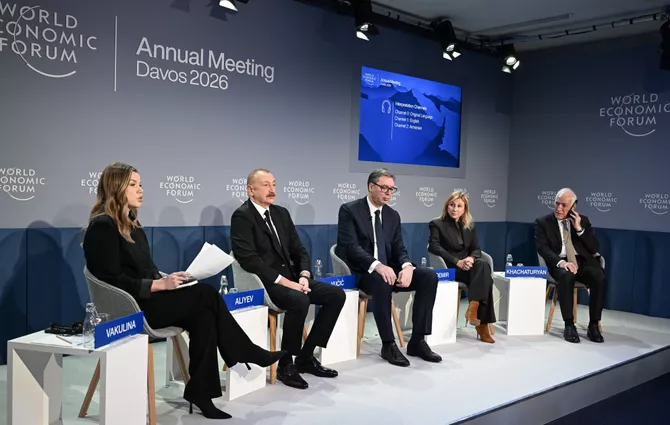
Photo: AZERTAC
IN CASE YOU MISSED IT IN THE CAUCASUS…
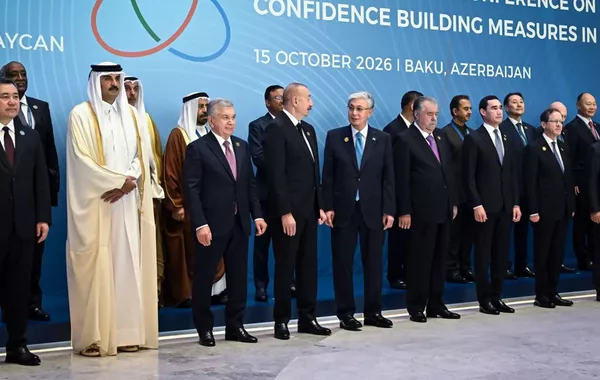
Speaking at the World Economic Forum in Davos, Azerbaijani leader Ilham Aliyev sounded an upbeat note on relations with Armenia. “Today, the benefits of peace are reflected in the beginning of cooperation,” Aliyev stated. Speaking on the same panel, Armenian President Vahagn Khachaturyan noted that both countries “have demonstrated political determination for peace so that from now on practical steps will prove and confirm peace.”
Azerbaijan has also delivered $1 million in non-lethal assistance to Ukraine. The aid consisted of “five transformers, 11 generators, 12 low-voltage panels, and cable products” to be used to reinforce Ukraine’s battered heating and electricity infrastructure, according to a statement issued by the Ukrainian Energy Ministry. “This substantial assistance will strengthen Ukraine’s energy resilience in the face of constant shelling,” the statement noted.
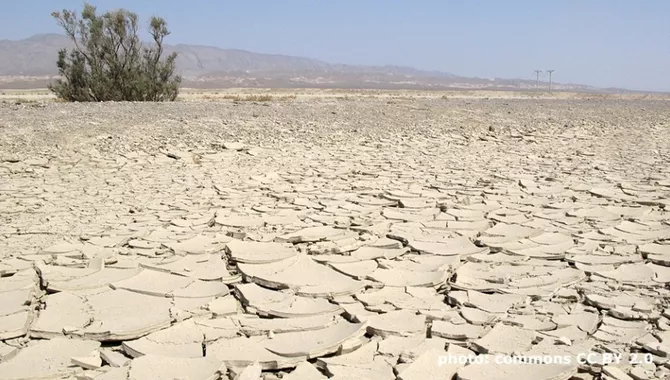
photo: bne Intellinews
MEANWHILE, ACROSS THE CASPIAN…
Central Asia is bracing for severe water shortages during the 2026 growing season. The looming crisis has prompted Uzbekistan and Kazakhstan to cooperate on measures to promote the more efficient and equitable distribution of water, including the installation of 10 meters on the Syr Darya River, a critical waterway for agricultural irrigation and electricity generation. The Podrobno news outlet, which generally reflects Uzbek government positions, commented: “This measure is intended to ensure absolute transparency of data in real time and eliminate any disagreements regarding the accuracy of the volumes of water distributed.” The two states have also agreed to cooperate on the updating of antiquated water-distribution infrastructure. Earlier in January, Kazakhstan’s minister of water resources issued a warning that the water deficit in 2026 will be more severe than last year. Reservoir water levels at present across Central Asia are reported to be significantly lower than during the same timeframe in 2025.
Kazakh President Kassym-Jomart Tokayev, in a January 19 address to the National Kurultai (assembly), indicated that an overhaul of the country’s constitution is in the offing, needed to accommodate the country’s switch to a unicameral parliament. “The implementation of parliamentary reform will require revising several sections of the Constitution. Therefore, taking into account the amendments introduced earlier, the draft proposed by the working group allows us to speak, in essence, about considering a new Constitution of Kazakhstan,” he said.
In Uzbekistan, President Shavkat Mirziyoyev, speaking at an expanded session of the National Security Council, issued instructions to develop a new Defense Doctrine and a new National Security Concept. Mirziyoyev explained the revisions are needed because “various regional conflicts are expanding, the arms race is gaining momentum, and respect for universal values, norms of international law, and international diplomacy is weakening.”
Meanwhile, the Uzbek government is continuing efforts to de-Russify the country’s military command & control structure. The latest reform measure seeks to replace Russian-language military terms and commands with Uzbek-language alternatives. De-Russification is also taking place in the public transport sector. Prime Minister Abdulla Aripov issued an order in early January, specifying the renaming of all airports, bus terminals and bus stops that have Russian names to conform with Uzbekistan’s law “On the Names of Geographical Objects.” The instructions specify that “the writing of inscriptions on signs and information displays installed at airports, bus terminals and bus stops in the Uzbek alphabet based on the Latin script in accordance with the rules and norms of the state language.”