US-Central Asian Business Forum Gives Boost to Formation of “Resilient Supply Chains”
The US-Central Asian Business Forum has given fresh momentum to efforts to build “resilient supply chains” across the region, with Eurasianet highlighting how closer cooperation between American companies and Central Asian partners is reshaping trade links, investment flows, and logistics routes amid shifting global economic conditions.
An apt description for the just-completed US-Central Asian business forum in the Kyrgyz capital Bishkek would be lovefest. Enthusiasm among all participants, even from members of the Turkmen delegation, was overflowing for forging stronger trade ties and business contacts between the region and the United States, The Caspian Post republishes the article.
One of the panelists at the February 4-5 event, Elena Son-LaRocco, executive director of the US-Kyrgyzstan Business Council, summed it up best:
“The time for dating is over. We’ve already swiped right,” Son-LaRocco said. “Now is the time to get to the prenuptial agreement.”
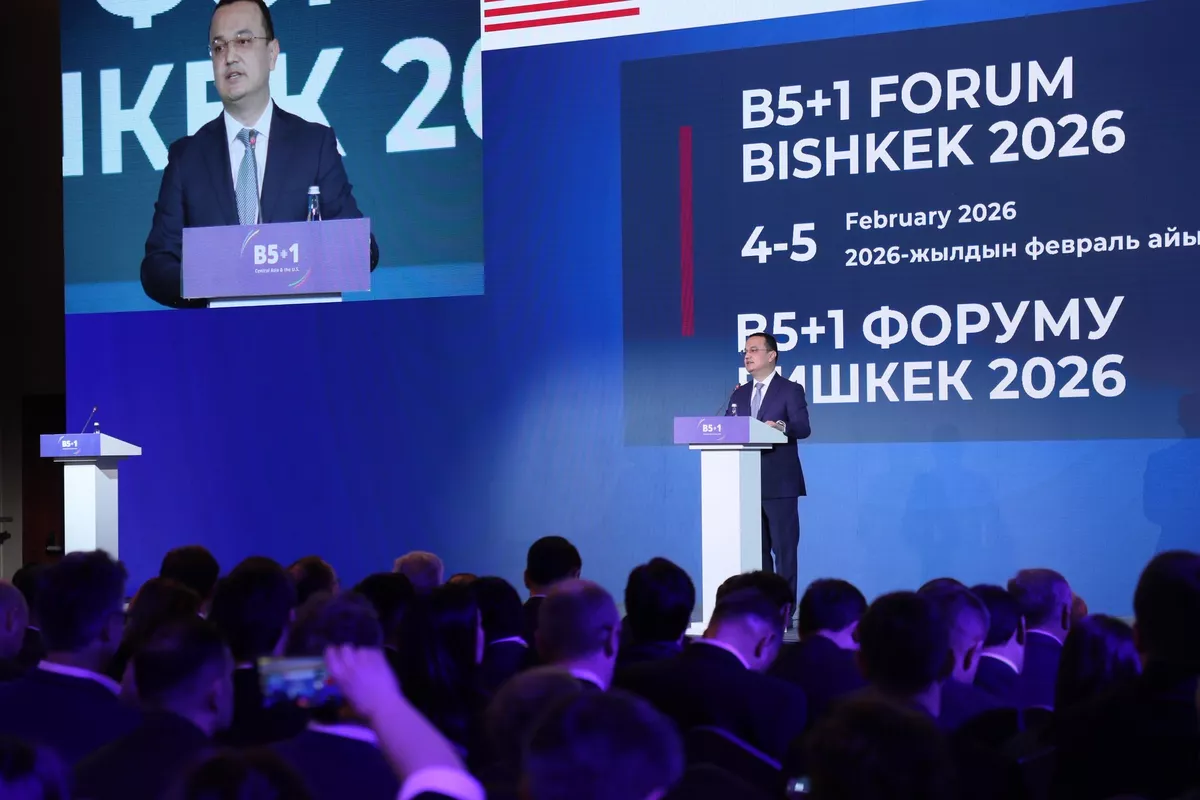
The B5+1 is a format to promote public-private trade cooperation and is an outgrowth of the diplomatically oriented C5+1 process involving the United States and the five Central Asian states. The Bishkek B5+1 forum, the second of its kind following the inaugural event hosted by Kazakhstan in 2024, yielded a 26-point communique that outlined priority tasks to make all the talk about stronger trade relations a reality.
The consensus seemed to be that harmonizing customs procedures and standards was a top priority. The communique made clear that the gathering will be an annual event moving forward, with hosting responsibilities rotating among Central Asian states. US Ambassador to Kyrgyzstan Lesslie Viguerie, meanwhile, announced the signings of at least 12 MoU’s on the sidelines of the gathering.
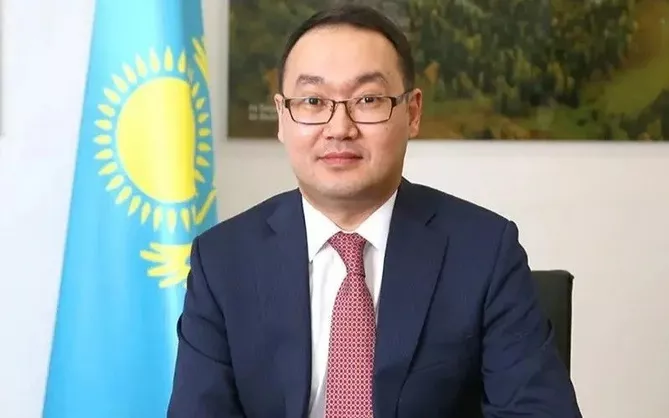
photo: Kazinform
Central Asian governmental participants gushed over the meeting’s outcome. Kazakhstan’s First Deputy Foreign Minister Yerzhan Ashikbayev said the connections forged via the B5+1 will help improve the region’s economic competitiveness and promote the emergence of “resilient supply chains.” Akram Aliev, Uzbekistan’s deputy minister of investment, industry and trade, described the gathering as “results oriented,” and hailed the B5+1 as a unique platform that gives the business community input into shaping the regional trade agenda.
Perhaps the most surprising aspect of the Bishkek event was the open and comparatively active participation of representatives of the Turkmen delegation. Turkmenistan has long had a reputation as being one of the most closed and repressive countries on the planet, but Turkmen officials at the B5+1 did not shy away from engaging with other forum participants, including reporters from Eurasianet.
The general message conveyed by Turkmen representatives at the forum was, ‘don’t forget about us.’ Though lagging far behind Kazakhstan and Uzbekistan in terms of infrastructure and economic engagement with the outside world, Turkmenistan does not want to be bypassed in the rush to build regional trade networks.
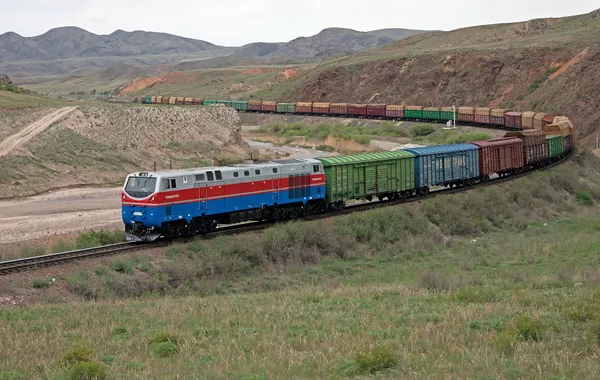
During a panel devoted to promoting regional connectivity, Seyitguly Bayseyidov, a top official with Turkmenistan’s State Service for Maritime and River Transportation, called for more attention to be paid to improving trans-Caspian shipping capacity, an important but generally overlooked component of the emerging Middle Corridor trade route, at least by comparison with rail and road development.
Begench Arazov, a top official at the Union of Industrialists and Entrepreneurs of Turkmenistan, said in an interview with Eurasianet that Ashgabat is eager to establish robust business-to-business contacts with the United States and secure technology transfers. He described the B5+1 as a platform for “opening new possibilities.”