For many years, trade between Asia and Europe relied on familiar routes-through Russia, the Suez Canal, or maritime passages around Eurasia. However, geopolitical shocks in recent years, sanctions, conflicts, and intensifying strategic competition among major powers have fundamentally reshaped the global logistics map. Against this backdrop, the term Middle Corridor has gained growing prominence. But what does it mean in practice-and why is this route becoming critically important right now?
The Middle Corridor, also known as the Trans-Caspian International Transport Route, is not merely an alternative transport option. It is a geopolitical signal that Eurasia is entering a new phase, one in which regional states are no longer passive transit zones but active players shaping global connectivity.
What the Middle Corridor Looks Like in Practice
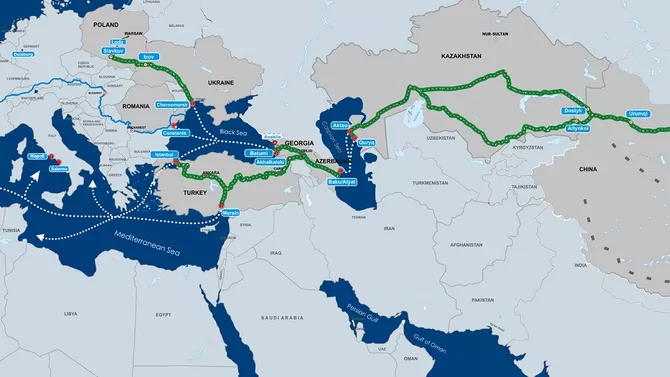
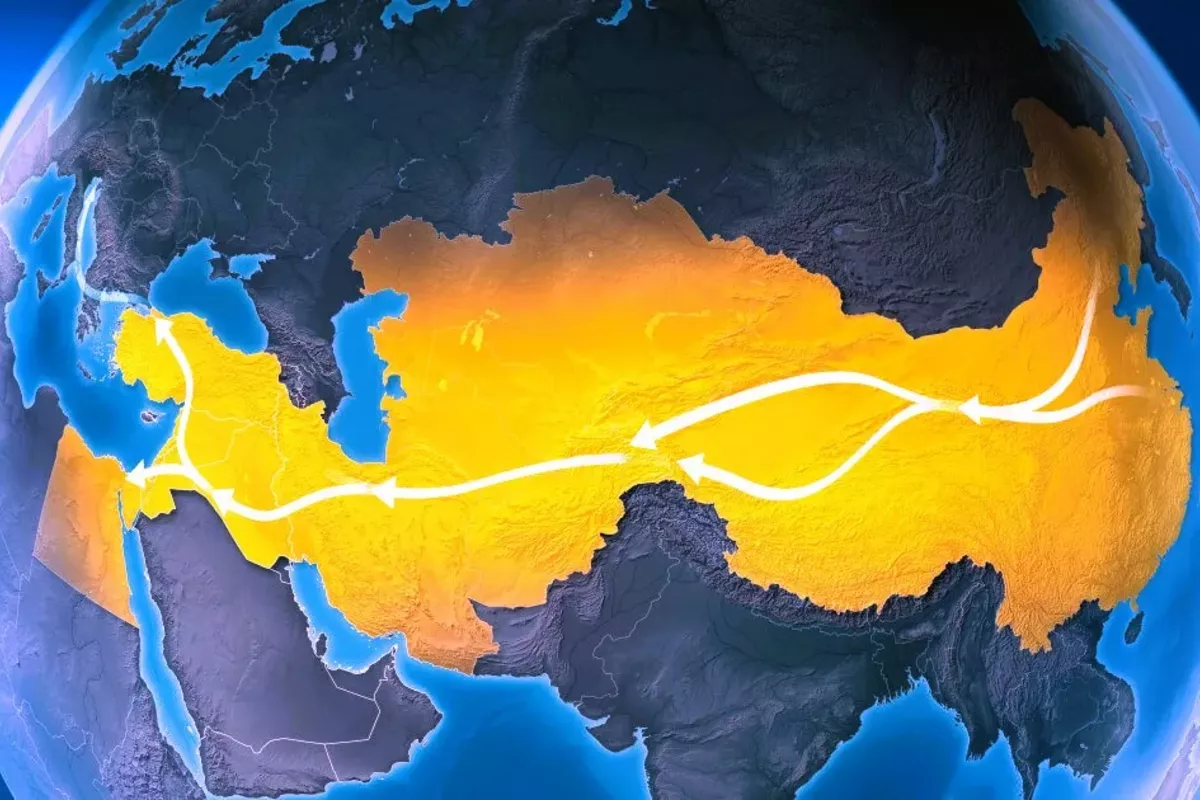
Photo credit: railfreight.com
In simple terms, the Middle Corridor is a multimodal route linking China and Central Asia with Europe via the Caspian Sea, the South Caucasus, and Türkiye.
A typical route follows this trajectory:
China → Kazakhstan → Caspian Sea → Azerbaijan → Georgia → Türkiye → Europe.
Unlike the Northern Corridor, which runs through Russia, or the Southern Corridor, which depends heavily on Iran and maritime routes, the Middle Corridor offers a politically diversified and strategically more flexible alternative.
It combines rail, maritime, and road infrastructure and requires close coordination among several sovereign states-this is precisely why it is as much a political project as an economic one.
Why the Middle Corridor Has Gained Momentum Now
The idea of a trans-Caspian route is not new. Discussions around it predate China’s Belt and Road Initiative. Yet for many years, the project remained underdeveloped due to high costs, infrastructure gaps, and the dominance of traditional routes.
Several factors changed this dynamic.
First, the war in Ukraine and the subsequent sanctions regime significantly reduced the attractiveness and reliability of routes passing through Russia. Logistics companies and governments began actively seeking alternatives that could mitigate political risk.
Second, global supply chains proved far more fragile than previously assumed. The COVID-19 pandemic and incidents such as the blockage of the Suez Canal underscored the dangers of overreliance on a limited number of transport arteries.
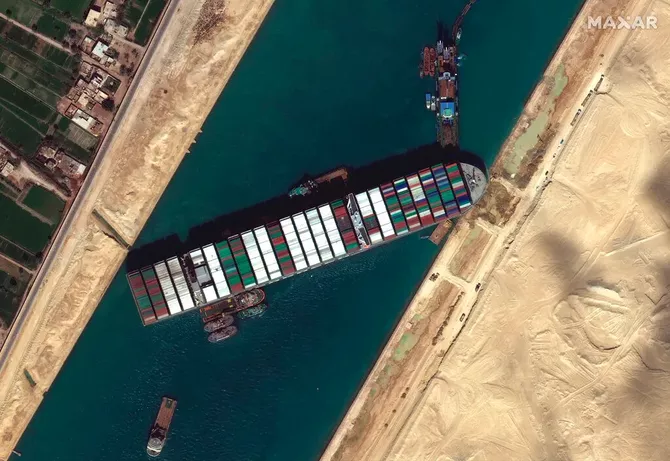
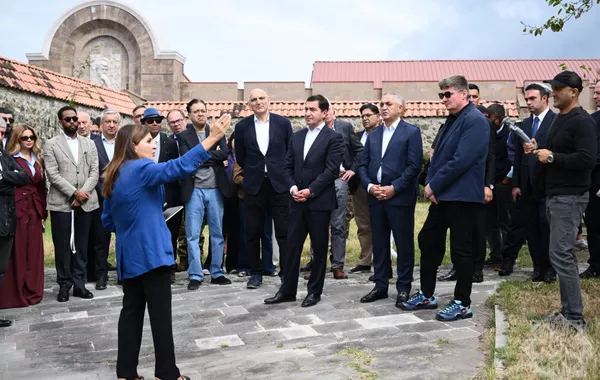
Photo credit: AP
Third, states across the Caspian region and the South Caucasus intensified coordination, recognizing that transit is not merely a service but a source of political influence, investment, and long-term strategic relevance.
The Role of the Caspian Sea
The Caspian Sea is the geographic and strategic core of the Middle Corridor. It connects Central Asia to the South Caucasus and onward to Europe.
At the same time, the Caspian is not simply a body of water but a complex political and legal space governed by a unique regime involving five littoral states. Shipping capacity, port infrastructure, customs harmonization, and security issues directly affect the corridor’s efficiency.
Investments in the ports of Aktau, Kuryk, and Baku have significantly expanded ferry capacity and reduced transit times. Nevertheless, challenges remain, including weather dependence, limited fleet availability, and the need for further digitalization of customs procedures.
Despite these constraints, the Caspian is increasingly seen not as a bottleneck but as a strategic connector.
Financing the Middle Corridor: Why There Is No Single “Total Figure”
A common question is how much China, Kazakhstan, Azerbaijan, Türkiye, and Georgia have invested specifically in the Middle Corridor. The difficulty is that the corridor has no single, unified budget. It is a decentralized network of national segments and projects financed through:
state budgets and national programs,
state-owned railway and port companies,
private investment,
and international development banks.
As a result, it is more accurate to speak about project-linked investments rather than one aggregated figure per country.
China’s Contribution
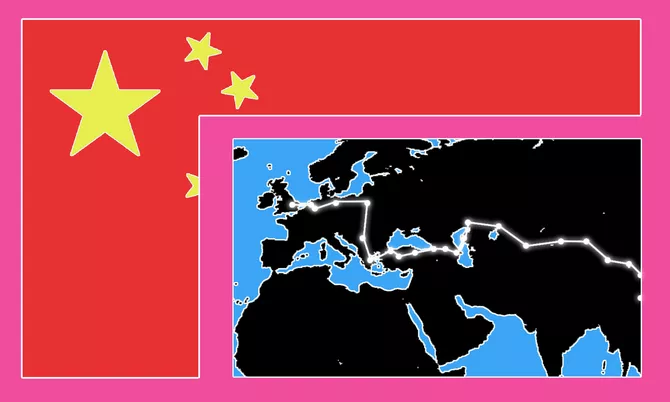
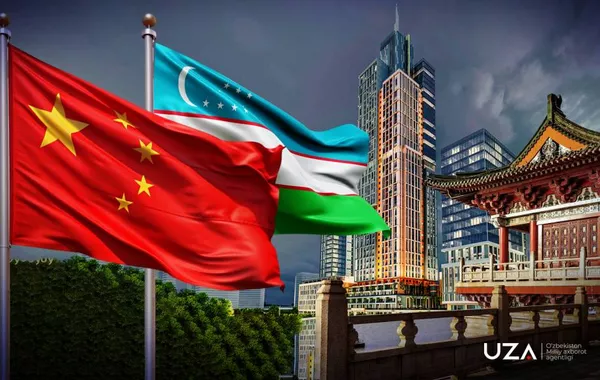
Illustration for The China Project by Derek Zheng
China participates in the Middle Corridor primarily through logistics and infrastructure projects in Central Asia and cooperation with key nodes along the Caspian and South Caucasus.
Publicly reported figures include:
Grant support of approximately $70 million and equipment worth around $2 million provided for the Port of Baku (Alat).
Participation by Chinese companies as strategic partners in a $300 million project to build a new seaport in Aktau.
uch of China’s involvement remains embedded within broader Belt and Road projects. Consequently, it does not appear as a single, consolidated “Middle Corridor” investment figure. Beijing’s approach is pragmatic: the corridor is treated as a complementary route rather than a sole alternative.
Kazakhstan’s Contribution
Kazakhstan serves as the eastern anchor of the Middle Corridor and one of its main beneficiaries.
Key figures and indicators include:
Over roughly 15 years, Kazakhstan has invested around $35 billion in its transport sector (a broad framework that includes, but is not limited to, the Middle Corridor).
For the modernization of the Port of Aktau, financing packages of up to €45 million have been reported, including a €35 million EBRD loan and up to €10 million in EU grants to expand container handling capacity.
Projects at Aktau and Kuryk continue to be developed in stages, meaning Kazakhstan’s cumulative investment linked to the corridor keeps growing without being consolidated into a single public figure.
Azerbaijan’s Central Role and Investment
Azerbaijan occupies a uniquely central position. Geographically, it is the only state directly linking the Caspian Sea with the South Caucasus and Türkiye.
One of the clearest financial contributions is tied to the Baku-Tbilisi-Kars (BTK) railway:
Azerbaijan financed the Georgian section through two credit tranches-$200 million and $575 million-for a total of $775 million.
Additional investments include:
Approximately $20 million allocated for equipment upgrades at the Port of Baku.
A further $12 million injected into the port’s capital structure in subsequent expansion phases.
Beyond these figures, Azerbaijan’s contribution also encompasses rail modernization, highways, and logistics hubs, all developed as part of a broader strategy to position the country as a regional transport and logistics center.
Türkiye’s Contribution
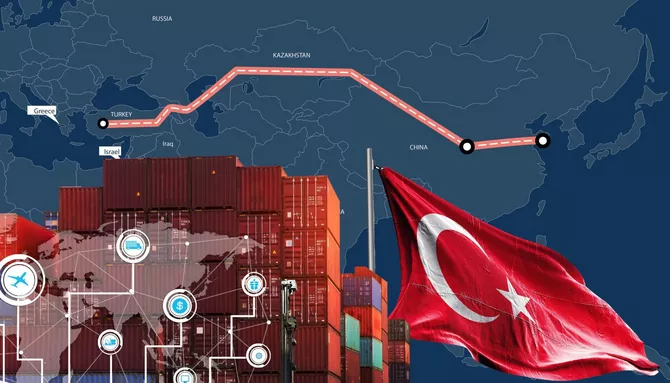
Photo credit: Azernews
Türkiye acts as the western gateway of the Middle Corridor and a critical link to European markets.
Key figures associated with Türkiye include:
Early estimates for the BTK railway placed total costs at around $422 million, with approximately $220 million attributed to the Turkish segment.
The World Bank has approved $660 million in financing to modernize the Divriği-Kars railway line, explicitly framed as part of the Middle Corridor.
Additional assessments cited project packages valued at $1.6 billion and even $8.1 billion for broader rail modernization linked to the corridor’s objectives.
These investments reflect Türkiye’s ambition to position itself as a Eurasian transit hub.
Georgia’s Contribution
Georgia plays the role of a transit bridge between Azerbaijan and Türkiye and provides access to the Black Sea.
While Georgia’s state budget is more limited, significant investments include:
Commitments by the operator of the Port of Poti to invest at least $200 million in port expansion.
Ongoing modernization supported by international financial institutions, including projects aligned with EBRD and OECD standards.
Poti is strategically important: without sufficient Black Sea port capacity, the western end of the Middle Corridor would face structural constraints.
Central Asia: From Landlocked to Connected
For Central Asian states-above all Kazakhstan-the Middle Corridor offers a partial escape from geographic constraints.
Long described as “landlocked,” the region historically depended on a limited number of transit routes controlled by external powers. The Middle Corridor does not replace existing routes; it diversifies them.
Diversification introduces competition, and competition reshapes power balances.
How the Middle Corridor Differs from Other Routes
The Middle Corridor is often compared with the Northern and Southern routes, but such comparisons miss the core issue.
The Northern Corridor was designed for efficiency under conditions of political stability that no longer exist. The Southern Corridor, while promising, faces its own geopolitical and infrastructural limitations.
The Middle Corridor’s key advantage lies in diversification. It spreads risk across multiple states and modes of transport, reducing vulnerability to single-point disruptions.
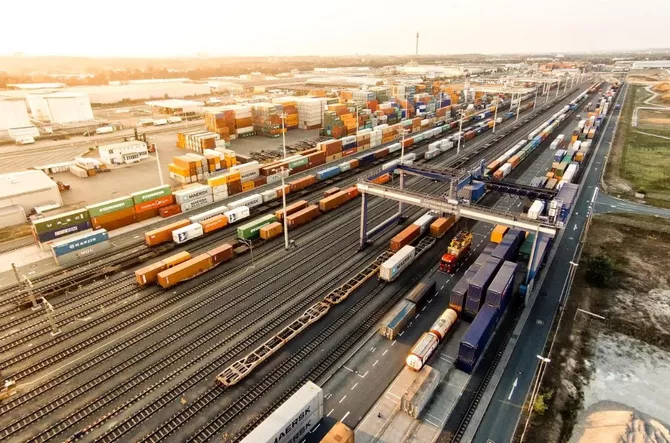
Photo credit: Trend
The Geopolitical Significance of the Middle Corridor
The corridor’s importance extends far beyond logistics.
It encourages regional cooperation among Caspian and South Caucasus states, weakens the monopoly of traditional transit powers, and gradually redistributes influence across Eurasia.
For China, it provides additional flexibility. For Europe, it offers diversification at a time when energy and trade security have become strategic priorities. For regional states, it presents a rare opportunity to convert geography into political agency.
Remaining Challenges
Despite growing attention, the Middle Corridor faces persistent challenges.
Infrastructure gaps remain, coordination across jurisdictions is complex, and regulatory harmonization is incomplete. Moreover, success depends not only on physical infrastructure but also on political stability and sustained cooperation-factors that cannot be taken for granted in this region.
Such challenges, however, are typical of large transport projects in their formative stages.
What Comes Next
The Middle Corridor is unlikely to fully replace existing routes. Instead, it will form part of a more fragmented yet more resilient global logistics system.
Its future will depend on continued investment, political will, and the ability of regional states to act collectively rather than competitively.
One thing is already clear: the Middle Corridor is no longer an abstract concept. It has become an emerging reality-one that reflects a broader shift in how Eurasia connects with the rest of the world.