The Central Asia Water-Land Nexus programme launched its implementation phase at the Eighth Assembly of the Global Environment Facility (GEF). Funded by the GEF and implemented by the Food and Agriculture Organization of the United Nations (FAO), the regional programme brings five countries together to advance integrated approaches to land and water management in Central Asia.
On 4 June 2026, ahead of the World Environment Day, ministers and senior officials from Kazakhstan, the Kyrgyz Republic, Tajikistan, Turkmenistan and Uzbekistan addressed growing environmental pressures across the region and explored opportunities for strengthened regional cooperation at a high-level roundtable, The Caspian Post reports via FAO.
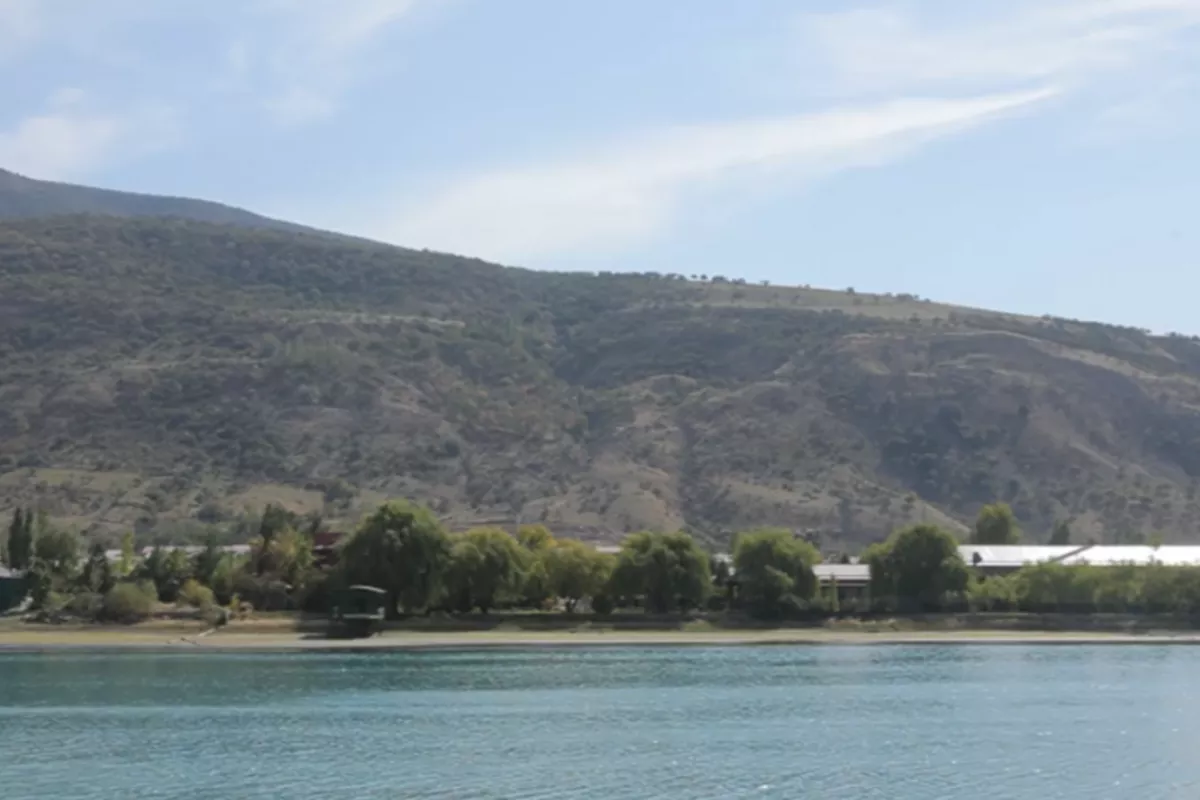
Central Asia is home to ecologically important river and wetland systems, vast grasslands, semi-deserts, deserts, and high mountain ranges that support unique species and habitats. The Amu Darya and Syr Darya river basins are the primary source of water for these systems and support around 60 million people, or about 80% of the total population of the five countries. The ecosystems provide essential services to people, including water, food and livelihoods, and their improved management are critical to meeting environmental commitments and achieving the Sustainable Development Goals.
At the same time, increasing demand for natural resources and the impacts of climate change are placing growing pressure on these systems. Water availability is an acute concern in this largely arid region, where limited resources and fragile vegetation are already under stress. Nearly half of the region is affected by land degradation, resulting in estimated economic losses of around USD 6 billion annually.
The CAWLN programme responds to these challenges through a coordinated, science-based and transboundary approach to managing land, water and ecosystems. It is designed to improve the health of agricultural land and watersheds, reduce deforestation and support rural economies, while strengthening water security and resilience across the region.
During the roundtable, ministers and senior officials emphasized the importance of joint action and regional cooperation to address interconnected environmental challenges.
“From water scarcity to land degradation, these interconnected challenges demand a shift in how we manage water and land, and how we produce food. The FAO-GEF Central Asia Water-Land Nexus Programme supports countries to work together-strengthening transboundary governance, scaling up practical action on the ground, and improving data and monitoring across agrifood systems.” - Godfrey Magwenzi, FAO Deputy Director General
"The CAWLN program sends a strong signal that countries recognize transboundary water and landscape cooperation as a promising pathway to secure healthier ecosystems and livelihoods," said GEF Interim CEO and Chairperson, Claude Gascon. "The GEF stands ready to support all countries and regions to implement such approaches and realize their commitments toward environmental cooperation."
Participants highlighted that “nexus” approaches, recognizing the interlinkages between land, water, biodiversity and climate systems, are essential to delivering more effective and sustainable outcomes across sectors and national boundaries.
The programme focuses on the Amu Darya and Syr Darya river basins and promotes a transformative approach to managing shared basins at the regional level, while supporting national transition toward sustainable agriculture, biodiversity conservation and climate planning. It will strengthen transboundary and cross-sectoral cooperation, enhance governance frameworks, and build capacities for integrated watershed management.
In practical terms, the programme will support improved earth observation and monitoring systems, including satellite-based tools for decision-making and early warning, while promoting sustainable land management practices and ecosystem restoration. It will also encourage gender-responsive approaches and multi-stakeholder engagement to advance land degradation neutrality and protect biodiversity.
The CAWLN programme is implemented through a coordinated set of regional and national projects across the five countries, addressing shared challenges in river basin management, land restoration and climate resilience.
The roundtable concluded with the official launch of the CAWLN implementation phase, marking a key step towards reversing environmental degradation trends and advancing integrated natural resource management in the region.
About Food and Agriculture Organization of the United Nations
The Food and Agriculture Organization (FAO) is a specialized agency of the United Nations that leads international efforts to defeat hunger. Our goal is to achieve food security for all and make sure that people have regular access to enough high-quality food to lead active, healthy lives. With 194 members - 193 countries and the European Union, FAO works in over 130 countries worldwide.
Since 2006, FAO has been partnering with the Global Environment Facility (GEF) to support countries worldwide in addressing the complex challenges at the nexus between the agrifood systems and the environment. As of March 2025, FAO has secured over $1.9 billion in GEF grants and attracted another $13.4 billion in co-financing pledges to assist more than 130 countries in projects that respond to local priorities, deliver global environmental benefits, and advance the Sustainable Development Goals (SDGs).
About Global Environment Facility
The Global Environment Facility (GEF) is the world’s largest multilateral fund for the environment. Its family of funds work together to address the planet's most pressing challenges in an integrated way. Its financing helps developing countries address complex challenges and work towards meeting international environmental goals. Over the past three decades, the GEF has provided more than $27 billion in financing, primarily as grants, and mobilized another $155 billion for country-driven priority projects.
About Central Asia Water and Land Nexus
The Central Asia Water and Land Nexus (CAWLN) programme, financed by the Global Environment Facility (GEF) and implemented by the Food and Agriculture Organization of the United Nations (FAO) is aimed at addressing common environmental and social challenges faced by the countries of Central Asia - Kazakhstan, Kyrgyzstan, Tajikistan, Turkmenistan and Uzbekistan.