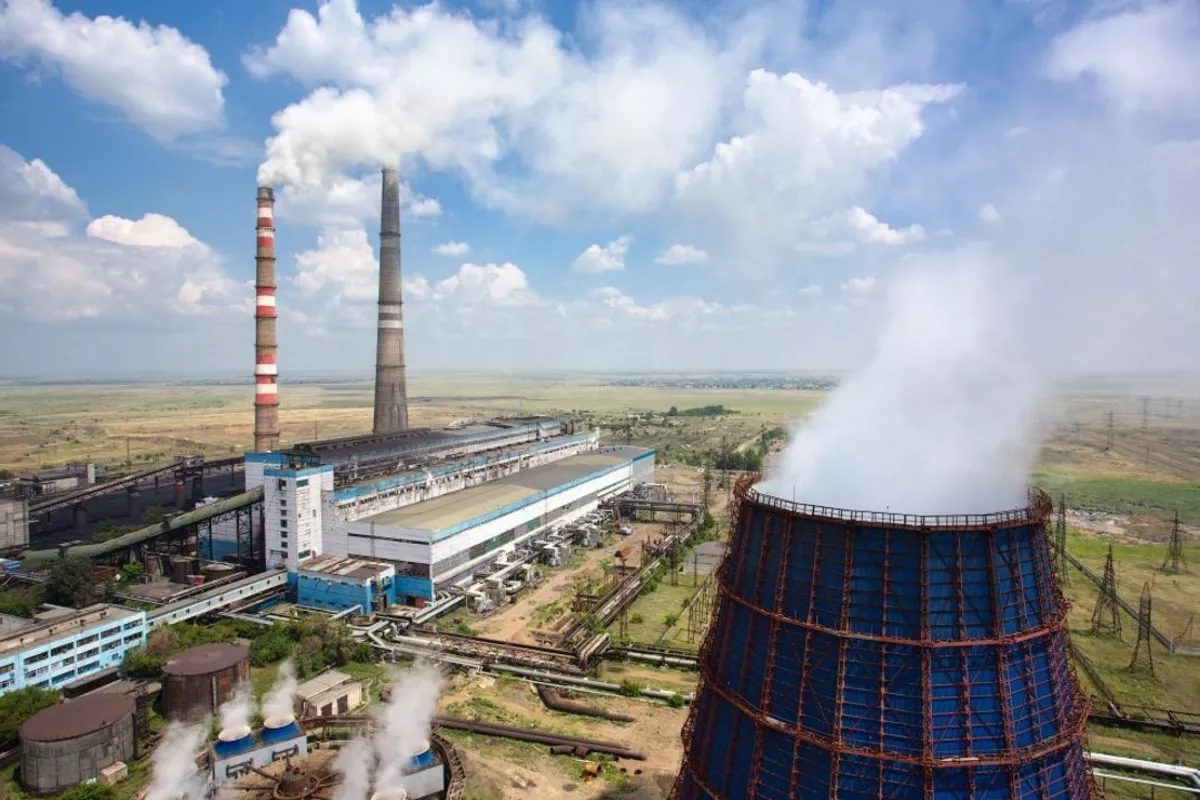
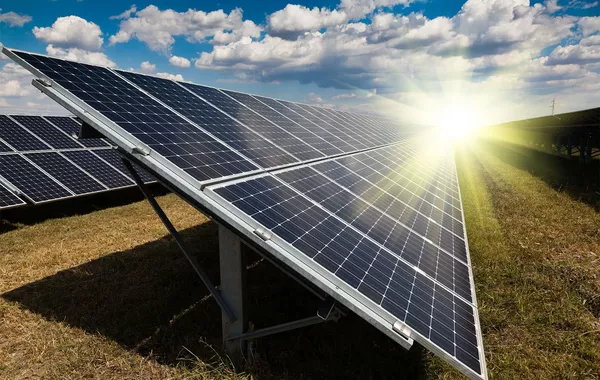
Central Asia today is walking a narrow and increasingly unstable energy tightrope. The region is attempting to pursue two objectives simultaneously: sustaining energy systems that remain deeply anchored in fossil fuels, while accelerating a transition toward greener, more resilient power sectors. This dual approach is not a contradiction so much as a strategy of survival. Fossil energy underwrites state budgets, political stability, and industrial activity, while renewable energy is becoming essential for managing rising demand, mitigating climate risk, and preserving long-term economic competitiveness.
In 2025-2026, this balancing act has emerged as the defining energy narrative across Kazakhstan, Uzbekistan, Kyrgyzstan, Tajikistan, and Turkmenistan. None of these states can afford a rapid abandonment of hydrocarbons, yet none can ignore the mounting pressures-economic, environmental, and geopolitical-that are reshaping the global energy landscape. The result is not a clean “energy transition,” but a process of sequencing, hedging, and adaptation that reflects both constraint and pragmatism.
Why the Balance Is Becoming More Difficult
Several structural forces are converging to make energy management in Central Asia more complex and politically sensitive than at any point since independence.
First, electricity demand is rising sharply. Population growth, industrial policy, digitalization, and electrification are pushing consumption upward, while climate change is amplifying seasonal peaks. Hotter summers are increasing cooling demand, while harsher and more volatile winters continue to strain heating systems. In this context, power shortages are no longer merely technical challenges. They are political events that directly affect public trust and government legitimacy. Rolling blackouts, winter rationing, or industrial disruptions carry immediate social and economic costs.
Second, fossil energy remains the fiscal backbone of the state. Kazakhstan’s oil revenues, Turkmenistan’s gas exports, and Uzbekistan’s hydrocarbon legacy continue to fund budgets, sustain elite bargains, and shape foreign policy leverage. Even when governments announce ambitious green strategies, they cannot abruptly dismantle the very sectors that finance governance and social stability. This creates an inherent tension between long-term decarbonization goals and short-term political realities.
Third, the economics of new power generation have shifted decisively. Wind and solar have become among the cheapest forms of new electricity generation globally, including in Central Asia’s resource-rich landscapes. This shift is visible in the region’s growing reliance on competitive renewable auctions and independent power producer (IPP) models. The policy question has evolved from whether renewables should be developed to how they can be integrated into aging and often inflexible power systems without undermining reliability.
Finally, external markets are adding carbon-related pressure. Kazakhstan, in particular, faces growing exposure to Europe’s Carbon Border Adjustment Mechanism (CBAM), which places additional scrutiny and potential costs on carbon-intensive exports. Modeling by international financial institutions shows that CBAM exposure is concentrated in energy-intensive sectors such as aluminum and metals, turning electricity decarbonization into a matter of industrial competitiveness rather than environmental branding alone.
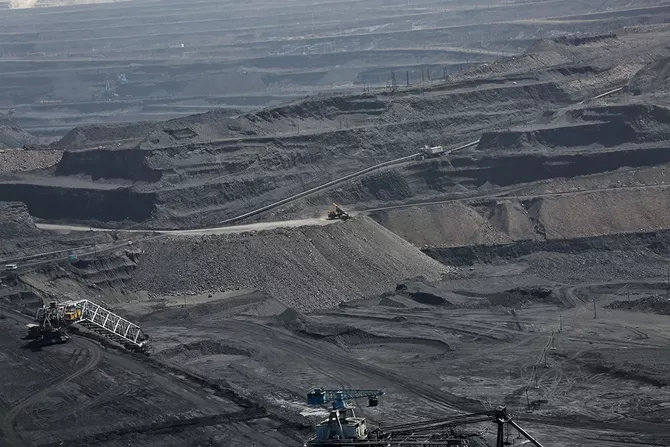
Photo: Samruk-Energy JSC
Kazakhstan: Coal Dominance Meets Auction-Driven Renewables
Kazakhstan sits at the center of Central Asia’s energy balancing act. It has the region’s largest economy and some of its strongest wind and solar potential, yet it also operates one of the most carbon-intensive power systems in Eurasia. Coal remains deeply embedded in Kazakhstan’s energy structure, supplying the majority of electricity generation and an even larger share of thermal energy used for district heating.
This legacy makes decarbonization structurally difficult. Coal plants are not only sources of power; they provide system inertia, dispatchable capacity, and heat for urban centers. They are also linked to employment, regional development, and social stability in coal-producing regions.
At the same time, Kazakhstan has moved decisively to expand renewable capacity through competitive auctions. In 2025, the government approved a schedule for auctioning roughly 1,810 megawatts of renewable capacity, including large-scale wind, solar, small hydropower, and bioenergy projects. These volumes are significant, signaling a state-led strategy to attract private capital, lower generation costs, and diversify the energy mix.
Yet Kazakhstan’s challenge extends beyond adding new capacity. The deeper issue lies in system transformation. Variable renewables require flexibility, storage, and modern grid management-features that Kazakhstan’s aging transmission network does not yet provide at sufficient scale. Grid bottlenecks risk turning newly installed capacity into stranded assets, while curtailment undermines investor confidence.
The political economy of transition further complicates reform. Coal-dependent regions, industrial consumers, and district heating systems all have entrenched interests that resist rapid change. Although Kazakhstan has formalized long-term climate ambitions, including a carbon neutrality strategy targeting net-zero emissions by 2060, the pace of real change will be determined less by targets than by investments in grids, storage, flexible generation, and market rules that make renewable integration reliable and bankable.
Uzbekistan: Renewables as a Response to Gas Constraints
Uzbekistan’s energy transition in 2025-2026 is driven less by climate ideology than by urgency. Natural gas has historically anchored the country’s power sector, but domestic production constraints and surging demand have exposed the fragility of this model. Declining gas output, combined with rising consumption from households and industry, has forced policymakers to confront the limits of hydrocarbon dependence.
In response, Uzbekistan has pursued one of the fastest renewable build-outs in the region. By early 2026, the country had nearly 5,000 megawatts of operational solar and wind capacity, alongside several hundred megawatts of hydropower. Renewable energy accounted for roughly 30 percent of total installed generation capacity-an impressive figure by regional standards.
This expansion has been enabled by a familiar formula: international developers, multilateral development bank financing, and risk-mitigation instruments that enhance offtake credibility. Financial closes on large solar projects backed by institutions such as the Asian Development Bank illustrate how bankability has become the linchpin of Uzbekistan’s energy strategy.
The balancing act in Uzbekistan is therefore highly pragmatic. Gas remains essential for system stability, industrial supply, and winter heating. Renewables, meanwhile, serve as capacity insurance, offering the fastest route to closing power deficits without exacerbating fuel shortages. The constraint is no longer ambition, but infrastructure. Transmission upgrades, dispatch reform, storage, and institutional capacity must catch up with the pace of generation expansion to avoid new vulnerabilities.
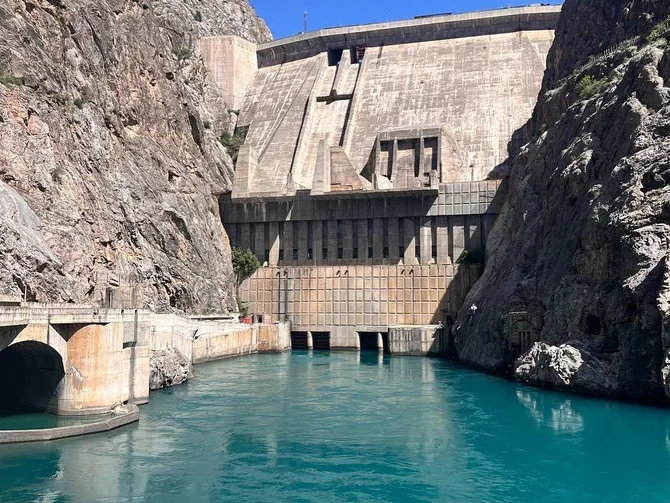
Photo: minenergo.gov.kg
Kyrgyzstan and Tajikistan: Hydropower as Backbone and Bargaining Chip
While Kazakhstan and Uzbekistan focus on solar and wind, Kyrgyzstan and Tajikistan already possess Central Asia’s most significant green asset: hydropower. Yet in this region, hydropower is never just about electricity. It is inseparable from water management, agriculture, and regional diplomacy.
Kyrgyzstan’s flagship project, the planned Kambarata-1 hydropower plant, embodies this complexity. With a projected capacity of 1,860 megawatts, the project is designed not only to address domestic shortages but to reshape regional energy and water coordination. A 2024 ministerial agreement between Kyrgyzstan, Kazakhstan, and Uzbekistan signaled a rare step toward collective infrastructure planning in a region long marked by water-energy disputes.
By 2025, financing signals had strengthened. Discussions involving European and multilateral lenders suggested growing confidence that Kambarata-1 could move from concept to construction. The project has become a test case for whether Central Asia can implement cooperative, large-scale clean energy infrastructure backed by shared governance arrangements.
Tajikistan’s long-term strategy remains anchored in the Rogun hydropower project, designed at 3,780 megawatts. Rogun is intended to eliminate winter shortages and eventually enable electricity exports, transforming Tajikistan into a regional energy supplier. Construction and procurement activity continued through 2025, reflecting sustained political commitment.
Yet hydropower is not immune to climate risk. Glacier retreat, altered river flows, and extreme seasonal variability are increasing uncertainty. For both Kyrgyzstan and Tajikistan, hydropower’s future viability depends on complementary investments in grid resilience, demand management, and regional coordination.
Turkmenistan: Gas Dominance and Incremental Green Logic
Turkmenistan represents the clearest case of fossil dependence in Central Asia. Natural gas exports underpin the country’s economy and foreign policy, with China absorbing the majority of volumes through the Central Asia-China pipeline system. Export concentration creates vulnerability, particularly as global energy markets evolve and buyer leverage shifts.
In this context, green transformation in Turkmenistan is not framed as a rapid pivot but as risk management. Diversifying export routes, improving efficiency, and gradually modernizing infrastructure serve to reduce dependence on a single market and prepare for a future in which carbon intensity increasingly influences trade and finance.
Even recent gas diplomacy reflects this logic of optionality, as Turkmenistan seeks additional outlets through swap arrangements and regional agreements. While renewable deployment remains limited, the underlying pressures-carbon scrutiny, export concentration, and domestic modernization needs-mirror those facing its neighbors.
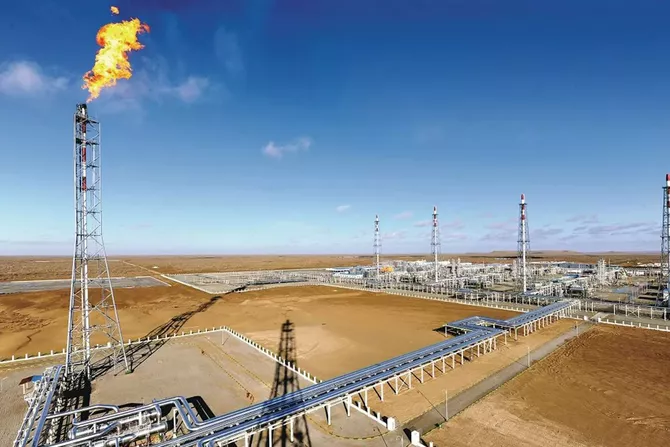
Photo: turkmenistan.gov.tm
The Regional Constraint: Systems, Not Projects
Across Central Asia, the energy transition is increasingly constrained not by ambition or resources, but by system design. Governments can announce targets and sign contracts, but integrating new capacity into aging grids presents five persistent bottlenecks: transmission and interconnection gaps, financing and bankability challenges, fossil lock-in through heat and industry, water-energy trade-offs, and rising carbon competitiveness pressures from external markets.
A Strategy of Sequencing, Not Replacement
The most accurate way to understand Central Asia’s energy direction in 2025-2026 is through the lens of sequencing rather than substitution. Fossil energy remains indispensable in the near term, financing states and stabilizing systems. At the same time, renewable energy is expanding rapidly because it addresses immediate capacity needs and protects long-term competitiveness in a carbon-constrained world.
Whether fossil wealth becomes a bridge or a trap will depend on system-building: grids that can absorb renewables, governance that enables private investment, and regional coordination that reduces seasonal stress. The balancing act is no longer temporary-it is the strategy. And in Central Asia, strategy often determines whether energy delivers autonomy or dependency, resilience or recurring crisis.