IEA Sees Major Rooftop Solar Potential in Türkiye
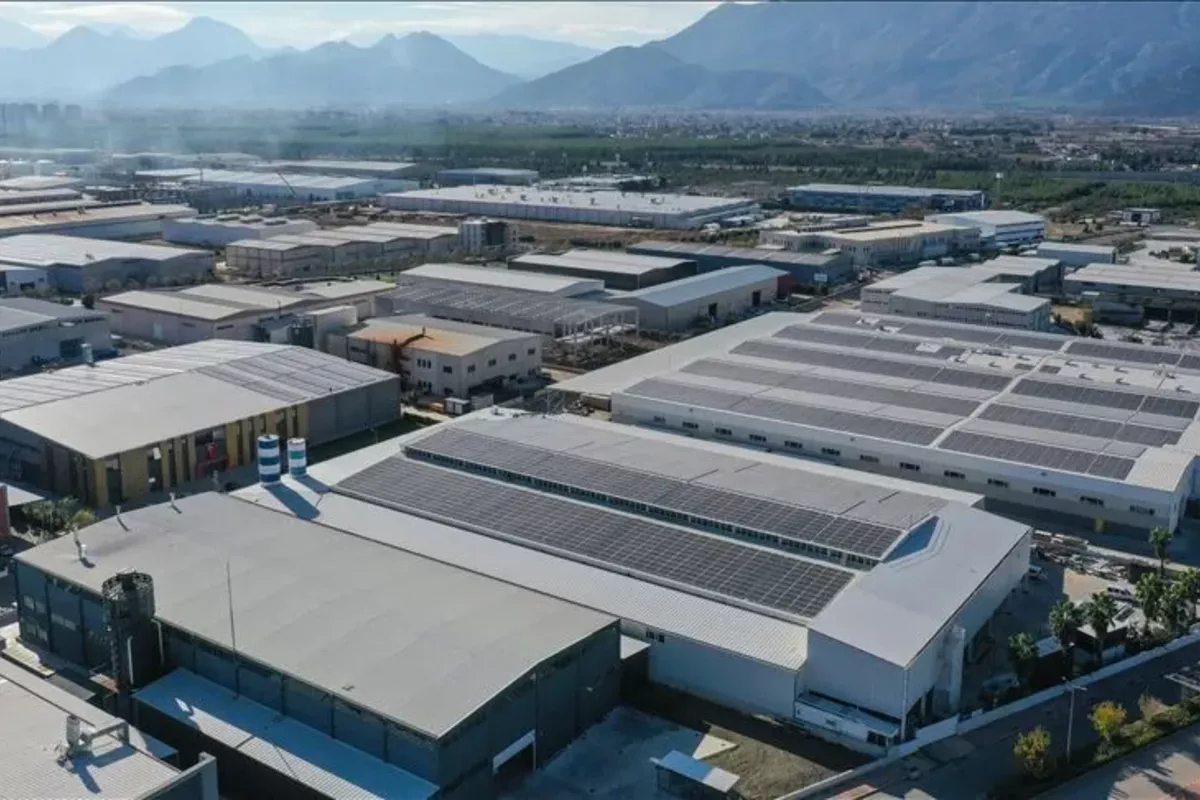
Türkiye could add around 120 gigawatts (GW) of solar photovoltaic (PV) capacity through rooftop installations, which would be enough to meet 45% of the country’s electricity demand if fully developed, according to the International Energy Agency (IEA).
The expansion of rooftop solar could help decentralize electricity generation, reduce reliance on centralized energy systems and increase the share of solar power in Türkiye’s electricity mix, the IEA said in its “Türkiye Energy Policy Review,” The Caspian Post reports, citing Anadolu Agency.
The model could also reduce dependence on energy generation subsidies while allowing consumers to produce electricity at more affordable costs.
Türkiye’s three most populous cities - Istanbul in the northwest, Ankara in central Türkiye and Izmir on the Aegean coast - also have the country’s highest rooftop solar potential.
According to the report, expanding rooftop solar is important not only for increasing renewable energy capacity but also for strengthening energy security.
Rooftop solar systems could contribute to a more resilient and decentralized energy system by helping maintain electricity supply, at least to some extent, when centralized energy systems are disrupted by natural disasters such as earthquakes.
Despite the advantages of rooftop solar PV compared with large-scale solar power plants, its deployment continues to face regulatory and practical challenges.
In 2019, Türkiye introduced a monthly net metering system that allows residential solar users to sell excess electricity at consumer rates.
However, the length of the installation process remains one of the factors limiting the expansion of rooftop solar. The process, which requires approval from multiple authorities between application and installation, can take up to 27 weeks.
Türkiye is implementing a series of reforms and investments to achieve its 2035 wind and solar energy targets.
Legal amendments introduced on July 24, 2025, paved the way for reducing the permitting process for wind and solar power plants from approximately 48 months to 18 months.
Further improvements to application procedures, along with requirements for rooftop solar systems on new and public buildings, could help Türkiye advance its energy and self-sufficiency targets while enabling consumers to generate electricity at lower costs.
Solar photovoltaic (PV) technology has benefited most from Türkiye’s unlicensed electricity generation regime, which has driven a rapid increase in rooftop solar installations, particularly in the residential and agricultural sectors.
Solar PV accounted for 97% of the country’s unlicensed electricity generation capacity, or approximately 23 GW, at the end of 2025.
According to the report, strengthening distributed energy infrastructure will be important to further expand this capacity, while smart meters are expected to support the development of small-scale, distributed and renewable energy infrastructure.
A key objective of the roadmap is to add 35 GW of flexible resources to the electricity system.
Of this total, 10 GW will come from rooftop solar combined with storage, 10 GW from large-scale energy storage, 5 GW from grid management and 10 GW from demand-side management.
With the expansion of distributed generation, the deployment of smart meters and increased energy storage capacity, rooftop solar is expected to play a greater role in Türkiye’s electricity system, both by increasing the share of renewable energy and strengthening energy security.