Source: TASS
Russia is facing growing difficulties in exporting its crude oil as tighter enforcement of Western sanctions and continued Ukrainian drone strikes on domestic refineries disrupt the country's energy logistics and shipping operations.
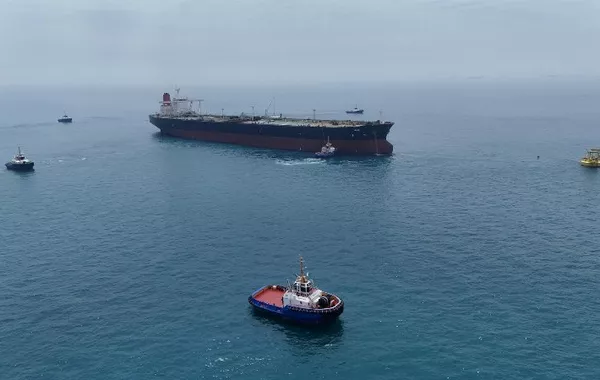
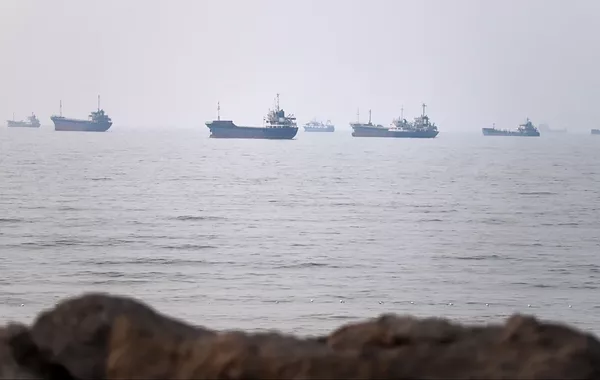
According to vessel-tracking data, at least 10 tankers loaded with Russian crude are currently anchored while awaiting onward shipment, The Caspian Post reports, citing Bloomberg.
Five vessels are positioned near the Mersa El Hamra oil terminal on Egypt's Mediterranean coast, while another five are anchored off Indonesia's Riau Islands, east of Singapore, where ships linked to Russia's so-called "shadow fleet" have accumulated.
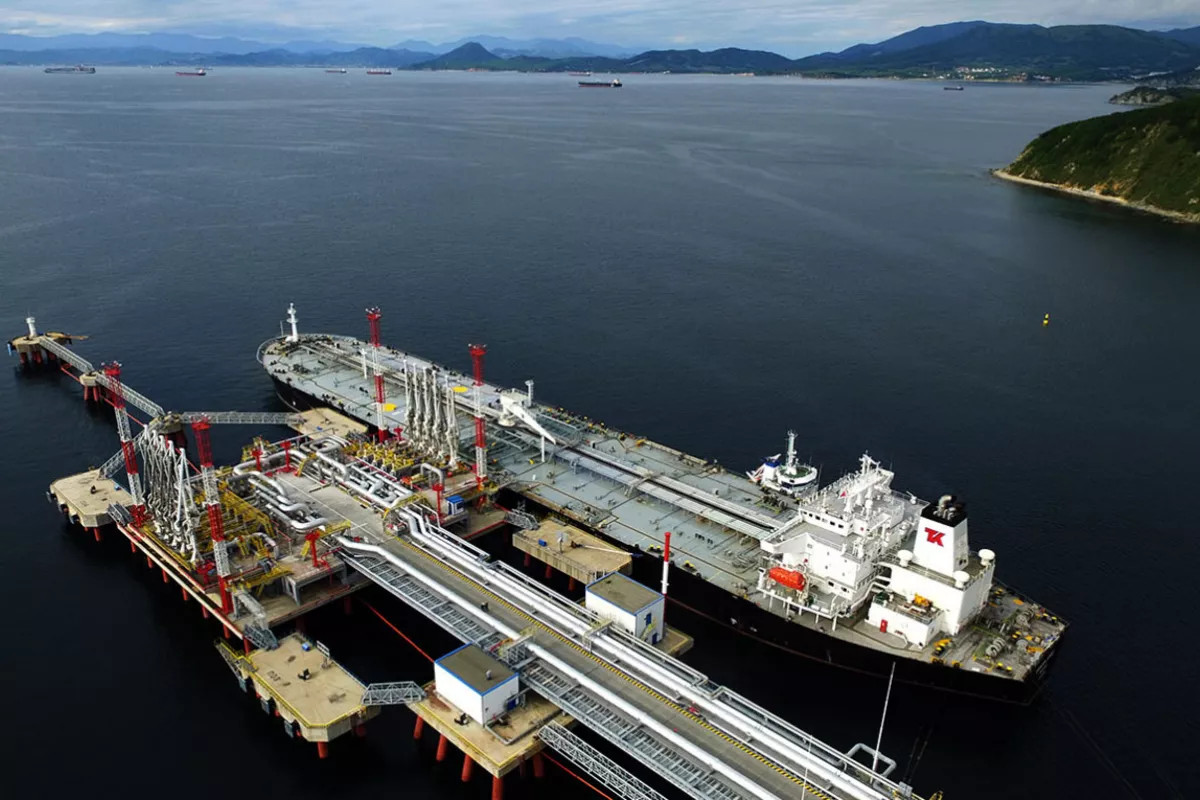
The congestion has also reached Russia's Far Eastern export hubs. Cargoes of Sokol and Sakhalin Blend crude are reportedly experiencing delays of several weeks before they can be transferred from shuttle tankers to ocean-going vessels. Similar bottlenecks have also affected some ESPO crude shipments, which have been building up near the Kozmino export terminal.
As a result, the amount of Russian crude stored aboard tankers at sea has climbed to around 135 million barrels as of July 12, underscoring the increasing impact of sanctions-related shipping constraints on Moscow's oil exports.
Russia is also finding it increasingly difficult to move all of the crude it is being forced to export overseas after repeated Ukrainian drone strikes disrupted operations at domestic refineries, reducing the country's capacity to process oil at home.
Despite these logistical obstacles, Russia's seaborne crude exports have remained broadly stable. Tanker-movement data show that the four-week average of seaborne crude shipments reached 4.21 million barrels per day in the period ending July 12, virtually unchanged from the previous reporting period and only 10,000 barrels per day below the highest level recorded since Russia launched its full-scale invasion of Ukraine in 2022.
Before the invasion, around 600,000 barrels of Russian crude per day were transported via pipelines to refineries across Europe, a trade route that has since been largely cut off by Western sanctions.
Share on social media