The Strait of Hormuz is one of the most strategically important waterways in the world economy. Despite its relatively small geographic size, this narrow passage plays a crucial role in global energy markets, acting as the primary maritime gateway for oil exports from the Middle East to the rest of the world.
Understanding the importance of the Strait of Hormuz helps explain why developments in the region often influence global oil prices, energy security, and international geopolitics.
A Critical Global Energy Corridor
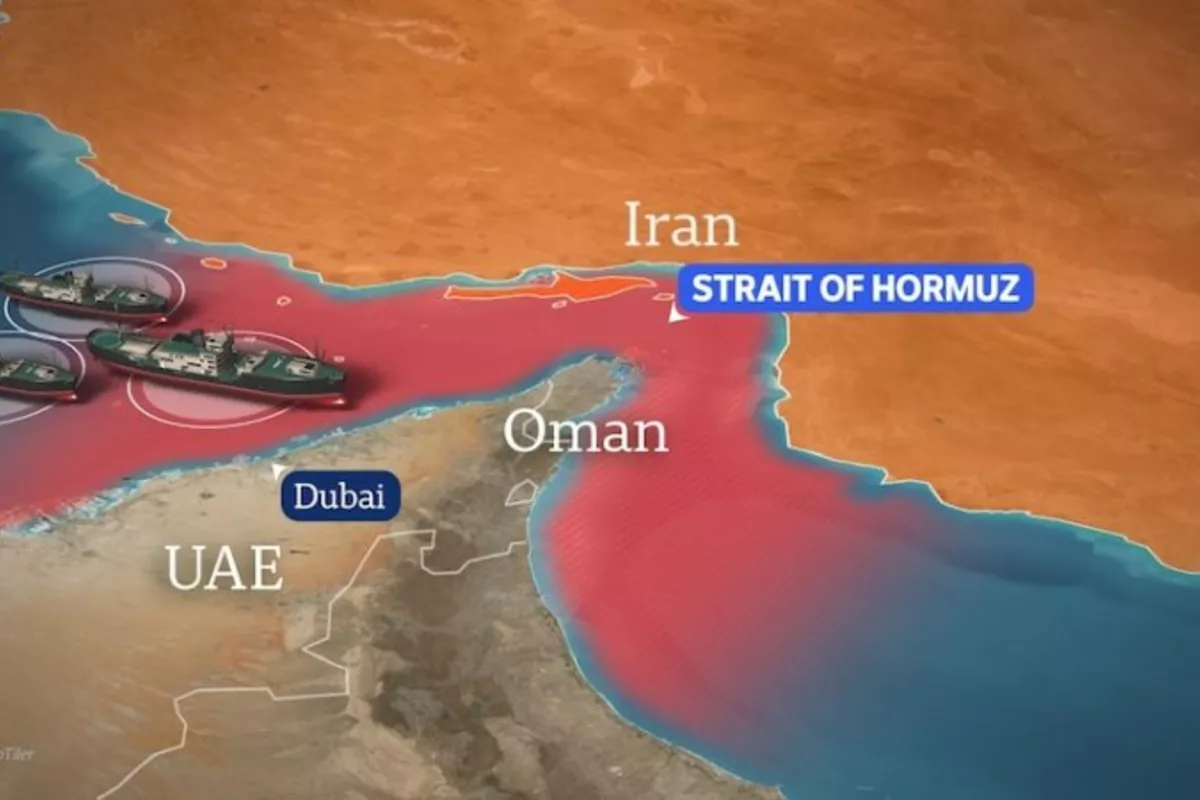
The Strait of Hormuz connects the Persian Gulf with the Gulf of Oman, which then leads to the Arabian Sea and the Indian Ocean. At its narrowest point, the strait is only about 33 kilometers wide, while the shipping lanes used by large tankers are just a few kilometers across in each direction.
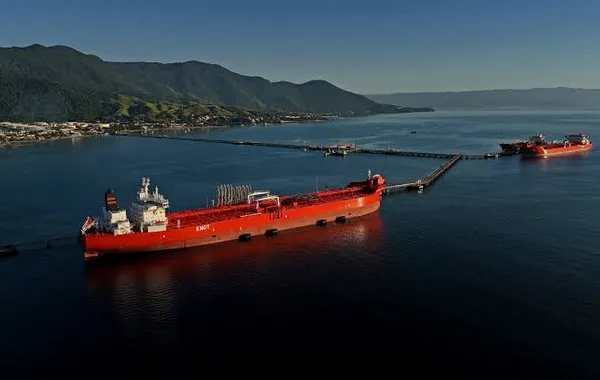
Because of this narrow geography, the strait functions as a chokepoint for global oil transportation. Tankers carrying crude oil and petroleum products from major Middle Eastern producers must pass through this corridor to reach international markets.
Countries whose exports depend heavily on this route include Saudi Arabia, Iraq, Kuwait, the United Arab Emirates, Qatar, and Iran. For many of these producers, the Strait of Hormuz is the most direct and economically viable route to global consumers.
A Significant Share of the World’s Oil Supply
The strait carries roughly one-fifth of the world’s oil trade, making it the most important oil transit chokepoint on the planet.
Every day, tens of millions of barrels of crude oil and refined petroleum products move through the waterway. In addition to crude oil, the route is also vital for shipments of liefied natural gas (LNG), particularly exports from Qatar, one of the world’s largest LNG suppliers.
Because such a large share of the global energy supply depends on the strait, any disruption-whether caused by geopolitical tensions, military conflict, or maritime incidents-can quickly affect international energy markets.
Why the Strait Is Strategically Sensitive
The strategic sensitivity of the Strait of Hormuz stems from both its geography and its political environment.
The northern coastline of the strait belongs to Iran, while the southern side is controlled by Oman and the United Arab Emirates. Because the waterway lies in a region marked by geopolitical rivalries and periodic tensions, the security of shipping in the strait has long been a concern for global powers.
Naval forces from several countries, including the United States and its allies, maintain a presence in the region to help protect commercial shipping and ensure freedom of navigation.
Historically, periods of tension in the Middle East have raised fears that the strait could be disrupted or temporarily blocked. Even the possibility of such a scenario is often enough to trigger volatility in global oil markets.
Impact on the Global Economy
Because so much of the world’s energy supply passes through the Strait of Hormuz, disruptions in the waterway can have far-reaching consequences.
A significant interruption could reduce oil supply on international markets, pushing prices higher and increasing energy costs for importing countries. Major consumers such as China, India, Japan, South Korea, and European nations depend heavily on energy shipments that transit this route.
Higher energy prices can ripple through the global economy, affecting transportation costs, manufacturing, and inflation.
For this reason, the stability of the Strait of Hormuz is considered a key component of global energy security.
Limited Alternative Routes
Although some alternative export routes exist-such as pipelines that bypass the Persian Gulf-these systems cannot fully replace the capacity of maritime shipments through the strait.
Saudi Arabia and the United Arab Emirates operate pipelines that transport oil to ports on the Red Sea or the Gulf of Oman, reducing reliance on the strait to some extent. However, the total capacity of these pipelines is far smaller than the volume of oil normally transported by tanker through the Strait of Hormuz.
As a result, the waterway remains an essential artery of the global energy system.
A Key Chokepoint in the World Economy
The Strait of Hormuz is far more than a narrow maritime passage. It is a central hub in the global energy network, linking the world’s largest oil-producing region with major consuming markets.
Its importance lies not only in the volume of energy resources that move through it, but also in the potential global consequences if that flow is disrupted.
For policymakers, energy markets, and international shipping industries, the security and stability of the Strait of Hormuz remain critical to maintaining the steady flow of energy that powers the global economy.