The confrontation between the United States, Israel, and Iran has entered a prolonged strategic phase following the initial shock of recent military operations. Analysts say the conflict reflects long-standing tensions rooted in Iran’s ideological opposition to Washington and Tel Aviv since the 1979 Islamic Revolution. Current actions appear aimed at undermining Iran’s nuclear, missile, and domestic security capabilities rather than prompting immediate regime change. The next phase may involve intensified strikes, cyber operations, and pressure on regional proxy networks.
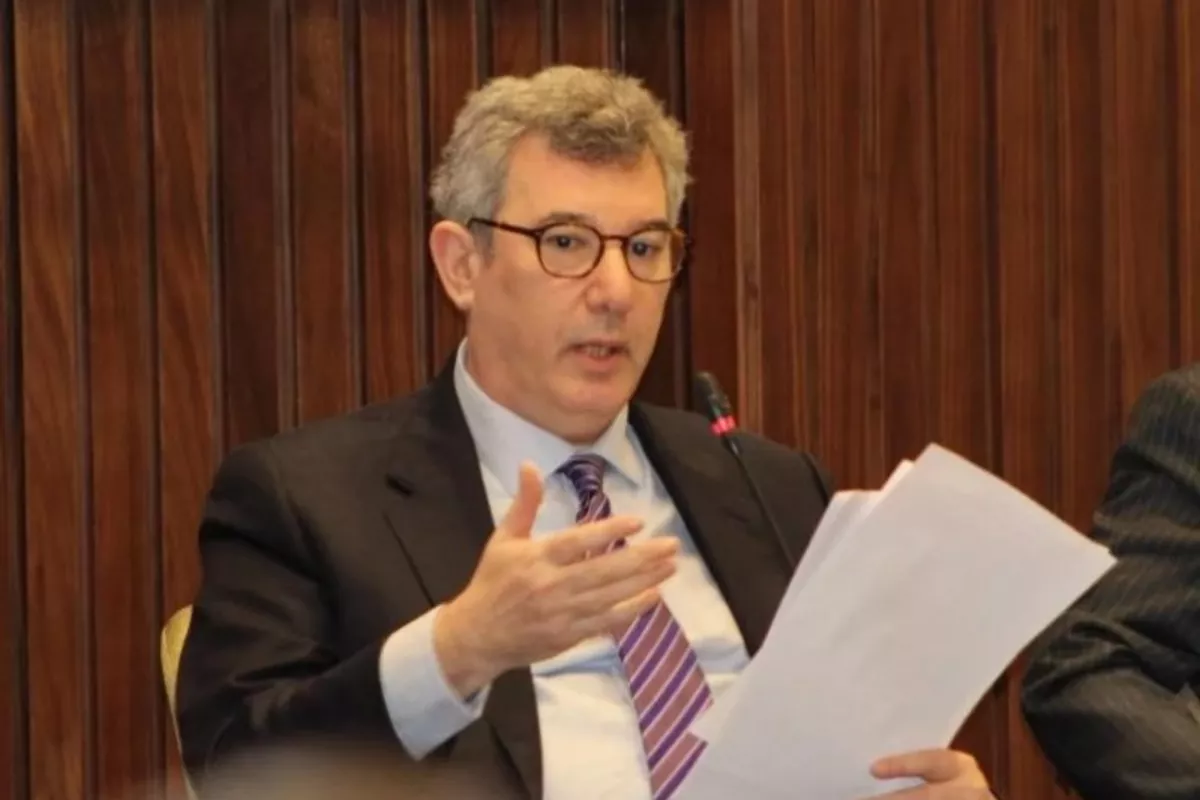
The Caspian Post analytical website spoke to Gil Mihaely, a historian and geopolitical analyst specializing in Middle Eastern politics and strategic affairs. Mihaely assessed the strategic dynamics of the confrontation and outlined potential developments in the next stage of escalation.
- Mr. Mihaely, what is your assessment of the current confrontation between the United States, Israel, and Iran?
- This is not a sudden clash but the culmination of a structural conflict rooted in the Islamic Republic’s ideological identity since 1979. Hostility toward the United States and Israel is a defining feature of the regime. Iran built a proxy network and pursued nuclear and missile capabilities to secure strategic immunity. The current episode reflects a decision to confront the regime directly by targeting its core capabilities rather than merely managing its regional extensions, as was done in previous decades.
After the initial shock, we have entered a longer, less dramatic phase in which the coalition aims to translate its military superiority over Iran into lasting strategic impact. Tactically, the operation has been highly effective, but it remains uncertain whether it will achieve the desired strategic outcomes.
- How do you forecast the next stage of the ongoing military escalation, and what strategic shifts could be expected?
- The next stage is likely to focus on degrading Iran’s strategic capacities and diminishing its ability to maintain internal control. The aim is not immediate regime change but to set back Tehran’s nuclear and missile programs by years and to weaken key domestic security and policing capacities, thereby increasing internal pressure on the regime itself.
We can expect intensified strikes against hardened targets, cyber and intelligence operations, special forces missions, and continued targeting of proxy networks in Lebanon, Iraq, and Yemen. Strategically, the approach is shifting from containment to direct rollback, driven by the concern that delaying action would allow Iran to entrench its assets and approach the nuclear threshold under stronger protection.
- How likely is the conflict to expand geographically? Could actors outside the region become directly or indirectly involved?
- Geographic expansion is already occurring. The Islamic Republic of Iran is targeting all the Gulf monarchies, including Oman, and is not limiting itself to American assets. Furthermore, Hezbollah has already been ordered to join the fighting and open a new front, as have several Iraqi militias.
The Strait of Hormuz is effectively blocked, giving the conflict a direct global impact. However, the war remains primarily an air campaign and is therefore relatively limited in scope and resources. Indirect involvement from outside actors is already occurring, as Iran’s strategy is prompting previously hesitant European and Arab states to support the coalition’s efforts. This support, however, is largely limited to diplomatic, economic, or intelligence assistance. Direct military participation beyond symbolic gestures does not appear likely at this stage.
The confrontation remains intense but measured, although Iran’s perception that it is fighting for its survival could drive further escalation, forcing other actors to reassess their positions and level of involvement in the conflict.
- Under what political and military conditions could the conflict shift from the military phase to diplomatic negotiations?
- A transition to diplomacy could occur under several scenarios. One possibility is that Iran concludes that continued escalation threatens the regime’s survival more than compromise does. In that case, it might choose to preserve, at a high cost, what remains of its nuclear infrastructure and buy time for a potential future comeback.
Another scenario is if Washington determines that further efforts would not yield significant gains and decides to consolidate current achievements. Israel and the United States generally believe that, even with sanctions relief, the regime is ultimately doomed and that its collapse is only a matter of time. Under these conditions, the war could end with regime failure, leaving internal instability that might trigger the next popular movement, as occurred six months after the 12-day war last June.
Finally, the most favorable outcome for the coalition would be rapid regime change in the coming days.
- How do you assess the risk of the current confrontation escalating into a world war?
- The world is already feeling the impact through rising oil and gas prices. However, I do not see major powers such as China or Russia entering the conflict on Iran’s side at this stage. The situation could escalate if separatist dynamics emerge, particularly in Baluchi- and Kurdish-majority regions, where Pakistan and Türkiye would find it difficult to remain passive.
The conflict remains primarily a regional and ideological struggle rather than a direct great-power confrontation. Key actors appear aware of escalation thresholds. Nevertheless, the structural rigidity of the Iranian regime and the high stakes associated with its nuclear program make the situation volatile.
Current dynamics indicate a risk of a high-intensity regional confrontation, but not an imminent global war.