Photo credit: Bloomberg
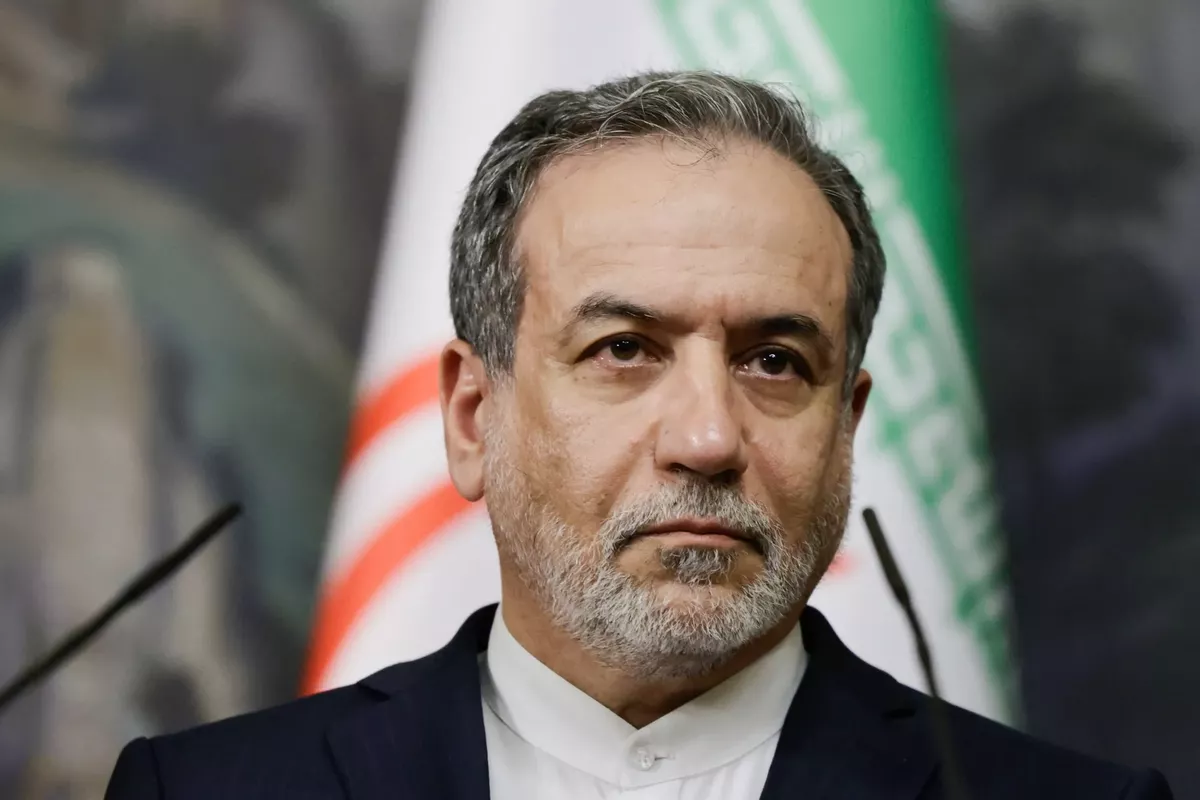
Iran's foreign minister arrived in Geneva on Monday for a second round of talks with the United States, according to Iranian state television, as Washington continues to apply pressure on Tehran.
According to Tehran, "indirect" Iran-US nuclear talks mediated by Oman will be held on Tuesday, although Washington has previously pushed for other topics to be discussed, including Iran's ballistic missiles and support for regional proxies, The Caspian Post reports, citing foreign media.
Tehran and Washington restarted negotiations this month after previous talks collapsed when Israel launched a bombing campaign against Iran last June.
Considerable uncertainty surrounds the fate of Iran's stockpile of more than 400 kilogrammes of 60-percent enriched uranium that was last seen by nuclear watchdog inspectors in June.
"The foreign minister has arrived in Geneva at the head of a diplomatic and expert delegation to take part in the second round of nuclear negotiation," Iran's state-run IRIB wrote on its Telegram channel.
During his visit to Geneva, Abbas Araghchi is expected to hold talks with his Swiss and Omani counterparts as well as the head of the International Atomic Energy Agency, Rafael Grossi, and other international officials, Iran's foreign ministry said.
Washington has dispatched Middle East envoy Steve Witkoff and President Donald Trump's son-in-law Jared Kushner, the White House confirmed on Sunday.
Iran May Consider Compromise
The latest talks follow repeated threats from Trump of military action against Tehran, first over Iran's deadly crackdown on anti-government protests, and then more recently over the country's nuclear programme.
The West fears the programme is aimed at making a bomb, which Tehran denies.
On Friday, Trump said a change of government in Iran would be the "best thing that could happen", as he sent a second aircraft carrier to the Middle East to ratchet up military pressure.
Iran's deputy foreign minister told the BBC that Tehran would consider compromises on its uranium stockpile if Washington lifts sanctions that have crippled the country's economy.
"If we see the sincerity on their (American) part, I am sure we will be on a road to have an agreement," said Majid Takht-Ravanchi.
Israeli Prime Minister Benjamin Netanyahu said on Sunday that any deal must involve the removal of all enriched uranium from Iran as well as Tehran's ability to enrich more.
"There should be no enrichment capability... dismantle the equipment and the infrastructure that allows you to enrich in the first place," he said during a speech.
Share on social media