Iran Unrest: US Holds Back Military Action as Tehran Indicates Restraint
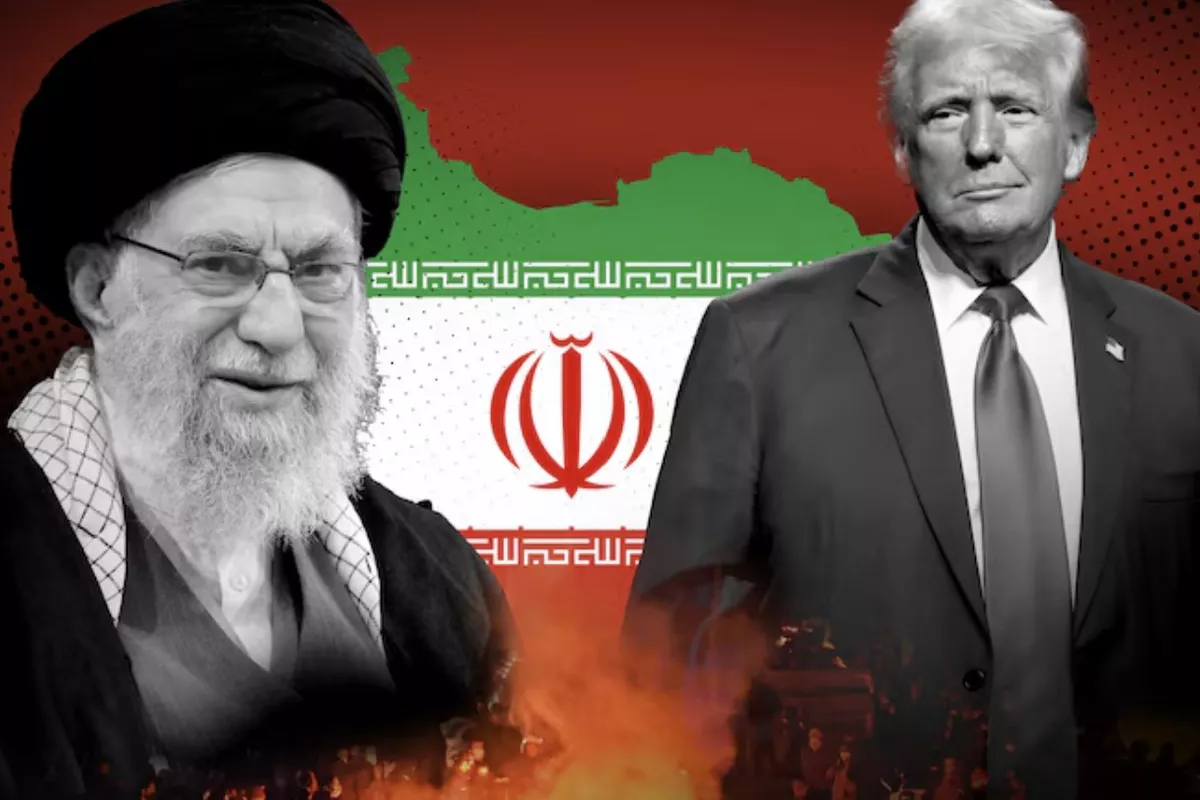
US President Donald Trump has taken a cautious approach to potential military action against Iran, following assurances that Iranian authorities have eased their deadly crackdown on protesters and will refrain from carrying out executions.
Trump said he had been informed that the killing of demonstrators had stopped and that there were no plans to carry out death sentences, prompting him to pause earlier threats of intervention, The Caspian Post reports, citing foreign media.
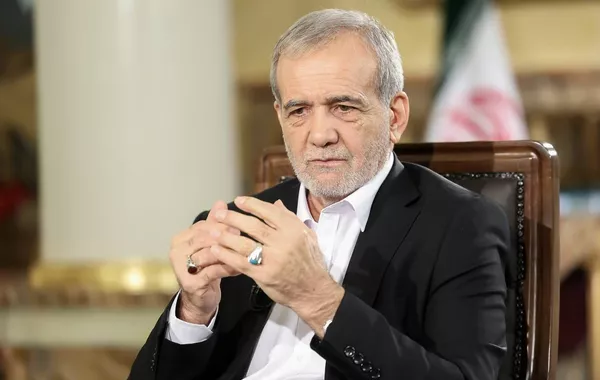
Iranian Foreign Minister Abbas Araghchi publicly denied that Tehran intends to execute protesters, while repeating the government’s long-standing position that the unrest has been fueled by foreign interference. Tensions nevertheless remain elevated, following a brief closure of Iranian airspace that forced international flights to divert before operations gradually resumed.
At the United Nations, concern over the situation intensified. The UN Security Council convened an emergency session to discuss the protests and the violent response by Iranian authorities, which the Oslo-based group Iran Human Rights estimates has led to more than 3,400 deaths. During the meeting, UN Assistant Secretary General Martha Pobee called on Iran to halt any executions linked to protest cases and demanded that all deaths be investigated independently and transparently. She added that those responsible for violations must be held accountable under international law. UN Secretary General Antonio Guterres also urged all sides to show maximum restraint.
Iran’s deputy ambassador to the UN, Gholam Hossein Darzi, accused the United States of playing a direct role in driving the unrest toward violence. He claimed Washington was preparing the ground for political destabilization and possible military intervention, while insisting that Iran does not seek escalation. However, he warned that Tehran would respond decisively and proportionately to any act of aggression, whether direct or indirect.
The US ambassador to the UN, Mike Waltz, countered that Washington stands firmly with what he described as the “brave people of Iran.” He reiterated Trump’s position that all options remain available, saying the president favors action over rhetoric when it comes to stopping what he called the slaughter of protesters.
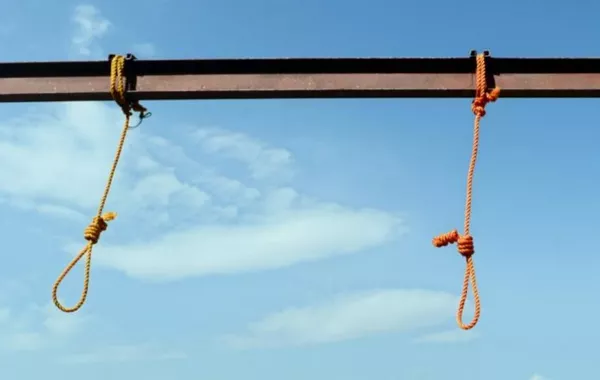
Despite repeated warnings in recent days, Trump shifted to a wait-and-see approach on Thursday. White House Press Secretary Karoline Leavitt said the president had been informed that around 800 planned executions of protesters had been halted. Iran’s justice authorities had earlier announced that trials and executions would be expedited, before later retreating from that statement. Trump said he received assurances from what he described as highly placed sources in Iran that executions would not move forward.
According to The Wall Street Journal, US officials advised Trump that a military strike on Iran was unlikely to bring about regime collapse and could instead trigger a wider regional conflict. Leavitt said the administration continues to closely monitor developments, noting indications that protests are beginning to lose momentum. She stressed, however, that Iran had been warned of “grave consequences” if the killing of protesters resumes.
Meanwhile, Switzerland has offered to act as a mediator between Washington and Tehran. The Swiss foreign ministry confirmed that a senior official spoke with Iran’s Supreme National Security Council and предложи Switzerland as a neutral venue to help de-escalate tensions. Switzerland represents US interests in Iran, as the two countries have had no formal diplomatic relations since 1979, and provides consular protection for US citizens through its mission in Tehran.
Inside Iran, the authorities continue to enforce the longest nationwide internet shutdown in the country’s history, now lasting a full week. Internet monitoring group Netblocks said the blackout has plunged Iran into “digital darkness,” raising fears among human rights groups that it is designed to conceal the true scale of the repression. Activists say the communications cutoff has made it extremely difficult to verify casualty figures. Iranian state media have reported that authorities are searching for Starlink satellite dishes, one of the few remaining ways information can be transmitted out of the country.
Iran’s foreign minister again insisted there is no plan to carry out executions, and state media reported that a 26-year-old man detained in the city of Karaj will not face the death penalty. Rights group Hengaw had earlier warned that Erfan Soltani could be executed, but his family later said the order had been postponed. Trump reacted positively on social media, describing the development as “good news” and expressing hope that the easing of repression would continue.