U.S. Strikes SA-5 Launcher Near Iranian Nuclear Facility
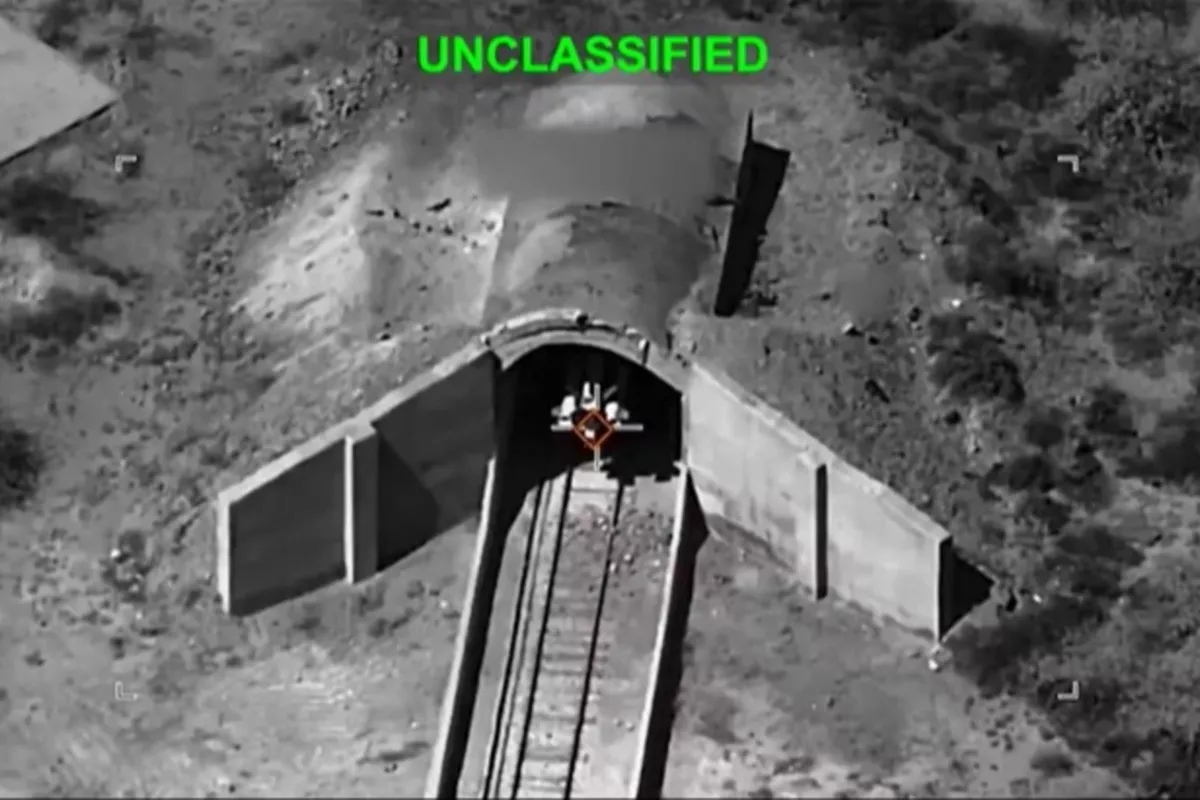
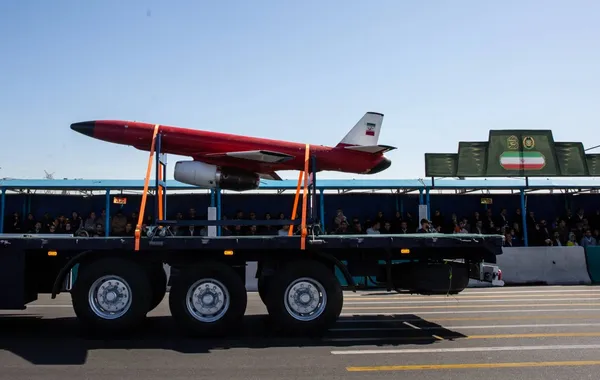
On March 11, U.S. Central Command released new footage showing strikes on Iranian weapons systems during Operation Epic Fury, emphasizing attacks on missile, drone, and related assets, and stating that the campaign has already reduced Iran’s ability to carry out further attacks.
The release of the footage comes as U.S. military officials seek to illustrate the operational effects of the campaign against Iranian strike capabilities, The Caspian Post reports, citing foreign media.
According to the command, Iranian ballistic missile and drone attacks declined sharply after the opening phase of the operation.
“Since the first 24 hours of Operation Epic Fury, Iranian ballistic missile and drone attacks have dropped drastically,” U.S. Central Command said in a statement accompanying the video.
The newly released footage shows several targets struck during the operation, including sites associated with Iranian missile and drone infrastructure. The video was distributed through official Central Command communication channels as part of ongoing updates about the campaign.
In one segment of the footage, a target initially described as a ballistic missile launcher was later identified as a different type of weapons system. The object visible in the strike imagery was determined to be a launcher associated with a long-range surface-to-air missile system.
The launcher was positioned at Bushehr airbase and formed part of the air defense network protecting the nearby Bushehr Nuclear Power Plant. The installation is located along Iran’s Persian Gulf coast and is one of the country’s most important nuclear energy facilities.
According to available information, the launcher belongs to the Soviet-designed SA-5 Gammon air defense system, known in Russian service as the S-200. The system was originally developed during the Cold War to defend critical installations against long-range aerial threats.
The S-200 surface-to-air missile system was designed for the defense of major administrative, industrial, and military facilities against a wide range of air attacks. The system is capable of operating in all weather conditions and across different climatic environments.
One distinctive feature of the S-200 system is its largely fixed deployment structure. Unlike many modern mobile air defense systems, the S-200 is typically installed at prepared sites that include launch pads, radar equipment, and hardened infrastructure.
Some configurations incorporate protective bunkers or reinforced shelters that house the missile and launcher assembly. In such setups, the missile may be stored within a protected structure and raised to the firing position when required.
The S-200 uses large interceptor missiles designed to engage aircraft at long ranges and high altitudes. The system relies on radar guidance and was originally intended to counter high-speed bomber aircraft and reconnaissance platforms.
Iran has operated variants of the S-200 air defense system for decades as part of its layered air defense network. The system is often deployed around critical national infrastructure, including military facilities, industrial centers, and nuclear installations.