Kazakhstan Exports Agricultural Products to Over 72 Countries

photo: Sputnik Kazakhstan

Kazakhstan Exports Agricultural Products to Over 72 Countries

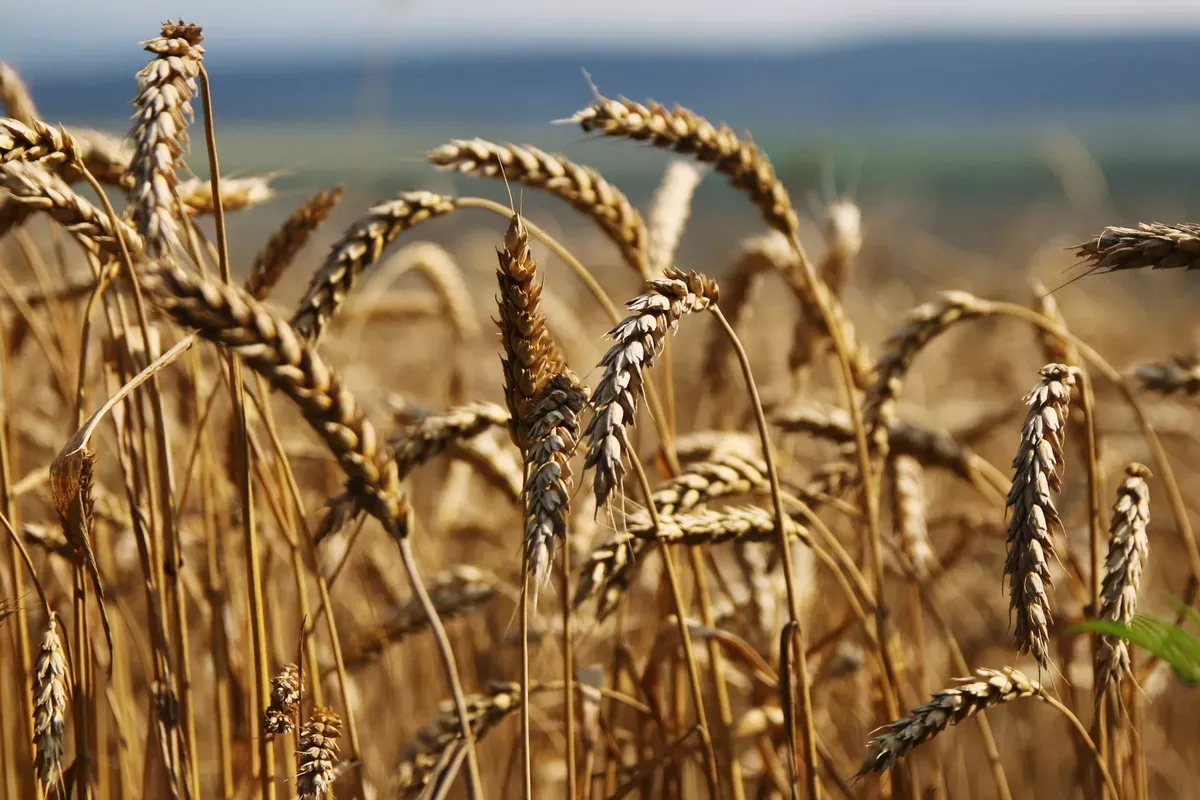
Kazakhstan achieved a record grain harvest in 2025 thanks to state support for spring field and harvest work, favorable weather, and modern farming technologies.

“For the second year in a row, Kazakhstan has produced record grain yields. In 2025, with an average yield of 16.3 centners per hectare, farmers harvested 25.9 million tons of grain, including 19.3 million tons of wheat. Rising production has been accompanied by increased exports. In the 2024/2025 marketing year, grain and flour exports in grain equivalent reached 15.3 million tons, up 60% compared to the previous year,” the Ministry of Agriculture said, The Caspian Post reports via Kazakh media.

Kazakh grain remains highly demanded in Central Asia, including Uzbekistan, Tajikistan, Kyrgyzstan, and Afghanistan. At the same time, the country is expanding its export markets: shipments now reach Vietnam, the UAE, North African countries, and deliveries to Iran, Azerbaijan, and Georgia have resumed. High-quality wheat varieties, including Durum and Hi-Pro, are exported primarily to European markets, while feed flour shipments to China reached 2.9 million tons, 2.4 times higher than in 2024.

Kazakhstan also retains a leading position in the global flour market: production exceeds 3 million tons, with exports reaching 1.8 million tons, a 1.2% increase from 2024. Key markets for flour include Central Asia, Afghanistan, Russia, and China.

Overall, Kazakh agricultural products are now exported to more than 72 countries. Over the past five years, agribusiness exports increased 1.8 times, from $3.8 billion to $7 billion, with a 36.9% growth in 2025. The share of processed products in total agricultural exports reached 51.4%, highlighting Kazakhstan’s growing role in global food markets.

Related news

Kazakhstan Exports Agricultural Products to Over 72 Countries

Kazakhstan achieved a record grain harvest in 2025 thanks to state support for spring field and harvest work, favorable weather, and modern farming technologies.