Kazakhstan, Germany Sign Joint Declaration on Critical Minerals, Energy and Trade
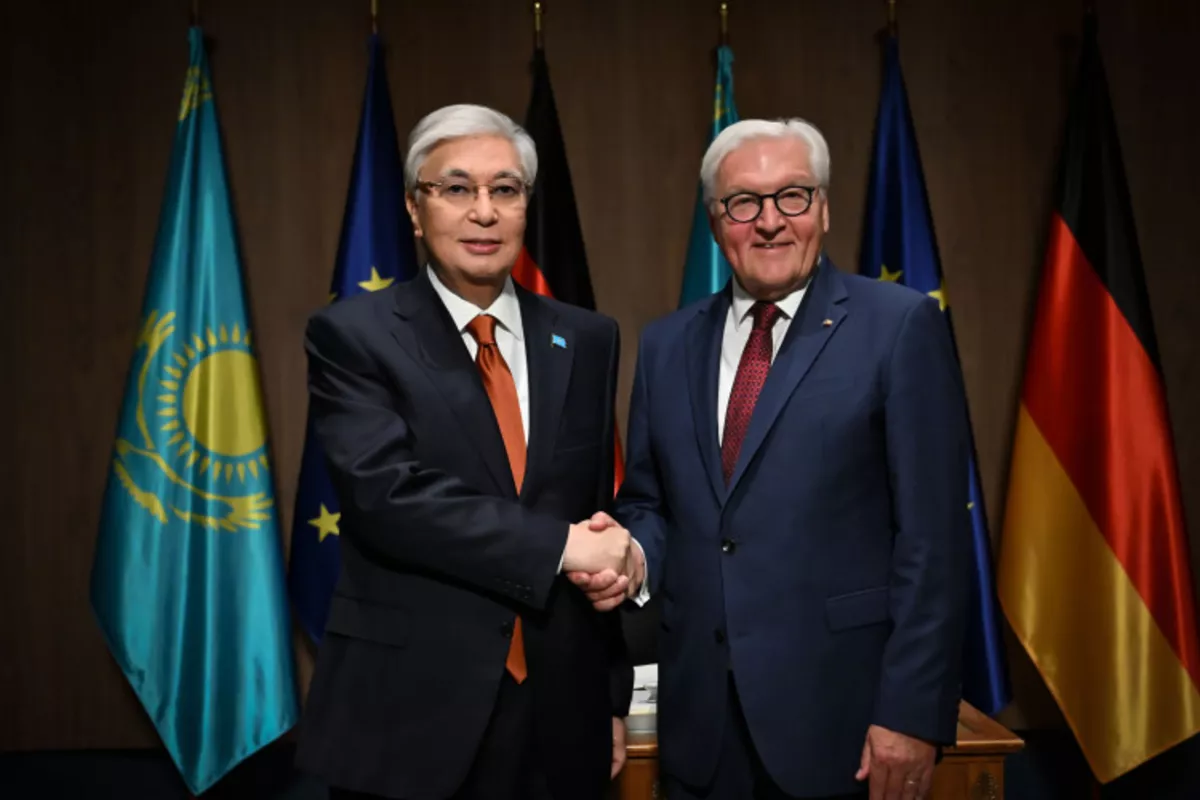
Kazakhstan and Germany have adopted a Joint Declaration outlining plans to deepen cooperation in trade, energy, critical raw materials, transport, technology, education and environmental protection.
The declaration was adopted during Kazakh President Kassym-Jomart Tokayev’s official visit to Germany at the invitation of German President Frank-Walter Steinmeier on September 29-30, 2026. The two sides said they intend to build on more than three decades of bilateral cooperation and expand political and economic ties, according to Akorda.
A key element of the declaration is a joint roadmap for 2026-2028 covering industrial, technological and raw materials cooperation.
The countries plan to focus on developing joint production capacities, extracting and processing critical raw materials, increasing the value of products manufactured in Kazakhstan and creating reliable supply chains.
The two presidents also identified trade, investment and industrial cooperation as major areas for further development, including efforts to diversify bilateral trade and expand German investment in Kazakhstan.
Kazakhstan and Germany also plan to strengthen cooperation on energy security and diversify energy supplies and transport routes, including oil and gas deliveries to Europe.
The two countries intend to expand cooperation on renewable energy, green hydrogen, industrial decarbonization and energy corridors through the Kazakh-German Energy Dialogue and the H2-diplo office in Astana.
The declaration also highlights the Trans-Caspian International Transport Route, or Middle Corridor, as strategically important for connecting Asian and European transport and trade networks.
Kazakhstan, Germany and the European Union are expected to continue supporting the development of transport infrastructure and related networks.
Digital transformation, artificial intelligence, research and space were identified as promising areas for expanded cooperation.
The countries also plan to strengthen links between universities and research institutions, expand joint research and academic mobility, and support specialist training. The declaration specifically mentions further development of the Kazakh-German University in Almaty, including a potential new campus, as well as plans for a Kazakh-German school in Astana.
A Kazakh-German Future Forum is also planned to bring together young experts and professionals to discuss sustainable development, energy, digital transformation and artificial intelligence. The first forum is expected to take place in Saarland in summer 2027, with a possible follow-up event in Kazakhstan in 2028.
The presidents further welcomed the conclusion of negotiations on an agreement between Kazakhstan and the European Union to facilitate visa issuance, describing it as an important step toward strengthening people-to-people ties.
The declaration also covers cooperation in agriculture, healthcare, water management, climate, biodiversity, culture, youth and sports, with both sides expressing support for further expanding bilateral relations.