Kazakhstan Launches $180M Waste-to-Energy Plant with China

photo: Kazinform

Kazakhstan Launches $180M Waste-to-Energy Plant with China

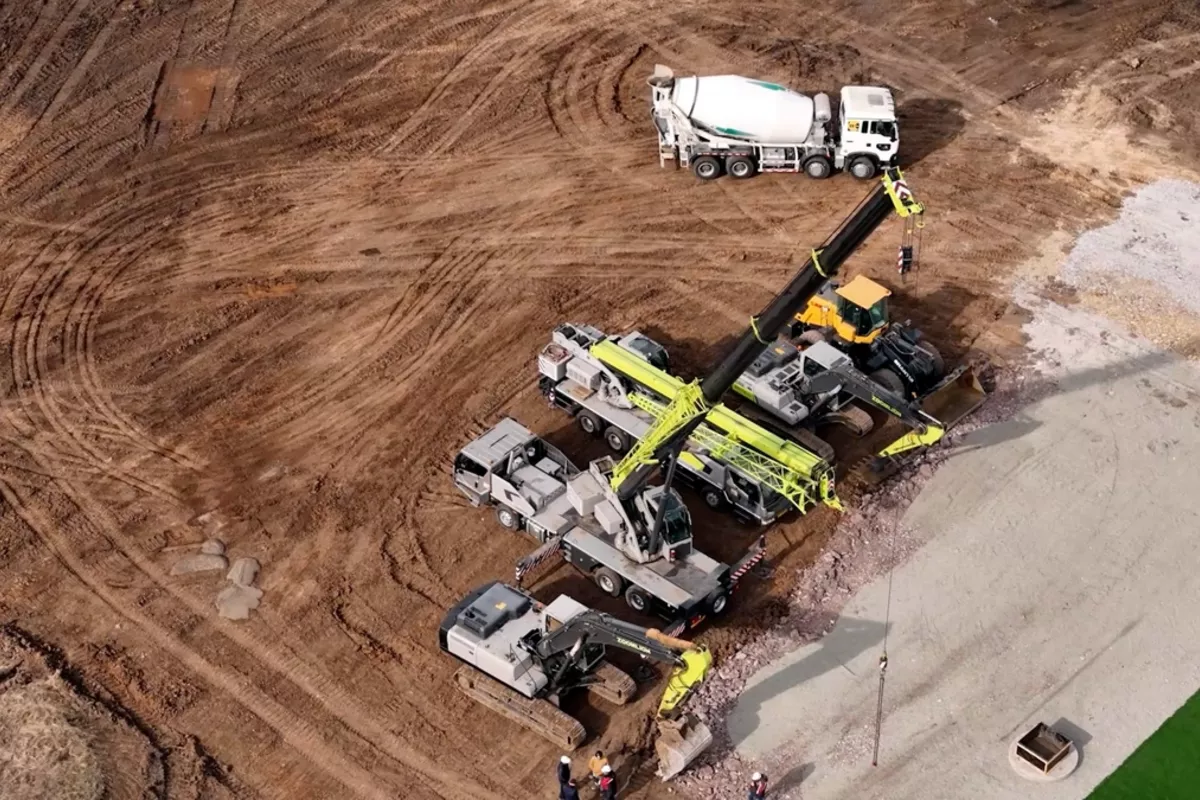
Astana has begun construction of a major waste-to-energy facility in partnership with China, marking a significant step in Kazakhstan’s push toward greener energy and sustainable urban development.

The project was discussed during a meeting between Prime Minister Olzhas Bektenov and Wang Gan, head of Shenzhen Energy Environment Co Ltd, who is visiting to attend the Regional Ecological Summit 2026, The Caspian Post reports via Kazakh media.

The first phase of the “Ecopark Energy of Astana” project is valued at $180 million and is designed to convert solid household waste into electricity. Once operational, the plant will process up to 1,500 tons of waste daily and generate 50 MW of power.

A joint venture, East Hope LLP, has been established to implement the project, which is scheduled for completion in 2029. The facility will feature advanced multi-stage emission treatment systems to meet modern environmental standards.

Officials say the initiative aligns with Kazakhstan’s national environmental agenda, including the “Taza Qazaqstan” (Clean Kazakhstan) program, and reflects deepening economic ties between the two countries.

Wang Gan also revealed plans for a second phase aimed at fully processing accumulated landfill waste, drawing on the company’s extensive experience managing dozens of similar plants across China.

Beyond waste management, the talks also explored broader cooperation in energy, including modernization of coal plants, gas infrastructure development, and localization of production.

The project is being positioned as a flagship example of Kazakhstan-China partnership, with both sides reaffirming their commitment to completing it on schedule and expanding collaboration in sustainable technologies.

Related news

Kazakhstan Launches $180M Waste-to-Energy Plant with China

Astana has begun construction of a major waste-to-energy facility in partnership with China, marking a significant step in Kazakhstan’s push toward greener energy and sustainable urban development.