Population Boom in Kazakhstan Reshapes Social Priorities
The Kazakh officials have said that fast-growing population of Astana is reshaping priorities for the capital’s social development.
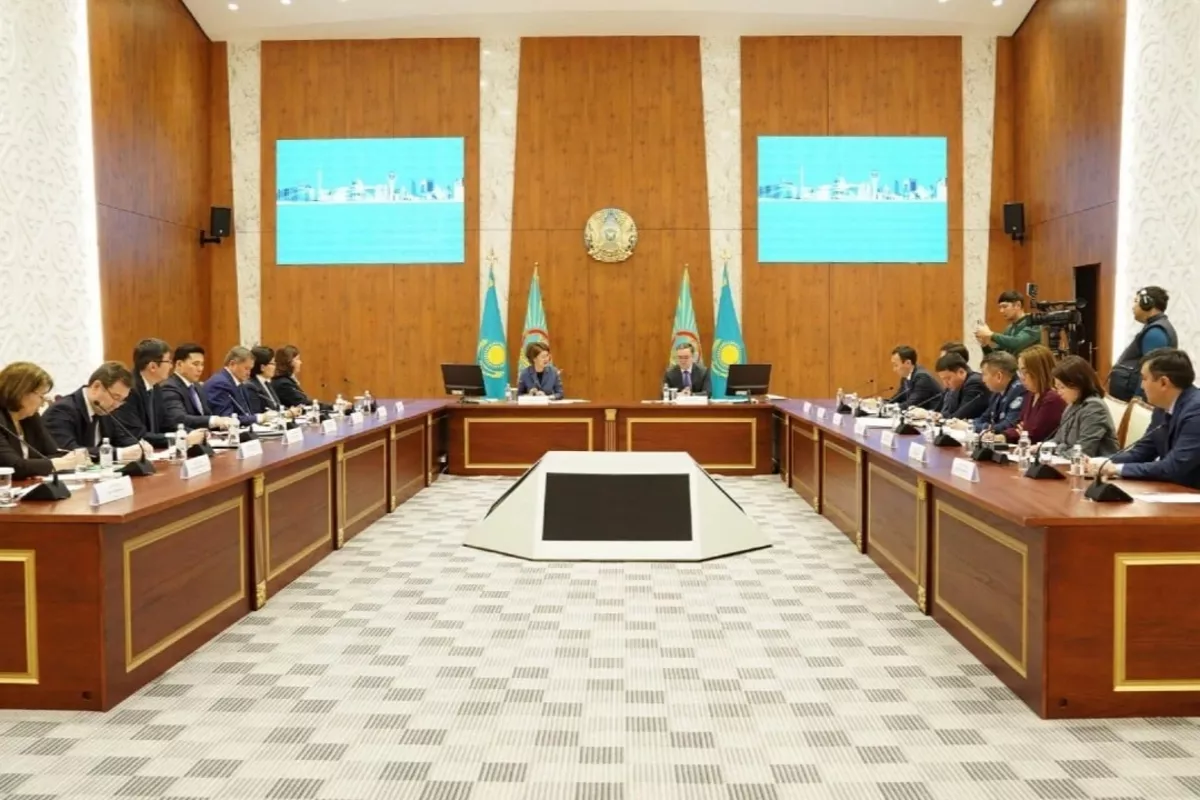
The officials made these remarks at an extended meeting held at the city administration under the chairmanship of Deputy Prime Minister and Minister of Culture and Information Aida Balaeva, The Caspian Post reports via Kazakh media.
The meeting brought together city officials and members of the Public Council to review the social sector and the implementation of the president’s instructions aimed at improving quality of life in the capital.
Mayor Zhenis Kassymbek noted that Astana’s steady population growth is creating new demands for urban infrastructure and requires forward-looking planning. As of November 1, 2025, the city’s population reached 1,622,245, up 93,542 since the start of the year. Of this increase, 17,265 came from natural growth and 76,277 from migration. Annual population growth stands at 6.12 per cent, with migration inflows nearing 100,000 people a year, significantly increasing pressure on healthcare, education, employment, and social support systems.
Healthcare development was among the key topics. Astana currently has 277 medical organizations, with building wear estimated at 14.7 per cent and medical equipment availability at 82.4 per cent. At the same time, staff shortages remain a concern. Officials noted that births have risen by 45 per cent over the past decade, driving the need for additional maternity and perinatal facilities.
Education challenges were also highlighted. According to Minister of Enlightenment Zhuldyz Suleimenova, more than 300,000 students are studying in around 200 schools across the city. In 2025, 272 billion tenge was allocated to private schools, raising questions about transparency and education quality. Participants stressed the importance of early childhood and primary education as the foundation for learning motivation and long-term social stability.
In higher education, Astana’s 13 universities enroll over 105,000 students, but officials pointed to an imbalance in graduate profiles. While humanities graduates are in surplus, there is a shortage of specialists in engineering, IT, healthcare, and teaching.
The city’s economically active population now exceeds 750,000, with more than 120,000 residents receiving social support. In 2025 alone, over 42,000 people were employed. Astana also has more than 800 sports facilities, around 60 per cent of which are privately owned.
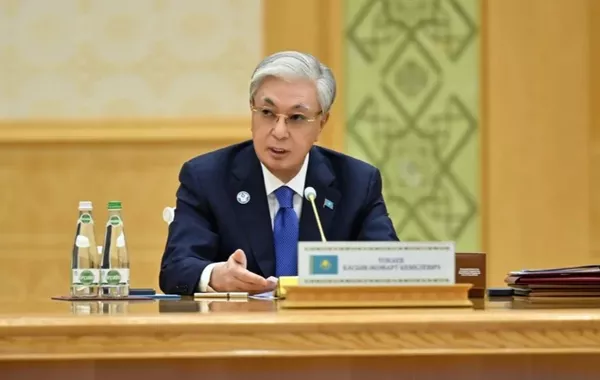
Summing up the discussion, Balaeva emphasized that Astana’s rapid expansion makes quality governance and systematic decision-making crucial for sustainable development. She recalled that President Kassym-Jomart Tokayev has repeatedly stressed that social facilities must remain accessible to the population, even as the city continues growing.