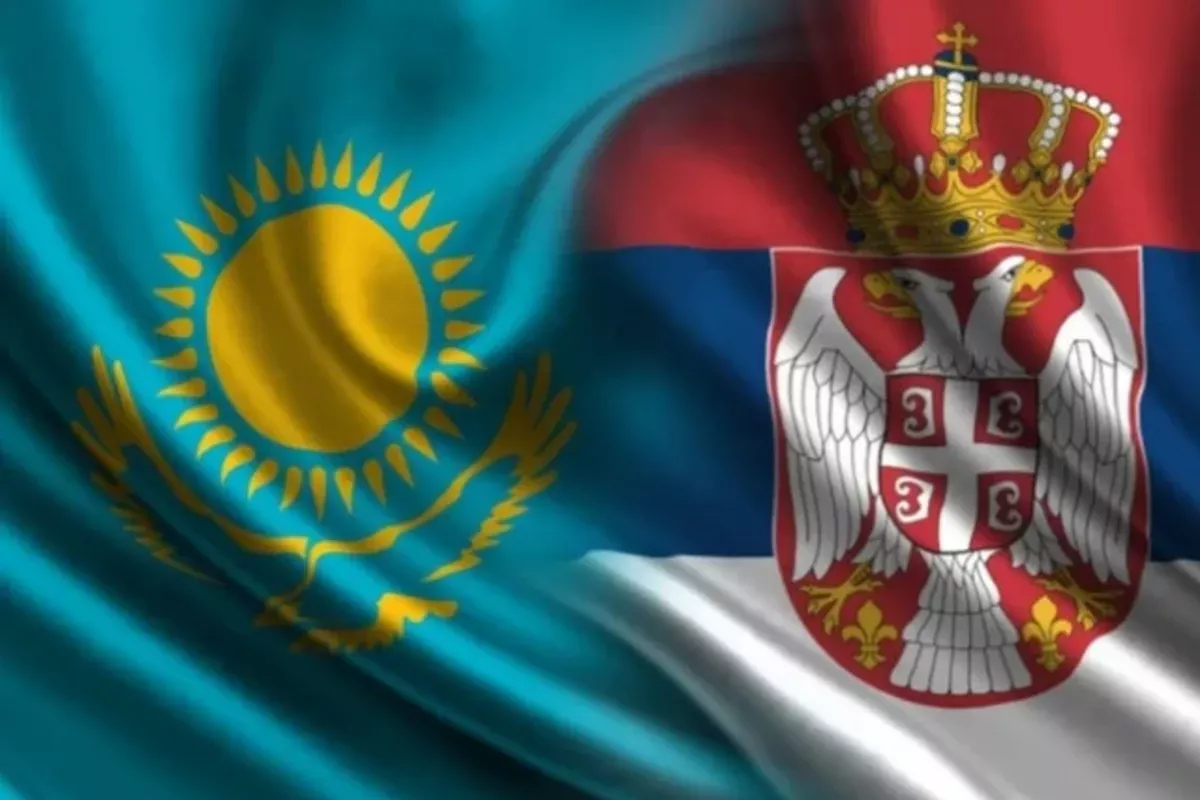
Expert: Serbia May Become Key Bridge for Kazakhstan’s Ties with EU
Farhad Kassenov, director of the A+Analytics research center, believes that the political dimension has been the main factor behind the growth of bilateral trade between Kazakhstan and Serbia.
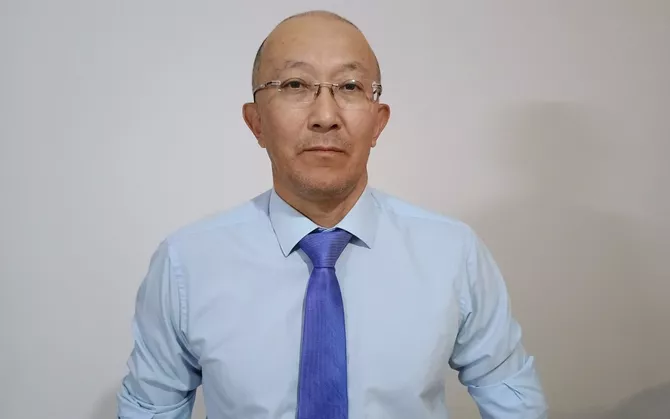
photo: Kazinform
Kazakh President Kassym-Jomart Tokayev’s visit to Serbia in late 2024 marked a significant milestone, resulting in agreements that have already positively reshaped the structure of Kazakhstan’s exports to Serbia, The Caspian Post reports via Kazakh media.
The first meeting of the Kazakhstan-Serbia Business Council and the accompanying business forum, held just before the high-level talks, helped establish clear frameworks for mutually beneficial bilateral cooperation, laying the groundwork for stronger economic ties between the two nations.
“If we look at the trade dynamics from 2019 to 2026, there were periods when bilateral trade exceeded 2025 levels. For example, in 2021, trade surpassed $200 million. However, it later declined. Today, thanks to political agreements, trade is recovering, and positive developments are already being observed for Kazakhstan,” says Kassenov.
Traditionally, Kazakhstan imported more from Serbia than it exported, creating a trade imbalance that needed correction. In 2025, positive shifts began to emerge.
Kazakhstan has long exported mineral fertilizers, followed by plastics such as polypropylene and other polymers in significant volumes. Last year, a new trend emerged: alongside traditional goods, Kazakhstan expanded exports of agricultural products, including grain, vegetable oils (primarily sunflower), meat, fish, and dairy products, signaling a broader and more balanced trade relationship.
“This became possible thanks to Kazakhstan’s products being certified to strict European standards. Serbia, acting as a gateway to Europe, imposes high quality requirements, which Kazakh goods successfully met. As a result, Serbia is effectively becoming Kazakhstan’s ‘window’ to the European market. This creates opportunities to expand agricultural exports and strengthen Kazakhstan’s presence across Europe,” the expert commented.
“However, entering the European market with finished industrial products requires compliance with strict EU certifications and offering competitive pricing. Europe is a highly competitive arena, with goods arriving from around the world, and European producers themselves maintain large production volumes.
Therefore, as the analyst notes, it is crucial for Kazakhstan to develop its processing industry, enabling the country to produce high-quality products at competitive prices and successfully expand its presence in European markets.”
“In this context, Serbia has the potential to be a strategic partner for Kazakhstan. The country has advanced technologies for deep processing of agricultural products, access to European innovations, and a strong engineering school dating back to the Yugoslav era.
Serbia has long-standing expertise in production and modernization of weapons, armored vehicles, and ammunition - capabilities that are highly relevant for Kazakhstan, where much of the equipment remains Soviet-era and in need of modernization. Upgrading existing machinery is more cost-effective than purchasing new equipment, and Serbia’s experience can provide valuable guidance.
Moreover, Serbia receives cutting-edge technologies from Europe, particularly Germany, which Kazakhstan can access through collaboration with Serbian partners. This cooperation is not limited to agricultural processing, but also extends to industrial production and the defense sector,” says Kassenov.
“Cooperation with Serbia opens a wide range of opportunities for Kazakhstan: from expanding agricultural exports and accessing European markets to gaining advanced processing technologies and expertise in weapons modernization.
Serbia can serve as a key bridge for Kazakhstan in its relations with the European Union, as well as a partner in developing the processing industry and strengthening the country’s defense capabilities,” the expert concluded.
Earlier reports highlighted that following the extended meeting of the Kazakhstan-Serbia Business Council and the Kazakhstan-Serbia Business Forum, the two sides signed a series of cooperation agreements, including commitments in the defense sector, pharmaceuticals, and technology.
Serbian President Aleksandar Vučić arrived in Kazakhstan on February 26 afternoon for an official visit at the invitation of Head of State Kassym-Jomart Tokayev.