For Tajikistan, the development of transport and logistics connectivity is no longer a technical matter - it is a strategic imperative. Geography has placed the country outside the main artery of the Middle Corridor, but strategy demands that Dushanbe think beyond geography.
In today’s fragmented global trade environment, access determines influence. Connectivity determines sovereignty. And diversification determines resilience.
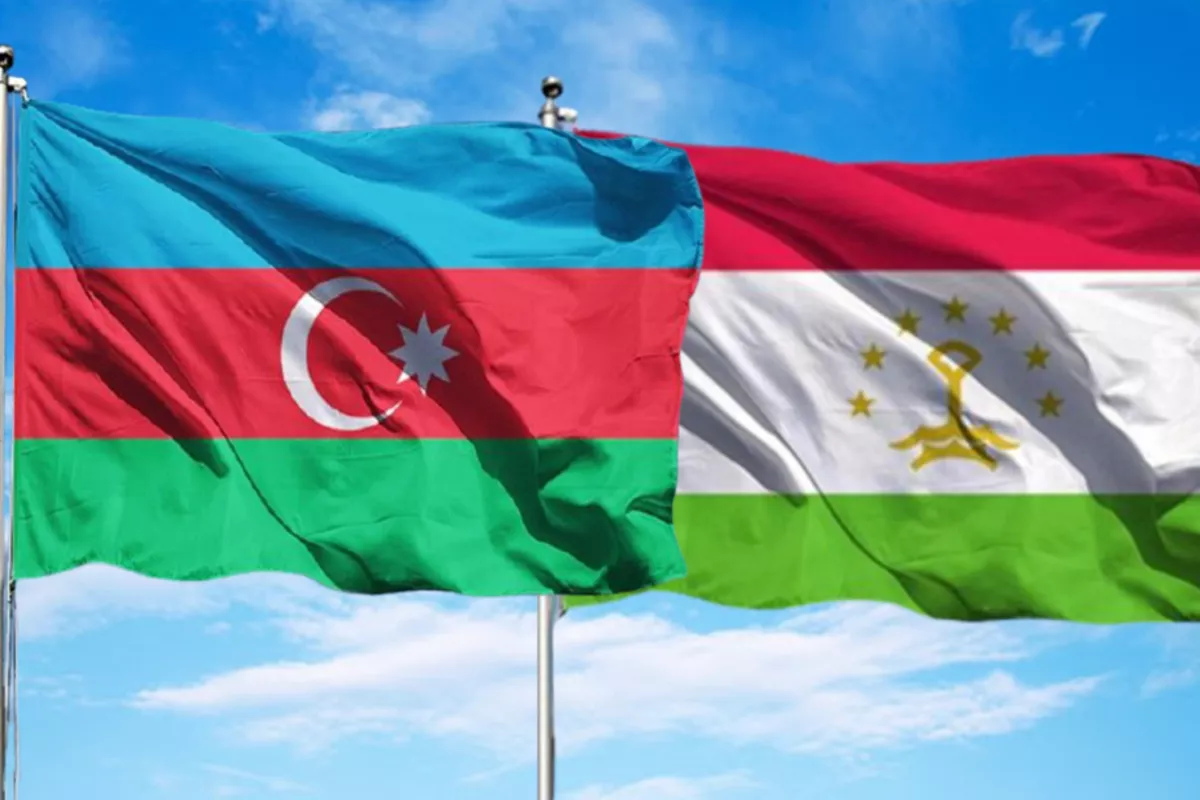
This is precisely why cooperation with Azerbaijan has become one of Tajikistan’s key foreign policy priorities.
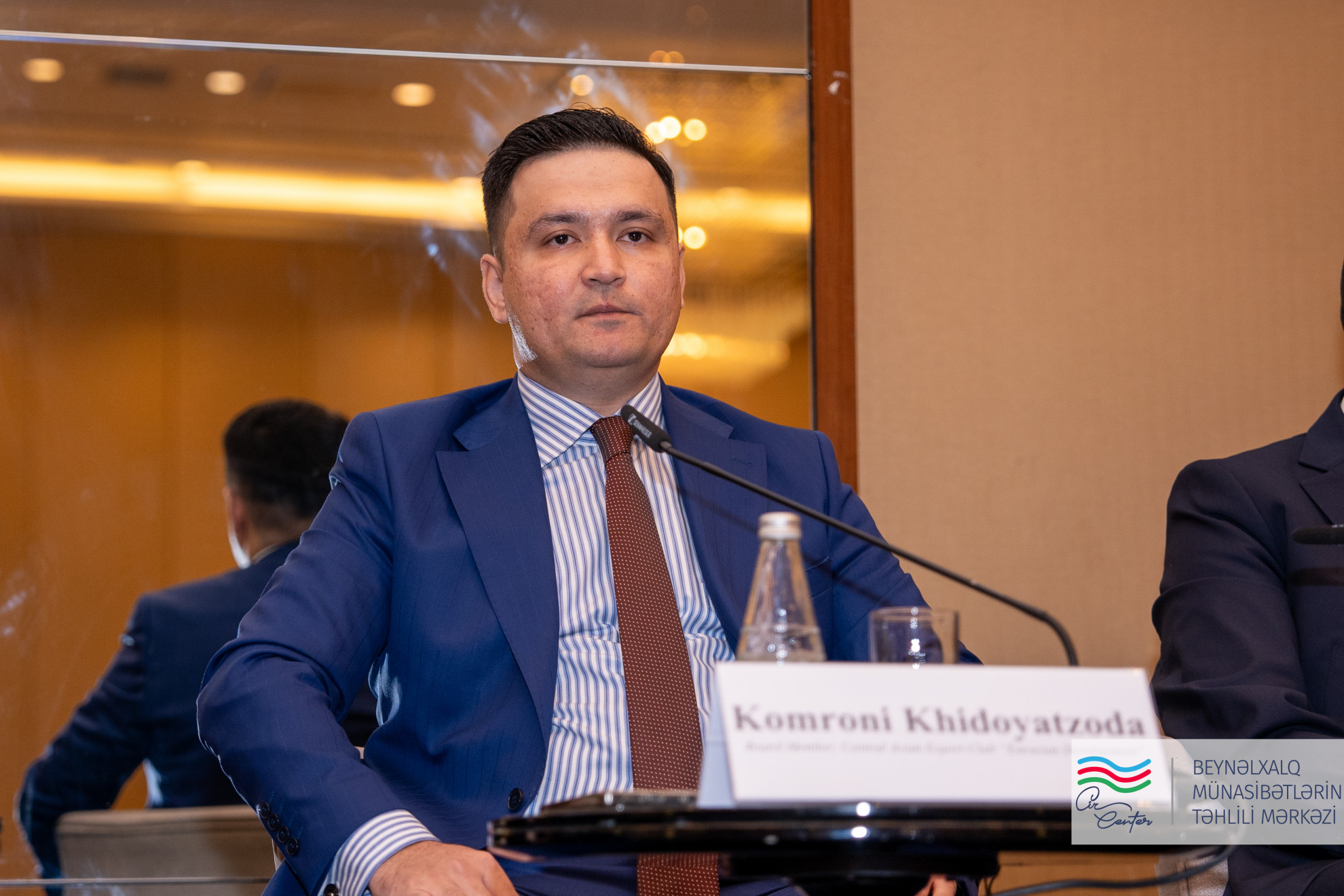
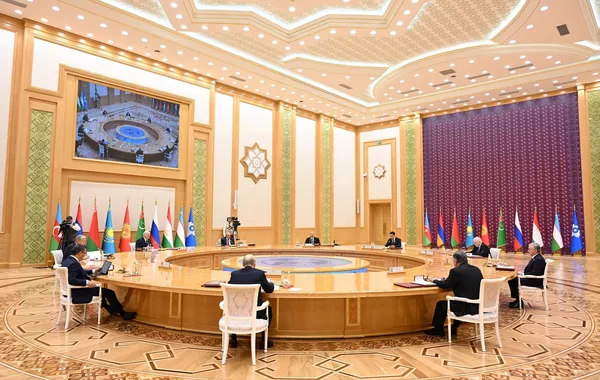
The political symbolism of Azerbaijan’s first participation in the Consultative Meeting of Central Asian Heads of State, held in Dushanbe in September 2023, should not be underestimated. During that visit, bilateral relations between Dushanbe and Baku were elevated to the level of strategic partnership. That decision reflected more than diplomatic courtesy; it signaled alignment in long-term transport and economic vision.
For Tajikistan, transport connectivity is not abstract policy. It is an economic survival issue. A significant share of Tajik exports consists of perishable agricultural products. Delays mean losses. Inefficient routes mean reduced competitiveness. Dependence on a single transit direction means vulnerability.
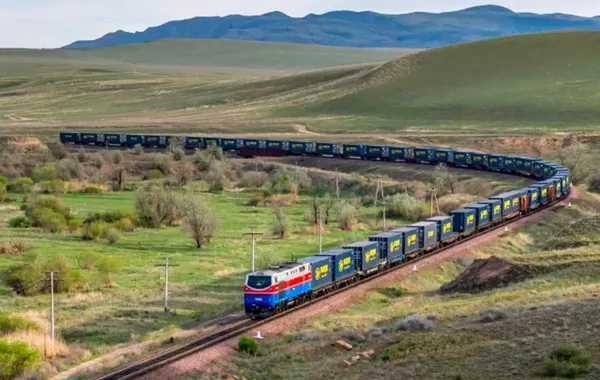
The Middle Corridor, particularly the Trans-Caspian International Transport Route, represents an opportunity to change this structural imbalance.
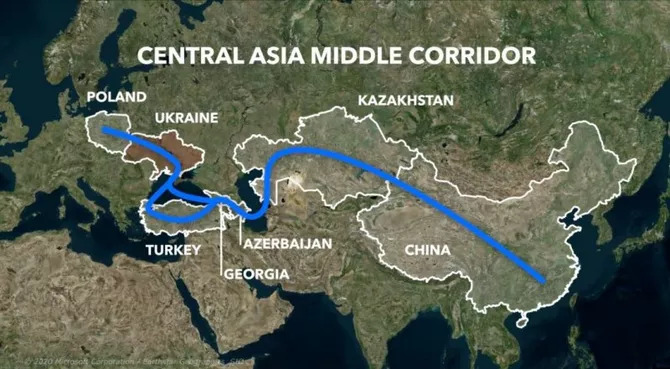
Photo credit: middlecorridor.com
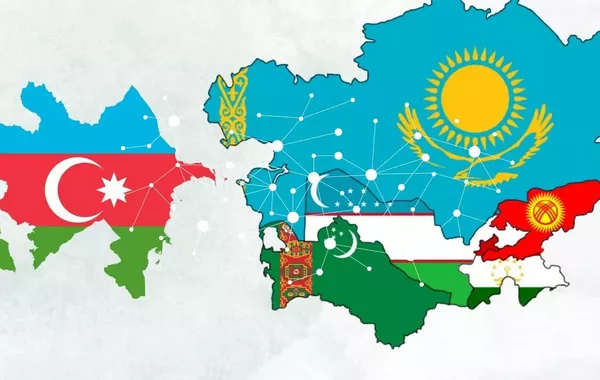
Admittedly, Tajikistan is not located on the core line of the corridor. Yet absence from the map does not equal absence of interest. Dushanbe’s approach is pragmatic: by working closely with Uzbekistan, Kyrgyzstan and Azerbaijan, Tajikistan can integrate into the corridor through regional cooperation mechanisms.
Importantly, this engagement is not starting from scratch. For nearly three decades, Central Asian states have cooperated within the CAREC framework, supported by major international financial institutions. Institutional foundations already exist. What is required now is political acceleration and regulatory harmonization.
The Middle Corridor, from Tajikistan’s perspective, must be understood across four dimensions.
First, geopolitically. Central Asia cannot afford to remain dependent on a single transit direction. Diversification strengthens regional subjectivity and reduces exposure to external pressure. A functioning Middle Corridor would contribute to the formation of a genuine regional decision-making space rather than reliance on external centers of power.
Second, economically. New routes attract investment in infrastructure, logistics hubs and industrial zones. In December 2025, a Tajik company signed an agreement to establish logistics enterprises specifically oriented toward the Middle Corridor. That move illustrates private sector anticipation of structural change.
Third, socially. Tajikistan is currently pursuing a five-year accelerated industrialization program aimed at transitioning from an agrarian-industrial to an industrial-agrarian model. Reliable transit channels are indispensable for this transformation. Industrial growth without secure export routes is an illusion.
Fourth, culturally and institutionally. Connectivity strengthens human mobility, tourism flows and business networks. Transport corridors are not only about cargo - they shape regional interaction.
However, optimism must be balanced with realism.
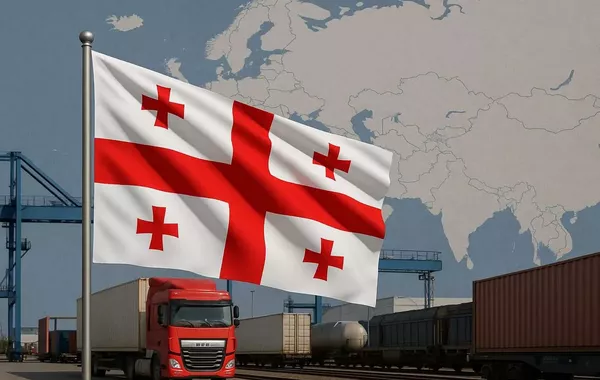
The Middle Corridor faces significant barriers: inconsistent regulatory regimes, limited capacity along certain segments, outdated infrastructure and, most notably, high ferry costs across the Caspian Sea. For Tajik exporters, particularly aluminum producers and agricultural businesses, double ferry crossings substantially increase costs. Without tariff optimization, competitiveness remains constrained.
Customs harmonization and unified digital cargo tracking systems could reduce transit time by 15-20 percent - a critical factor for perishable goods. Yet progress requires coordination, not isolated national reforms.
Photo credit: Trend
There is also a structural issue: at present, the corridor’s capacity does not fully meet the growing freight demands of Central Asia. While volumes have increased steadily, alternative routes remain necessary. Tajikistan is therefore simultaneously interested in developing southern multimodal corridors connecting China through Central Asia, Afghanistan, Iran and Türkiye toward Europe. Connectivity strategy must be multi-vector.
Still, the Middle Corridor holds unique strategic value because of Azerbaijan’s role.
Without Azerbaijan’s infrastructure, port capacity and Caspian connectivity, the corridor cannot function at scale. Baku’s logistical modernization directly influences the corridor’s attractiveness. For Tajikistan, Azerbaijan is not merely a partner - it is a gateway.
If the corridor is to become truly competitive, several steps are essential:
- development of a unified transport convention establishing baseline rules and tariff transparency;
- harmonization of customs and administrative procedures;
- modernization and stabilization of Caspian ferry services;
- integration of Middle and Southern corridors to increase flexibility.
Ultimately, Tajikistan’s engagement with the Middle Corridor is not about replacing existing routes overnight. It is about building redundancy, resilience and regional autonomy.
In a world where supply chains are increasingly politicized, strategic diversification is no longer optional.
For Dushanbe, the Middle Corridor is not simply a transport route.
It is a development instrument. A sovereignty tool. And, potentially, a bridge linking Central Asia more deeply with Azerbaijan and Europe.
The question is not whether Tajikistan needs the Middle Corridor.
The question is how quickly regional partners can remove the remaining barriers and turn political vision into operational reality.