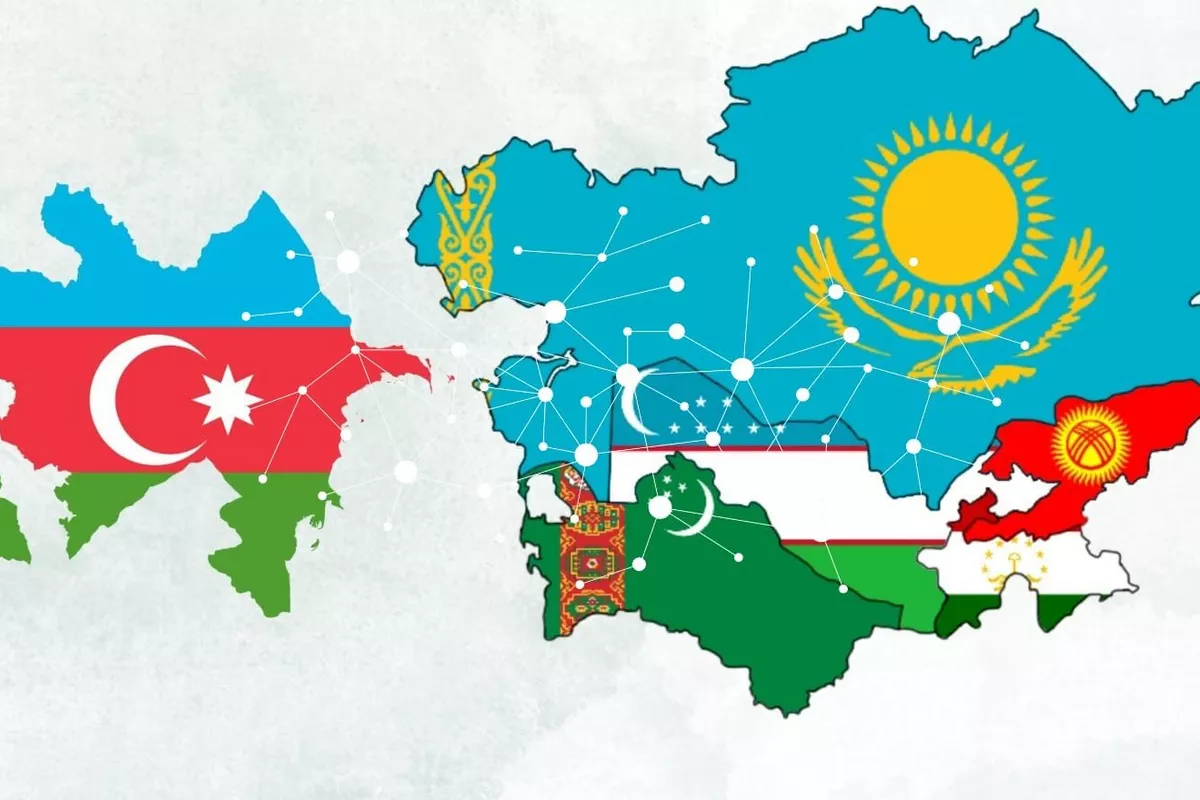
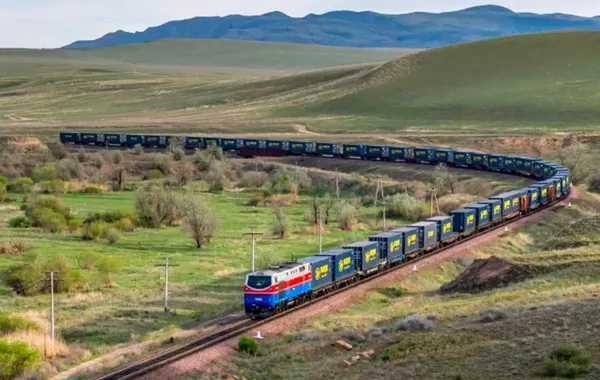
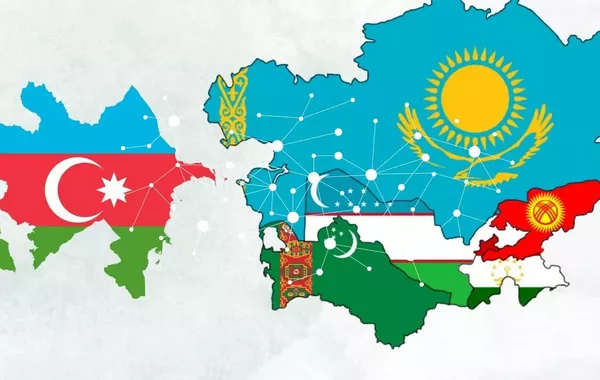
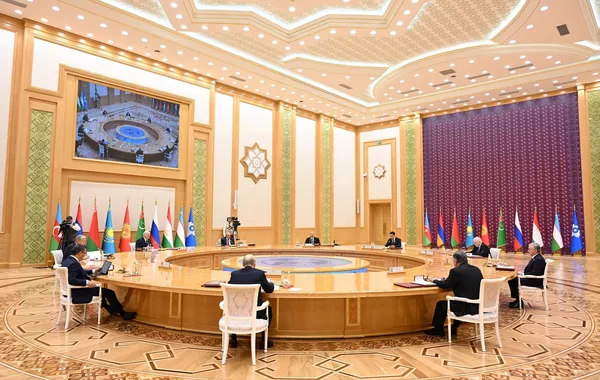
The C-6 format launched in Baku should not be underestimated. It is not merely another diplomatic configuration or a symbolic gathering of regional leaders. It represents a structural shift in how Central Asia and the South Caucasus perceive their place in the emerging global order. In Baku, a strategic idea was articulated with unusual clarity: to transform the region into a decisive transit crossroads and a fully integrated hub of intercontinental trade routes.
Geography has always placed this region between major civilizational and economic centers. Yet geography alone does not create influence. Infrastructure does. Coordination does. Political will does. What distinguishes the C-6 initiative is precisely its effort to convert geographic positioning into systemic advantage.
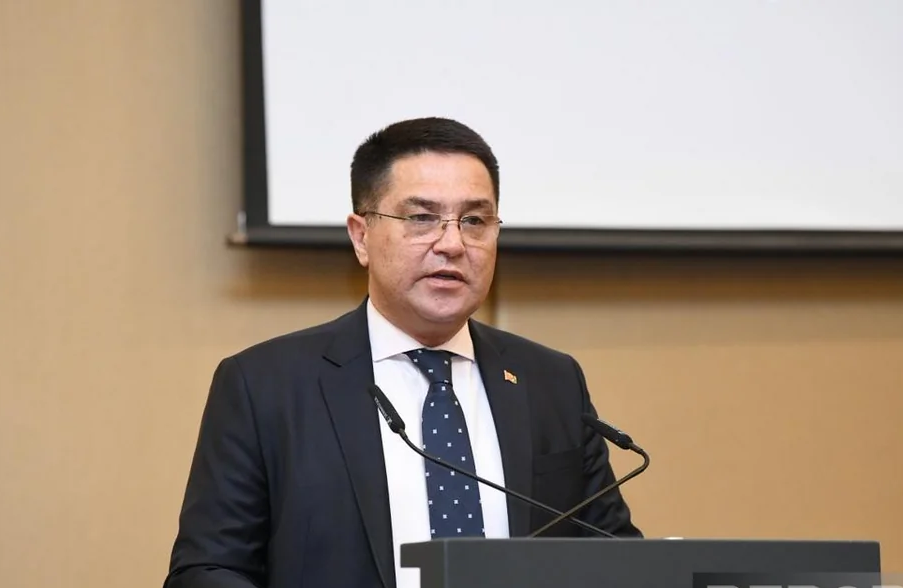
Tajikistan’s President Emomali Rahmon captured this logic when he emphasized that consolidating national capacities and creating a modern, diversified, efficient, and sustainable transport and logistics infrastructure serves the strategic interests of all participating states. This statement goes beyond technical cooperation. It reflects an understanding that fragmentation limits growth, while integration multiplies leverage.
The region’s transit potential is enormous. Positioned between China, Europe, Türkiye, Russia, the Middle East, and South Asia, Central Asia and the Caucasus sit at the heart of Eurasian connectivity. But transit corridors cannot function in isolation. They require the synchronization of customs procedures, digital logistics systems, financial settlements, regulatory standards, and long-term political coordination. Without institutional coherence, even the most ambitious infrastructure projects risk underperformance.
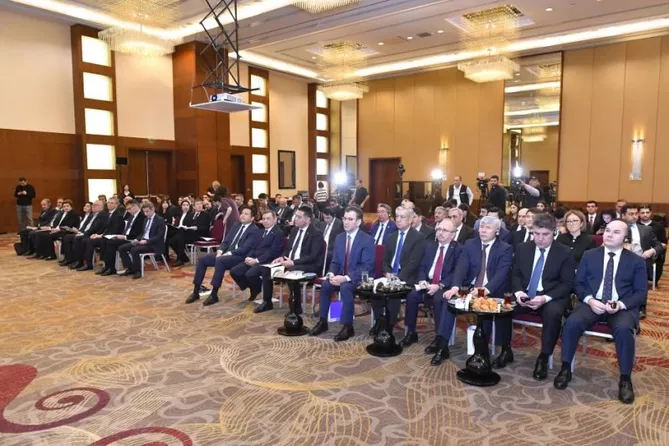
Photo: Azertac
This is where the C-6 framework becomes strategically meaningful. It provides a platform not simply for dialogue but for coordinated policy development across three interlinked domains: logistics, energy security, and environmental sustainability.
Energy, in particular, may prove to be the backbone of this emerging architecture. The concept of a unified regional energy space, once theoretical, now appears increasingly attainable. Turkmenistan’s emphasis on strengthening the energy segment and developing a robust network for electricity production, supply, and consumption reflects recognition that energy interdependence enhances stability.
The region’s energy resources are complementary rather than competitive. Some countries are major global exporters of oil and gas. Others possess vast hydropower potential. Azerbaijan adds another layer: a hybrid energy model that combines traditional hydrocarbons with rapidly expanding renewable capacity, including wind and solar initiatives in the Caspian basin.
If properly institutionalized, this combination could create a closed, resilient system capable of balancing supply shocks, stabilizing domestic markets, and generating surplus energy for export. This would not only secure internal consumption but also elevate the region’s position within global energy markets.
Energy exports today are not purely economic instruments - they are strategic tools. A coordinated energy system under C-6 would strengthen negotiating positions vis-à-vis external partners, enhance resilience against geopolitical pressure, and attract long-term infrastructure investment.
Yet energy integration must coexist with environmental responsibility. Deeper economic cooperation inevitably intensifies resource use. The preservation of the Caspian Sea, sustainable water management, and climate resilience policies cannot be secondary concerns; they must form a structural component of any long-term strategy.
Environmental diplomacy is becoming as critical as energy diplomacy. Investors increasingly evaluate ESG compliance and sustainability benchmarks before committing capital. Without credible ecological safeguards, the region risks limiting its own investment attractiveness. Leaders appear increasingly aware that economic growth detached from environmental responsibility is ultimately unsustainable.
Of course, risks remain significant. The global political environment is volatile. Major powers continue to compete for influence across Eurasia. Sanctions regimes, shifting trade alliances, and regulatory divergences complicate cross-border coordination. Harmonizing legal frameworks among countries with different administrative traditions is neither simple nor quick.
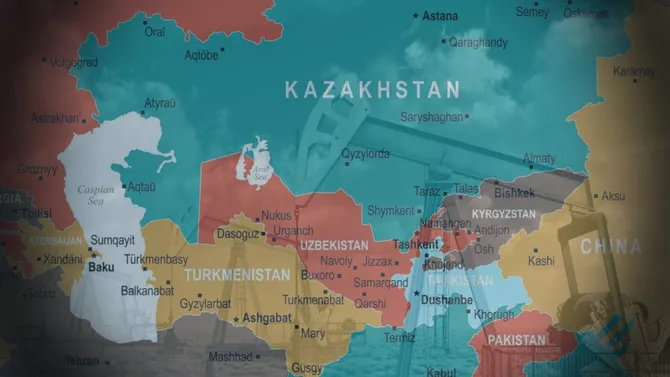
Photo credit: Trend
However, precisely because of these risks, collective mechanisms like C-6 matter. Institutional transparency, standardized procedures, and predictable rules reduce uncertainty. Regional solidarity can mitigate external shocks. Fragmented states remain vulnerable; coordinated states enhance resilience.
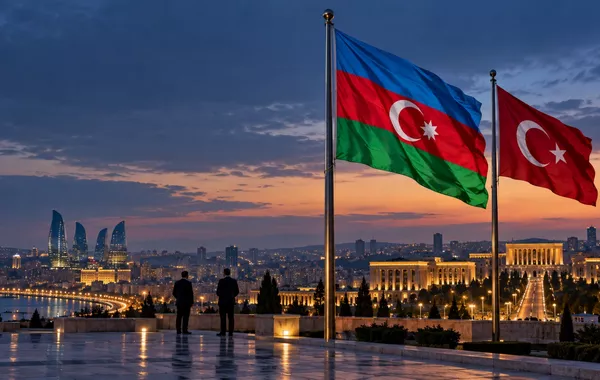
Another strategic dimension concerns expansion. Azerbaijan’s integration into the Central Asian dialogue is already altering regional dynamics. It demonstrates that geography is not destiny - political alignment and economic pragmatism can redefine regional boundaries.
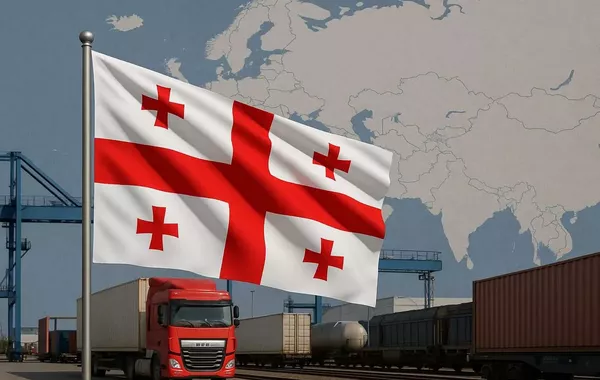
Over time, the tangible economic benefits of participation in transregional corridors may encourage deeper engagement from Georgia. Should political stabilization processes evolve favorably, Armenia could also find incentives to integrate into a broader cooperative framework. Expansion would not dilute the format; it would strengthen its economic gravity.
Such a development would effectively bridge the infrastructural gap between East and West, transforming the region into a cohesive macroeconomic space rather than a transit buffer zone.
The deeper lesson is clear: no state in Central Asia or the Caucasus can achieve sustainable development in isolation. Integration into regional systems is no longer optional - it is a structural necessity. Global supply chains are reorganizing. Energy markets are transitioning. Trade routes are diversifying. Regions that coordinate will benefit. Regions that hesitate risk marginalization.
The joint management of transcontinental corridors gives the region something it has historically lacked: a collective strategic voice. A unified logistical and energy platform enhances bargaining power in negotiations with global actors. It also strengthens internal stability by linking national growth to regional performance.
The C-6 format in Baku, therefore, is not just another diplomatic platform. It is a long-term integration mechanism. If pursued consistently - with institutional depth, regulatory alignment, environmental responsibility, and strategic patience - it could reposition Central Asia and the South Caucasus from peripheral actors to a self-sustaining axis of Eurasian connectivity.
The real test will not be declarations, but implementation. Infrastructure must be built. Laws must be harmonized. Energy grids must be interconnected. Environmental safeguards must be enforced. Political trust must be maintained.
If these steps are taken, C-6 will not merely facilitate cooperation. It will reshape the region’s geopolitical identity - turning geography into leverage, transit into power, and coordination into stability.